Algorithm Smackdown: Who Pushes Your Content to Strangers Faster?
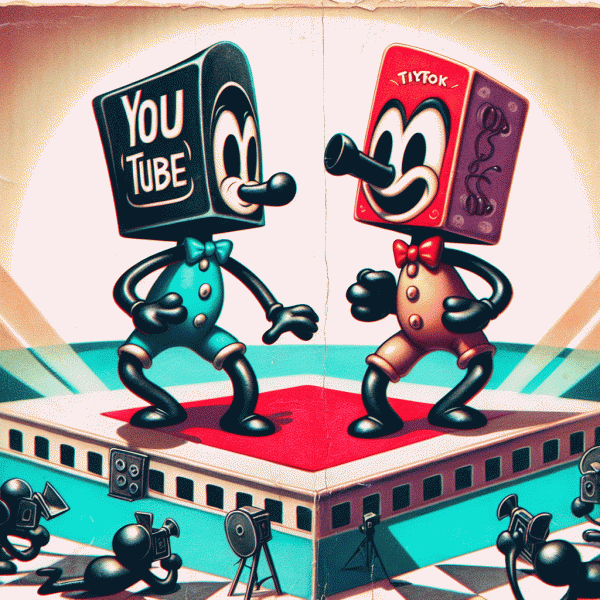
Think of both apps as two different talent scouts working a packed party. One darts around the room shoving new tracks into the ears of tiny crowds, watching which ones jump up and dance — the ones that make people move get promoted to bigger crowds in minutes. The other watches not just whether people dance, but how long the party keeps going; it rewards performances that keep people sticking around or clicking into other rooms. For creators that want strangers to see a clip fast, TikTok can feel like a chaotic sprint, while YouTube Shorts often runs a measured relay that values stamina. Understanding that sprint versus relay helps you decide how to craft each short so the platform you choose becomes a turbocharger, not just background noise.
Under the hood the models are different. TikTok excels at rapid hypothesis testing: it shows an initial small cohort lots of variants, then amplifies anything that sparks micro-engagement signals like rewatches, rapid likes, or punchy comments. The system thrives on novelty and immediate response. YouTube Shorts, by contrast, plugs each clip into a bigger session optimizer. It looks at watch duration, whether viewers then watch another video, and how your channel history predicts future session value. Thumbnails and titles matter more on Shorts because they feed into click-through metrics that affect the first pass. In plain terms: TikTok rewards attention hooks and replayability; Shorts rewards watch time and channel contribution to a longer viewing session.
Make the algorithms work for you with platform-smart tactics. For TikTok, build a violent 1–2 second hook, design loops so the ending invites a restart, pick trending sounds but remix them, and upload frequently so the testing engine has fuel. For Shorts, prioritize the first five seconds but also think like a TV programmer: tease a payoff that keeps viewers clicking into another video, use clear, searchable titles, and brand consistently so the system learns you are a dependable session-builder. On both platforms captions and pacing are nonnegotiable; humans and machines love predictable beats. Run quick experiments: post similar cuts to both platforms but tweak the opening seconds, then watch 24–48 hour retention curves to see which variable moves the needle.
If the goal is outrageous reach among strangers, do not treat these systems as identical black boxes. Use TikTok for explosive discovery and fast creative learning, then feed winners into Shorts with a version optimized for session value and metadata. Track three numbers like a detective: initial view velocity, retention after five seconds, and post-watch actions such as replay, follow, or clicking to another video. Iterate weekly, export top-performing timestamps, and make micro-edits rather than wholesale remakes. Play the algorithm chess game: bait the opponent with smart openings, then force the long game when the position favors you. The platform that pushes your clip to strangers faster depends on your creative tempo — sprint or relay — so design to match.
Audience Vibes: Where Do Buyers Hang Out (and For How Long)?
Think of audience vibes like two parties in the same neighborhood. One party moves fast, glitter everywhere, people bumping into each other and buying novelty items just because they saw them five seconds ago. The other party sits at a long table, passes around a plate of information, and makes decisions after a polite round of questions. On one platform you win attention by interrupting the scroll with a ridiculous hook; on the other you win trust by answering a question someone already typed into search. That difference is everything when your goal is to find buyers rather than just eyeballs.
Time on platform is not just about how long a single video runs. It is about session rhythm, content pathways, and intent. One platform is built for endless, snackable bites that loop and spark impulse behavior, so average watch time per clip can be short while session frequency is very high. The other inherits a search and subscription backbone, so individual clips might compete for attention but overall user sessions are longer and include deliberate plays of related videos. Translate this into creative moves: on the fast scroll side you must win in the first two seconds and make the call to action almost part of the joke; on the research side you should optimize titles, thumbnails, and descriptions to capture people who are already in problem solving mode.
Quick checklist for creative and timing so you can meet buyers where they actually hang out and for how long:
- 🆓 Timing: Post multiple short, trend aware clips daily to catch snack sessions; schedule how to convert that spike into a longer conversation.
- 🚀 Hook: Lead with a single, surprising idea in the first two seconds to maximize scroll stop on fast platforms.
- 💁 Intent: Use clear, searchable headlines and brief product demos on the research oriented platform to capture viewers who are ready to compare and decide.
Actionable plan: start each campaign with two simultaneous plays. For fast discovery, run playful, trend native creatives to generate high volume and capture top of funnel signals. For deeper intent, feed a subset of that audience into informative shorts that live in a search friendly environment, then retarget viewers with product proof and discount offers. Track micro conversions like saved content, link clicks, and repeat watches, not just raw views. If you are testing budget splits, consider more weight toward the fast platform for new product awareness and shift spend toward the research platform as purchase intent strengthens. Match the vibe of the creative to the vibe of the buyer and you will not only reach more people, you will reach the right people for longer stretches when it matters most.
Ad Dollars & Monetization: Where Your Budget Works Harder
Think of ad dollars like a team of stunt doubles: reach is the big leap, monetization is the landing that actually pays. Short-form platforms flip that relationship by offering wild reach for relatively small pockets of attention, but the way money flows is different. Broadly speaking, Shorts plugs into Google Ads and programmatic systems which can push CPMs higher in valuable verticals such as finance, tech, and lifestyle. TikTok often delivers lower CPMs per impression, but its retention and native engagement can drive a better effective cost per conversion when creative hooks are excellent. The smart move is to stop asking which is better in a vacuum and start asking which metric matters most for a given campaign: visibility, conversions, or creator income. That will decide where a budget will work hardest.
If the mission is conversions, think in layers. Run reach buys to seed interest and then funnel the engaged cohort into retargeting ads or longer YouTube content where conversion rates tend to rise. For brand awareness, high frequency on TikTok can produce viral lift at lower CPM, while YouTube can deliver incremental audience via search and suggested traffic that ages better. For creator partnerships, consider fixed-fee sponsorships and affiliate deals first, because platform ad revenue on short video can be volatile. Always measure eCPM, CPM, CPA, watch through rate, and incremental lift; small budget experiments across both platforms for 7 to 14 days will reveal which side scales more efficiently for your niche.
Quick wins to make each ad dollar stretch:
- 🚀 Test Fast: Run three creatives per campaign and pause the worst performer after 72 hours to reallocate budget to winners.
- 💥 Stack Funnels: Use short video for reach then retarget with intent signals via longer form or landing page ads for higher conversion rates.
- 🆓 Monetize Smart: Prioritize sponsorships and affiliate links where CPMs do not cover acquisition cost, and use platform ads for scale when CPMs translate into profitable conversions.
Bottom line: if outrageous reach is the prize, treat ad spend as a choreography between platforms rather than an either or. Allocate a core testing budget to both ecosystems, measure the same KPIs across platforms, and optimize toward the metric that actually moves the business needle. Run experiments with small budgets, set a four week measurement window, and expect to iterate. With a witty creative edge and disciplined measurement, ad dollars will not only buy views but create value that compounds over time.
Creator Tools & Trends: What Makes Posting Daily Actually Easy
Daily posting sounds exhausting until the right gadgets are in the kit. Modern creator tools remove the friction that used to live between idea and upload: one-tap trims, vertical aspect presets, auto-captions that do not require proofreading at midnight, and beat-sync that lines up cuts with music without manual math. Combine those with caption templates and you can turn a 60 second idea into five platform-ready clips in under 20 minutes.
Workflows beat inspiration when the goal is consistency. Batch ideas on a single morning, film in three lighting setups, then edit in a single session using repeatable templates. That way the heavy lifting is consolidated and the daily touch becomes a simple publish step. Use short scripts, a fixed intro hook, and a fixed outro CTA so every piece feels cohesive without extra creative bandwidth. The result is a channel that looks intentional and grows faster because the algorithm loves regularity.
Tools and trends come together in practical ways. Lean on smart features that reduce decision fatigue, then add a tiny trend radar to stay relevant. Try a lightweight stack that covers production, discovery, and scheduling:
- 🚀 Templates: Prebuilt visual and caption templates that speed edits and keep brand look consistent.
- 🤖 Automation: Auto-captions, sound-detection, and scheduled posting that turn a draft into live content while you sleep.
- 🔥 Trends: Built-in trend alerts for sounds and formats so you can adapt a viral hook in minutes.
Finally, make reach a feature, not a hope. Repurposing and intelligent posting windows push the same creative asset farther across YouTube Shorts and TikTok, and analytics let you amplify what actually works. Track retention and loop points, then double down on the 10 second moments that spark shares. If you want a plug and play start, grab a free seven day content kit that pairs templates, a three day recording plan, and a trend radar so daily posting becomes not a chore but a growth engine — quick to set up, and joyful to keep running.
Battle Plan: How to Test Both in 14 Days and Pick a Winner
Start with a clear mission: pick one primary goal for the 14 days and make every decision serve that metric. Are you testing raw reach, audience quality, or conversion into followers and clicks? Formulate a simple hypothesis for each platform, for example: "Shorter comedic hooks get more reach on TikTok while conversational hooks keep viewers on Shorts longer." Keep the creative seed identical across platforms where possible: same shot list, same main hook, and the same call to action. Control timing and frequency as much as the platforms allow so you test platform effect, not posting chaos.
Break the two weeks into tight phases so data moves fast but the plan stays nimble. Days 1 to 4 are discovery: launch three distinct concepts on both platforms and observe which hook gains initial traction. Days 5 to 9 are iteration: double down on the top one or two concepts, experiment with small edits like cropping and opening seconds, and try alternate captions and sounds. Days 10 to 12 are scaling: post the refined winners more often, and consider a small boost promotion if budget allows to test paid reach. Days 13 to 14 are evaluation: aggregate results and make your decision with clear, pre chosen metrics.
- 🚀 Schedule: Post at consistent times on both platforms and aim for one native upload per platform per day to build comparable samples.
- 🔥 Creative: Keep the core story the same, then swap micro elements like first 3 seconds, caption, and thumbnail style to see what moves the needle.
- 🆓 Metric: Track reach, average view duration, engagement rate, and follower growth daily so you can pivot fast.
Decide winners with a transparent scoring system. Normalize each metric to the top performing post on its platform, then apply weights that match your goal. Example weights: Reach 35%, Average view duration 30%, Engagement 20%, New followers 15%. For each platform compute a weighted score and compare. Require a minimum margin, for example a 10 percent gap, to call a decisive winner. If scores land close, look deeper at audience quality: more conversions, higher watch percentage, or better comment sentiment may be preferable even if raw reach is lower.
After day 14, do not treat the result as permanent truth. If one platform wins, double down with more creative variants, raise frequency, and repurpose winning cuts into fresh edits. If results are mixed, map specific formats to platforms rather than declaring an overall loser. Keep notes like a scientist, not a gambler: log hooks, timestamps, and caption variations so the next 14 day test is smarter. Execute fast, learn faster, and enjoy the small victories along the way.