Stop Guessing: These Signals Scream 'Boost Me' Across Every Platform
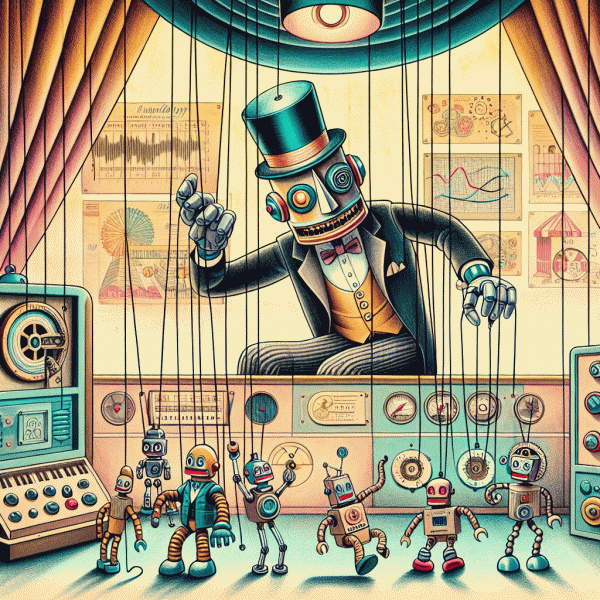
Think of signals as tiny neon signs the platform uses to decide whether your post gets stage time or a slow fade into the feed. These aren't cryptic rituals; they're human behaviors the algorithm can measure instantly. The faster people interact, the longer they stick around, and the more they bring others in, the louder that neon flashes. That's why your job isn't to guess the algorithm's mood — it's to engineer predictable, measurable reactions that map to platform priorities: attention retained, actions taken, and onward distribution.
Early engagement velocity: If your content gets clicks, likes, comments or shares in the first hour, it's flagged for amplification. Nail the thumbnail and the first three seconds so curiosity converts to action. Completion and dwell: Platforms reward content viewers actually finish or that keeps them in a session longer — not a fast scroll. Structure content for micro-cliffhangers and satisfying payoffs. Saves/bookmarks and profile visits: These are higher-value signals than passive likes; they scream "I want this later" and "I'm interested in the creator," which the system interprets as durable relevance. Shares and external clicks: When users send your stuff to others or click through, the algorithm treats it like a referral — pure growth fuel.
Want tactical plays that trigger those signals? Open with a bold, curiosity-driven line, then deliver a compact reward inside the platform (a one-minute gem, a quick checklist, a surprising stat). Prompt micro-actions: ask for a save if it's a resource, invite a short comment question, or encourage a quick duet/reply where applicable. Pin a reply that models the kind of conversation you want: thoughtful, short, and tag-friendly. Break long ideas into serial posts so return visits become habits. Repurpose the same core into a short clip + deeper post — the clip drives velocity, the deep post captures dwell and saves.
Measure like a scientist: pick one signal to optimize per experiment, give it 24–72 hours, then compare lift against a control. If early engagement wins, double down on thumbnail/hook variants; if saves rise, bake more checklist-style content. Small boosts in multiple signals compound — think tiny levers, not brute-force virality. Treat the algorithm like a picky friend with a predictable appetite: feed it clear signals, stop guessing, and you'll get the kind of attention that scales.
Content That Wins in 30 Seconds or Less (Hook, Hold, Reward)
Think of your first three seconds like a headline on a subway billboard: it must yank eyeballs from their phones and refuse to let go. Lead with an unexpected fact, a bold visual, or a tiny conflict that implies a payoff. Use a clear name for the problem you solve, then follow with a quick sensory cue — a striking image, a short sound, or a physical gesture — so the brain maps you to an emotion in an instant. Don't try to say everything; tease a tiny cognitive mismatch that makes people want to resolve it. If you can pair that with a number or timebound promise, you create a clock in the viewer's head that keeps them watching.
Holding attention is less about prose and more about choreography. Break expectations every 4–7 seconds: shift angle, add contrast, cut to a close-up, or introduce a mini twist that recontextualizes what came before. Use short, declarative sentences and let edits carry rhythm — a human brain loves pattern and surprise in equal measure. Anchor the middle with a compact promise that answers the viewer's implied question: Why should I care? Then deliver one tiny lesson or demonstration that proves you know the thing you claim to know. Empathy is your secret weapon here: mirror the viewer's thought, then outpace it with a clear, fast payoff.
The reward has to feel immediate and earned. Conclude with a single, satisfying payoff: a how-to gem you can repeat in 30 seconds, a visual reveal, or a practical next step the viewer can take right now. Make that reward tangible — a metric improvement, a quick shortcut, or an emotion like relief or delight — so the algorithm sees people watching to the end and the audience leaves with value. Finish with a simple directive that respects attention: a micro-CTA to save, try, or bookmark, phrased as utility rather than sales. When viewers feel smart or amused, they share and return, which is literally the behavior the platform amplifies.
Turn this into a playbook you can reuse. Try three tight formulas: Hook-Problem-Proof: open with a jolt, state the pain, show one clear result; Curiosity-Demo-Action: pose a weird question, demonstrate the fix, prompt a tiny test; Shock-Relief-Repeat: start with a surprise, resolve it fast, invite a ritual. Film with the end in mind, edit like you are trimming a diamond, and aim for shots that work without sound as well as with it. When you build content this way you are not gaming the system; you are feeding the algorithm what it really rewards: human attention that feels earned, shared, and savored.
The 2025 Engagement Stack: Saves, Shares, and the New 'Silent' Metrics
Think of engagement as a stack of increasingly private signals, not just a scoreboard of likes. The top layers are the obvious stuff like shares and comments, but the foundation this year is built from quieter behaviors: saves, replays, profile taps, link clicks, and return visits. These are the gestures that say "this mattered enough to come back to" or "this changed how a user will spend their next five minutes." Platforms now reward longevity and intent more than spectacle, so crafting content that invites a second look is no longer optional, it is strategic.
Make content that begs to be kept. Turn fleeting moments into reusable assets: carousels with cheat sheets, short video loops designed for rewatch, single-frame quotes that are perfect for saves, and downloadable templates that live in a user library. Sprinkle explicit micro-CTAs into the creative flow instead of relying on a final frame: a mid-post nudge that says Save this, a caption that frames the post as a future reference, or a two-second visual that signals "bookmark value." For shares, design for easy context transfer by adding a textual elevator pitch users can copy, or a highlighted pull quote that makes resharing feel like a helpful act rather than a broadcast.
Pay attention to the platform level signals that used to hide in analytics dashboards. The new silent metrics include save-to-impression ratio, rewatch rate, profile exploration percentage, and session-starts triggered by a post. Optimize for them by reducing friction: make link targets open in-app, use clear thumbnails that set correct expectations in the feed, and structure multi-part content into playlists or threads that encourage binge behavior. Also treat conversation depth as a currency: prompt for specific answers, invite users to tag someone who would benefit, and respond in ways that spark follow ups. Those reply chains become mini return loops the algorithm favors because they generate consecutive engagement without external distribution.
Operationalize this approach with a small experiment cadence. Audit three past posts to find the one with highest silent engagement and reverse engineer why it stuck. Then run a 2x2 test this week: version A adds a saveable asset, version B adds a share-first framing, each with identical creative. Measure saves per impression, rewatch rate, and return visitor percentage over seven days. Iterate based on the metric that most closely aligns with your business goal. Do this consistently and you will stop chasing ephemeral virality and start building content that the system treats like a bookmark in a readers life. The result is not magic, it is a machine learning friendly habit loop that rewards helpfulness and repeat attention.
Why Consistency Beats Virality—and How to Train the Algo to Expect You
Think of the algorithm as a very literal roommate who loves routine: when you show up the same way at the same time, it makes space for you in the living room and tells its friends to expect you. The fastest way to win that placement is not a fireworks display, it is a ritual. Pick a cadence you can reliably keep, a handful of content pillars you can return to, and a signature thumbnail and opener that become a visual alarm bell for returning viewers. Consistency creates expectation, and expectation creates the small, steady engagement signals that platforms reward: steady watch time, recurring viewers, and predictable click patterns. A predictable pattern is not boring when your ideas are good; it is memorable.
Translate habit into a stack of practical moves. First, define a fixed publishing window and stick to it for at least eight weeks so the system has time to learn. Second, build two templates: one for quick production and one for deeper pieces, both sharing the same visual and verbal DNA. Third, create a 10–20 second brand hook that appears at the same spot every time so returning users and the platform know what to expect. Use consistent metadata and 2–3 reliable tags or keywords that act like breadcrumbs. Finally, batch content and automate upload tasks so you do not miss the window you promised. Reliability is not creativity killed; it is creativity amplified by predictability.
Measure the right things and give patience a job. The metrics that signal a trained algorithm are not viral spikes but return rate, incremental reach, click-through stability, and audience retention curve. Track whether more users come back within seven days, whether your native thumbnails produce steady CTR, and whether average view duration nudges upward over successive posts. Run small experiments that change only one variable at a time: headline phrasing this week, thumbnail color next week, and posting time the following week. Expect slow compounding: a reliable channel often looks unimpressive for weeks and then accelerates because the platform now routes a tiny, consistent audience to every new piece.
Here is a simple 30-day action plan you can start tomorrow. Week 1: choose three pillars and create a brand hook plus two visual templates. Week 2: batch six pieces and schedule three posts on fixed days and times. Week 3: monitor retention and CTR after each post and respond to early commenters within the first hour. Week 4: iterate one variable, repeat, and extend the schedule. If you want a memorable line to stick with you, consider this: train for the marathon, not the meteor. The algorithm rewards a dependable performer; make yourself the act it expects to see every time it opens the door.
SEO, Social, and Email: Make the Algorithm Chase YOU with One Repurposing Loop
Think of the repurposing loop as the only cheat code the algorithm secretly respects. Start with one longform piece that answers a real query, then slice, tag, and amplify until every platform thinks that content is the new standard. The goal is not to spam the same text, but to create a constellation of microsignals that point back to the pillar: search engines see fresh relevance through onpage updates and backlinks, social feeds register repeated engagement patterns, and inboxes convert attention into retention. That synergy makes the algorithm chase you because you become a persistent, multi touch signal rather than a single noisy shout.
Here is the playbook you can run in an afternoon and iterate weekly. Step one: research a high intent topic and build a 1,500 to 2,500 word hub post with clear sections and timestamps. Step two: publish and optimize for SEO with a focused title, meta, schema and internal links. Step three: extract 8 to 12 micro assets — quote cards, 30 to 60 second videos, tweet threads, and two email snippets. Step four: schedule those assets across a 10 to 14 day loop so each micro asset feeds back into the pillar with links and updated context. Use UTM tags to track which micro moves traffic and which just creates engagement. Repeat with a new pillar every 4 to 6 weeks and watch the compound effect on organic visibility and list growth.
Small habits, big leverage. Make every asset do double duty: social posts should seed email subject lines, email subject lines should inspire blog subheads, and blog subheads should become video hooks. Metrics to watch are simple and ruthless: session duration for SEO quality, share and save counts for social resonance, and open plus reply rates for email vitality. When one metric spikes, recycle that format across other channels. Below are three fast repurposing moves to test on day one:
- 🚀 Clip: Turn a key paragraph into a 30 second vertical video with a single visual hook and end card that links back to the pillar.
- 🤖 Thread: Break the post into a 6 to 8 tweet thread where each tweet is a micro insight driving curiosity to the top line.
- 💬 Tease: Craft a 2 line email teaser that promises one tangible takeaway and links to the pillar for the full walkthrough.
Measure, iterate, and make the loop predictable enough that platforms can learn your signal pattern. If you want a place to run simple paid microtasks that help validate which micro formats move the needle, try trusted task platform to scale quick experiments without elaborate manpower. The algorithm loves repeatable behavior and hates surprises; if you are the surprise that shows up every week with better answers and smarter slices, it will start promoting your stuff without you begging for attention.