The Hidden Cast: Students, Night Owls, and Global Pros Keeping the Gigs Alive
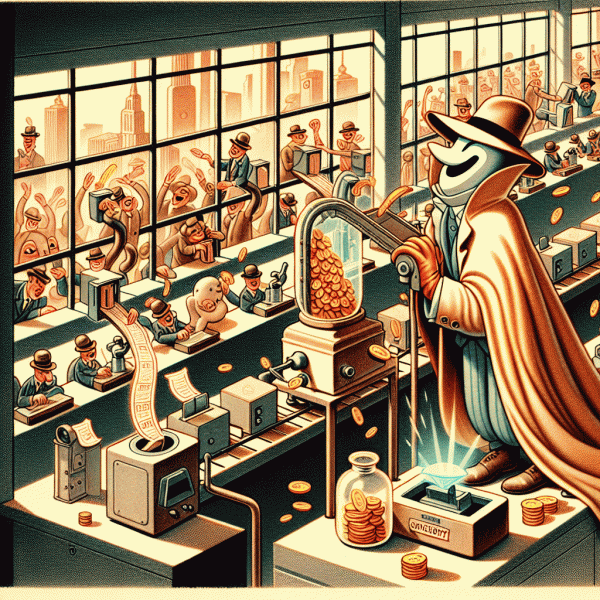
Peel back the app icons and you find a cast that feels more like a late-night study group, a global temp agency, and a side-hustle commune rolled into one. Students chip away between lectures and labs, treating micro-tasks like pocket-sized paychecks and résumé fodder. Night owls treat the hours when everyone else sleeps as prime time for quick wins—bids get accepted faster, and fewer people compete at 2 a.m. Then there are the global pros: multilingual, time-zone-savvy workers who treat micro-task platforms as low-friction salaried funnels, optimizing for steady volume rather than one-off virtuosity. Across the board the secret sauce is consistency and tiny optimizations: a three-minute response beats a polished reply that arrives three hours late.
Want actionable moves you can steal from them? Batch similar tasks so templates and muscle memory do the heavy lifting, and treat ratings like a running GPA—one bad grade can derail future opportunities. Time your bids: early morning in one timezone equals late night in another, so rotate schedules to always hit a less-crowded window. Keep payment expectations realistic and scale via repetition; a fast $1 task done 60 times is often more reliable than hunting for a single $60 score. If you prefer hands-on guides, try the platform that helps people earn cash from phone, then mirror top performers’ titles, thumbnails, and first-line pitches to increase click-throughs.
- 🆓 Student: Quick bursts between classes, high tolerance for low-value tasks, and a feedback loop that turns micro-gigs into study-money; prioritize short tasks and build stackable templates.
- 🐢 Nightowl: Peak performance in off-hours where competition thins; use auto-notifications and keep canned replies ready to snatch mid-night requests.
- 🚀 Pro: Global operators who specialize, bundle services, and focus on repeat clients; they price for reliability, offer extras, and chase volume with automated tracking.
If you are choosing whether to grind, hire, or simply dip a toe, think in terms of systems not scores: set a three-day rhythm, record what works, and double down only on repeatable wins. For students, that means turning classes into time blocks and aiming for predictable cash flow; for night owls, automate availability and protect sleep with set shutdown times; for pros, build processes that let your best work scale without more personal hours. The platforms reward the predictable and ruthlessly punish flukes—treat micro-tasks like a tiny business and you will start to see a steady line on the income graph instead of a roller coaster. Good luck, and remember: the people who look casual about making bank usually have a spreadsheet doing the heavy lifting.
Penny Jobs vs Power Tasks: What Really Moves the Needle on Pay
If you want to stop being a human vending machine for pennies, you have to look past the “click-and-done” grind and learn what actually drives take-home pay. It isn't glamourous: it's a mix of per-task payout, task time, acceptance rate, and how easily the work scales. The tiny multipliers—bonuses for accuracy, preferred-worker access, or qualification tests—are the secret sauce that converts many tiny gigs from soul-sapping busywork into a respectable hourly. Conversely, the biggest trap is volume without leverage: doing more of the same 10- to 30-second tasks only increases fatigue, not income.
Practical rule of thumb: treat every task like a price-per-minute calculation. If a task pays $0.05 and takes 20 seconds, you're theoretically at $9/hr before rejections and breaks—often less. Power tasks, by contrast, pay more per unit and reward marginal skill: think $1–$10 for a 5–20 minute task where experience, tools, or a quick qualification test multiply your effective rate to $20–$60+/hr. So don't chase raw volume; deliberately trade up by investing time in higher-earning qualifications, templates, or light automation that slashes your time per task without sacrificing quality.
- 🚀 Upskill: Learn one qualification test and you'll unlock a steady stream of higher-paying tasks—worth the upfront time.
- 🐢 Volume: Low-pay, high-volume gigs are stamina tests; use them sparingly and only to smooth gaps, not build your income.
- 💥 Bonuses: Track which requesters pay accuracy or speed bonuses—those tiny multipliers compound faster than you think.
Actionable playbook: triage new tasks for time-to-pay, batch similar tasks to reduce context switching, and keep a shortlist of high-quality requesters you can return to. Set a personal minimum effective rate and walk away from anything below it; use small scripts or text expanders to shave seconds, not ethics. Finally, log your real hourly for a week—if it's under your threshold, pivot: learn one new qualification, try a different niche, or sell your best processes as a micro-service. The folks making real money don't just click more—they click smarter.
Timing, Tiers, and Trust Scores: The Algorithms that Decide Your Take‑Home
Algorithms aren't neutral; they're the shift supervisors deciding which hits land in your queue. They favor recency, speed, and patterns: tasks posted in momentum bursts go to workers who answer fastest; repeat-good workers get 'first look' windows; geo and timezone clustering matter. Be tactical: map the platform's traffic cycle for a week, note when high-paying requesters drop batches (often mornings, post-lunch, late evening in the platform's dominant timezone), and show up first. Use saved searches, browser notifications, and lightning templates to shave seconds. A consistent five-minute headstart on a popular task multiplies your chances more than doubling your hourly rate—because the algorithm literally hands the task to whoever clicks fastest.
Tiers are the invisible paywalls. Some requesters gate their best jobs behind tests, qualification hunts, or historical acceptance requirements, creating a two-tier marketplace where 'newbie' pay is lower and high-earner pay sits behind badges. Don't whine—qualify. Spend a focused hour taking qualification tests, complete a handful of low-risk verification tasks, and treat those as investments, not losses. You're buying access to a different pay grade. Keep copies of your qualification confirmations and keep doing the same requesters' small tasks to cement your spot in their preferred pool. Over time those tiny, strategic choices flip you from the bottom rung into the consistently invited group.
Trust scores are literal currency. Platforms track acceptance rates, completion speed, time-to-first-action, error rates, and dispute history, then synthesize a reliability score requesters can filter by. Rejection history is poison; one ugly dispute can shave your visibility. Protect your track record: follow instructions to the letter, submit verifiable work (screenshots or timestamps if allowed), and flag ambiguous tasks before guessing. If you get a rejection, respond calmly, provide evidence, and appeal—polite professionalism often nudges requesters to redo approvals. Aim for a high-90s acceptance rate, and if your platform displays a score, treat it like a credit score—check it weekly, and correct anomalies fast.
Turn algorithm knowledge into a playbook: (1) niche up—pick categories where you can qualify fast and be the first in line; (2) schedule sprints during platform peaks and warm up with quick approvals to signal reliability; (3) diversify across requesters to avoid single-source risk; (4) stay honest—don't automate in ways that risk bans, and don't grind poor-quality work that invites rejections. Track earnings per requester and per hour; the gaps will show you which tiers are worth the chase. In short, the platforms reward patterns, not passion: be reliably fast, accurately consistent, and strategically visible, and the algorithm will stop treating you like a random temp and start treating you like a trusted contractor—which, in practice, is how people actually start making bank.
Why Brands Outsource to Clicks—and How That Shapes Your Earnings
Brands don't wake up and say, 'Let's pay strangers pennies for fun.' They outsource micro-work because it solves real headaches: elasticity (scale up for a product launch, scale down after), speed (thousands of human clicks in hours), and human nuance (machines mislabel sarcasm or niche slang). Click‑based labor turns a messy queue of tiny verification, tagging, and moderation tasks into a predictable, low-overhead operation. For marketers that means predictable timelines and lower per-unit labor costs compared with hiring temp contractors or overloading in-house teams. For you as a worker, that explains the steady trickle of low-complexity gigs—and why some gigs get funded better than others.
Most brands are buying three things when they buy clicks: labeled training data, content safety, and micro-feedback loops. Need clean training sets for a new image model? Send 100,000 images to the crowd. Worried about PR fallout from bad UGC? Outsource moderation by category. Want instant A/B data? Drop a thousand micro-surveys. Those are the tasks that get steady budgets and recurring work. Because projects are modular, brands favor platforms with large active pools and fast turnaround, which means platforms prioritize volume over high pay per item. That volume creates opportunities for fast, consistent earners who can move through hits accurately.
That setup directly shapes how much you can earn. Tasks that require little judgment — simple binary labels, click-through verifications — are plentiful but pay little. Specialized tasks — transcribing accents, niche language moderation, or expert audits — pay more but are rarer and gated by qualification tests. Geography, platform fees, and client budgets compress nominal rates, so your effective hourly rate often boils down to speed x accuracy x task selection. And don't ignore approval rates: a few rejections can kill access to better gigs. In short, volume + reliability unlocks the better-paying pipeline.
Ways to tilt the math in your favor: become a lightning-accurate worker for a narrow set of tasks so you qualify for weighted batches; pre-qualify by passing task tests and completing platform surveys; estimate and track your per-task time to avoid low-pay traps; group similar hits into focused sessions to reduce context-switching overhead; and keep a clean approval history so requesters share private tasks. Small investments — custom snippets for repeated text, a stopwatch, a note about quirky instructions — compound into much higher effective hourly pay. Treat accuracy like compound interest: small gains now pay off on every future batch.
Think of micro-task platforms as marketplaces rather than job boards: you're competing in price, speed, and trust. The folks 'making bank' didn't stumble into it — they optimized task mix, guarded approval rates, and specialized where budgets exist. If you're strategic about where you spend your time (and willing to skip the worst batches), you can turn scattered clicks into a reliable side income or a surprisingly lucrative niche. Start by auditing your last week: which tasks paid best per minute? Double down, automate the tedious bits, and treat reputation like currency.
Steal These Playbooks: 9 Simple Tweaks to Boost Your Hourly Fast
Think of these as pocket-sized playbooks you can steal and run with between coffee breaks. After poking around the platforms and watching the people who actually make decent money, the pattern was not muscle or luck but steady, repeatable tweaks. Implement a handful of them and you will see your effective hourly rate climb without needing a miracle task or a six-figure client.
1) Be surgical about what you accept. Develop a quick filter checklist: estimated time, pay per task, clarity of instructions, and requester history. If a task takes longer than its payout just move on. 2) Capture and reuse: build short templates, canned replies, and text expanders for the common bits of work you do. You will shave seconds off every task, and seconds become dollars fast. 3) Batch and time-box: group similar tasks into 20–40 minute sprints and use a simple timer. Batching reduces context switching and lifts throughput by a surprising margin.
4) Carve out a niche and own it. Requesters favor repeatable specialists (data-labeling for receipts, short-transcription accuracy, micro-audits, etc.). Specialization lets you command higher per-task rates and faster approvals. 5) Protect your approval rate like it is currency: double-check one sample before submitting a batch, keep a micro-quality checklist, and respond politely to feedback. A high approval rate unlocks better tasks and bonuses. 6) Automate the automatable: use browser macros, bulk CSV uploads, and lightweight scripts where allowed to remove repetitive clicks and copy-paste work.
7) Don’t put all your eggs on one platform. Cross-post smartly so you always have a warm pipeline of tasks. 8) Measure three simple metrics every day: tasks completed, average payoff per task, and time spent. Track a rolling effective hourly rate and set small improvement targets each week. Numbers tell you which tweak is actually working. 9) Scale ethically: once you have a repeatable process, template it. Create a one-page SOP to maintain quality while increasing volume. If platform rules permit, partner with other trusted freelancers for overflow; if not, use your SOP to do more yourself without sacrificing quality.
Here are three bite-sized combos to try now:
- 🚀 Speed: Use templates + text expansion to cut per-task time by 20%.
- 🤖 Automation: Add a macro for routine clicks and free up mental bandwidth.
- 💥 Niche: Focus on a narrow task type for repeat work and higher pay.