Bots, Bribes, and Boosts: How the Algorithm Gets Hooked
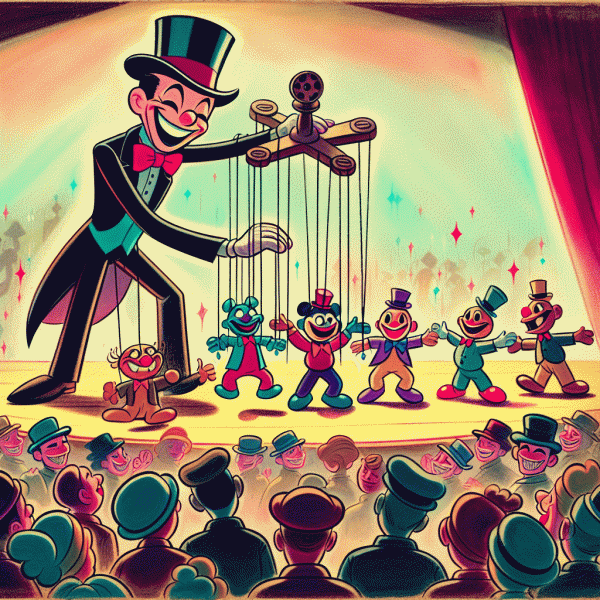
There is a whole cottage industry built to trick attention metrics into thinking something is hotter than it really is. Bots churn out likes by the thousand, influencers quietly slip cash for emoji-rich comments, and paid boosts shove signals into the feeds that matter. Algorithms love simple, repeatable cues: sudden spikes in engagement, high comment counts, and rapid resharing. Once those cues are present, the machine extrapolates popularity and rewards the content with more visibility. The result is a loop where manufactured momentum looks a lot like genuine interest, and that illusion can be very profitable for someone who knows how to feed the machine.
Underneath the spectacle there are clear mechanical levers. Engagement velocity matters more than volume alone: a thousand interactions in an hour tells a different story than a thousand over a week. Networks of faux accounts create pattern noise that is easy for naive filters to mistake for organic behavior, while coordinated comment farms add credibility by mimicking conversational rhythm. Platforms weigh a mixture of signals — likes, comments, shares, dwell time and follower interactions — so a tactician only needs to nudge a few of those levers to get amplified. That is why inexpensive tactics can outperform honest content in the short term: they exploit predictable heuristics rather than trying to earn attention.
If you want to spot or resist these tricks, try simple checks before you amplify something or hand over budget.
- 🤖 Audit: Look for clusters of new accounts, identical profile patterns, or comment copy/paste behavior as signals of automation.
- 💥 Timing: Check engagement distribution; authentic interest is staggered, manufactured engagement often arrives in tight bursts.
- 👥 Quality: Sample a set of commenters and likers; real users show diverse histories and interactions, fakes do not.
None of this is to say the system is hopeless. The economic incentives that make paid engagement effective also create vulnerabilities and noise that savvy creators and platforms can exploit for good. Brands that prioritize community, consistent storytelling, and retention metrics will outlast quick boosts, because genuine attention compounds differently than purchased signals. If you run campaigns, pair short-term experiments with long-term measures like returning viewers, conversion by cohort, and organic referral growth. If you consume content, learn to value context over glitter: authentic conversation will usually show up in patterns that are a little messier and far more interesting than a mirrored echo chamber.
Why Manufactured Buzz Triggers Real Humans to Care
Human attention is a scarce commodity and our brains are lazy by design: rather than evaluate every claim, people use quick cues to decide what deserves time and emotion. Manufactured buzz exploits those shortcuts — social proof, repetition, and emotional framing — so something that started as a tiny, paid spark looks like a wildfire. When enough profiles post the same compliment, when the same meme shows up across feeds, or when a tiny chorus of likes and shares swells, the brain tags that content as worth caring about. That tagging is not rational evaluation; it is a fast, instinctive hand-raise that says, "Others care, so maybe I should too."
Marketers who know this do not need truth to win attention; they need patterns. They stitch together timing, tone, and distribution until the sensory experience mimics authenticity. Platforms then do the rest: algorithms favor signals over substance, amplifying whatever appears to be trending. The result is predictable: people feel FOMO, curiosity, or outrage — emotions that drive clicks and conversions before skepticism can catch up. That is the engine behind why manufactured buzz triggers real humans to care.
Here are tidy patterns to watch for and why they work:
- 🔥 Scarcity: A sudden "limited time" rush makes people prioritize acting now rather than checking facts.
- 💬 Consensus: Identical praise across accounts convinces the brain that many independent observers agree.
- 🚀 Recency: Rapid, clustered activity creates a false sense of momentum and relevance.
Knowing the mechanics gives you power. Platforms reward engagement, not honesty, so paid engagement rigs the scoreboard and human attention follows the scoreboard. To spot manufactured buzz, look for unnatural rhythms: lots of shares with little original commentary, identical language across diverse accounts, or sudden spikes without a sensible event behind them. If you want real resources when vetting offers or trends, consult curated lists and investigations instead of trusting virality alone; for example, check trustworthy summaries like legit earning websites 2025 rather than a single hyped post.
Finally, act deliberately. Before you share or buy into a viral claim, pause and run three quick checks: Source: who benefits from the buzz? Signal quality: are the endorsements varied and substantive? Evidence: is there verifiable proof beyond hype? These small habits dismantle the manufactured momentum and return ownership of attention to actual humans. In the attention economy, skepticism is the most profitable defense.
The Momentum Math: Small Spends, Big Social Proof
Think of momentum as social physics: a tiny shove in the right place turns into a rolling snowball that algorithms can't ignore. When you pay to seed engagement—ten comments here, fifty boosts there—you aren't buying permanence, you're buying visibility long enough for organic behaviors to kick in. Platforms prioritize posts that show early traction; that early traction signals relevance, and relevance begets reach. The math is rude in its simplicity: small, well-targeted injections of attention lower the friction for strangers to click, comment, and follow, and each micro-action multiplies the odds that someone else will hop on board.
Want a practical starter kit? Consider three micro-strategies you can deploy in one campaign to manufacture readable momentum without blowing the budget.
- 🆓 Seeding: Amplify your best-performing organic post for 48–72 hours to create initial signals—likes, saves, and comments—so the algorithm notices.
- 🚀 Boosting: Put a small daily spend behind posts that already get reactions; the paid lift nudges them into new feeds where organic engagement usually follows.
- 💁 Social Proof: Use testimonials and influencer micro-engagements to create visible cues (shares, tagged friends) that persuade onlookers to act.
Numbers matter, and here's a tight, actionable blueprint: pick a $100–$300 window per campaign and split it across seeding (40%), boosting (40%), and content variations (20%). Seed for 48–72 hours to gather early comments, then switch the highest-converting creative into a 5–7 day boost. Target narrow audiences for seeding (interest + lookalike at 0.5–1%) and broaden slightly for boosting. Measure the lift in engagement rate and CPM, but don't worship impressions—track downstream behavior like link clicks, saves, and conversions. If a post lifts engagement by 2–3x in the first two days, scale it; if not, pull budget and iterate. Small experiments with clear stop-losses are your friend.
Finally, embrace the dark side responsibly: manufactured momentum is powerful but fragile. Over-reliance on paid signals kills long-term trust if your product or message can't hold up. Use these tactics to amplify genuinely valuable content, diversify signals so you're not buying a single metric, and always close the loop with honest creative and follow-through. Done right, small spends deliver disproportionate social proof; done wrong, they're just expensive illusions. Play smart, test fast, and let momentum work in your favor.
Risky Business: Red Flags, Consequences, and Damage Control
Paid engagement can look like magic: sudden follower spikes, dozens of sparkling comments, and click-throughs that make your dashboards glow. Those same glimmers, however, are where the trouble usually starts. Watch for the telltale red flags — engagement that spikes overnight without corresponding traffic or conversions; comments that repeat the same line or come from accounts with no history; followers concentrated in a country you never targeted; reused images or identical captions across multiple profiles; and influencers who can't or won't provide analytics access. Another subtle sign is a mismatch between audience behavior and brand voice: if the crowd singing your praises wouldn't normally buy what you sell, you're probably buying applause, not attention.
Ignore these signs and the fallout is more than an awkward PR moment. Short-term metrics may rise, but trust erodes faster. Platforms may flag or demote your content for inorganic activity, search engines can penalize link schemes, and ad accounts or payment partners can freeze or close. Worse, regulatory bodies are increasingly interested in undisclosed paid relationships — that's a legal headache with fines and mandated corrections. Internally, the cost is equally real: customer churn, damaged partner relationships, and the long, expensive task of rebuilding credibility. In short: a cheap boost can become an expensive liability.
Start damage control like a pro: first, pause suspect campaigns and suspend payments until you've verified deliverables. Preserve evidence — screenshots, timestamps, contracts — then run a quick analytics audit (UTM tracking, referral sources, session quality, conversion rates) to separate noise from signal. Engage the influencer or vendor calmly and ask for raw metrics and explanations; if answers are unsatisfactory, terminate and document the decision. Prepare a concise public message that acknowledges the issue, explains steps taken, and offers remediation where appropriate — don't bury the apology in jargon. Notify your legal and compliance teams early if there's any hint of regulatory exposure, and be ready to work with platforms to remove fraudulent activity.
Finally, treat this as a prevention opportunity. Rewrite contracts to include authenticity clauses, clear deliverables, and clawbacks for fraudulent behavior; require transparent reporting and access to raw data. Shift some budget into community-building and creator partnerships that reward long-term performance rather than instant vanity metrics. Invest in basic monitoring tools and a small internal playbook so suspicious patterns are spotted and stopped fast. Test campaigns at low spend to validate partners, and measure value by customer lifetime and retention, not just one-day engagement spikes. The quick hit still seduces — fast lifts are fun — but remember: reputation is your brand's compound interest, and it's much easier to preserve than to rebuild.
Play It Smart: Ways to Leverage Paid Signals Without Losing Trust
Paid signals are powerful because they move fast and talk loud, but that volume can drown out trust if used like a megaphone for trickery. The smart play is to treat paid engagement as a precision tool rather than a blunt instrument: aim for surgical boosts that help real people discover real value, not cheap stunts that game the numbers. Start by mapping where paid is most useful in your funnel and where organic trust matters most, then let that map guide every dollar and creative decision.
Transparency is not optional. Always disclose promoted posts, sponsorships, and affiliate links in plain sight and in the user language. Match the creative tone of your paid placements to the native environment so the content reads like a helpful suggestion rather than a disguised ad. Use clear calls to action that set accurate expectations, for example a short line that says this content is sponsored and explains why the audience should care. This reduces backlash, improves long term brand recall, and builds an audience that understands what you are doing and why.
Use paid spend to seed conversations and amplify genuine social proof, not to fabricate it. Run small, targeted boosts on authentic user generated content that already resonates, and promote honest customer stories rather than scripted testimonials. Invest in micro partnerships and multi-post relationships with creators who actually use your product; their followings may be smaller but their trust is higher, and authenticity scales when paid support is used to increase reach, not to manufacture applause. Measure success by retention, referral lift, and sentiment change, not by raw likes or follower counts.
Be ruthless about testing and retiring tactics that erode credibility. A/B test creatives and copy against trust metrics such as comment quality, negative feedback rate, and sentiment analysis. Funnel metrics matter: track click quality, time on page, conversion intent, and downstream behaviors like repeat visits. If a paid tactic drives initial engagement but increases unfollows or complaint rates, stop it immediately. Use short test windows, small budgets, and clear escalation rules so you scale only what improves both performance and reputation.
Put guardrails in place: a simple checklist could require documented disclosures, a ban on buying likes or comments, a minimum creator relationship length, and an audit trail for any paid engagement campaign. Invest the same effort in creative that earns attention as you spend on targeting and bidding. Finally, treat paid signals as one ingredient in a broader trust recipe — amplify honest voices, track the right outcomes, and be willing to lose a short term win if it threatens long term credibility. Play it smart and you will have paid engagement that wins customers and keeps them.