Bots, bribes, and boosts: what you really pay for
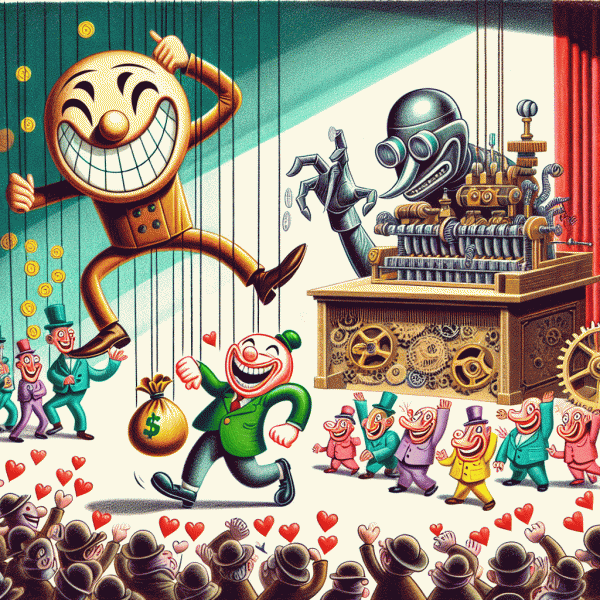
When brands reach for the quick fix, they often imagine a crowd cheering on their posts. In practice, what you buy is rarely applause — it's signal fodder: bursts of likes that nudge platforms into routing your content to more feeds, a handful of comments to satisfy an engagement quota, or a flotilla of throwaway followers whose only talent is sitting still. These transactions buy attention as a mechanical input, not as genuine affinity. That distinction matters because algorithms reward interaction, not authenticity, and the cheapest interactions distort the feedback loop. Instead of planting seeds, you're feeding the algorithm short-term sugar; the plant that grows from that sugar is usually small, fragile, and surprisingly expensive to keep alive.
Bots soak up small budgets and pretend to be an audience; bribes—micro-payments to influencers or comment farms—create textured noise that reads like interest; boosts pay the platform to show your post to real people but with the caveat that visibility doesn't equal conversion. Each tactic gives you a different kind of currency. The problem is that currencies don't all convert the same way at the business end. You can measure success in impressions and still fail at revenue, retention, or reputation. There's also a risk profile: platforms are wiser than they were, and sudden inorganic spikes trigger reviews, shadowbans, or outright removals. The practical takeaway is to treat paid engagement like fire: useful to ignite controlled growth, disastrous if left to burn the forest.
Want a quick map of what you're actually paying for and how to judge the purchase? Here are three typical receipts that land in your account:
- 🤖 Bots: Instant volume without depth — great for vanity metrics, terrible for anything requiring human attention. Tip: track retention and interaction rate from new accounts to spot them.
- 💁 Bribes: Curated-looking activity that tries to mimic interest — may lift social proof but often collapses under scrutiny. Tip: audit commenters' profiles and timeline authenticity.
- 🚀 Boosts: Paid distribution to real users that can scale momentum — effectiveness depends on targeting and creative, not just spend. Tip: A/B ads with clear conversion pixels before scaling.
If you're tempted to test the dark toolbox, do it like a scientist: start with a hypothesis, spend a controlled test budget, and measure outcomes that matter to your funnel (clicks, leads, purchases, watch time). Insist on durable signals — repeat visits, direct messages, email signups — not just a 24-hour spike in likes. Maintain documentation: vendor source, audience overlap, creative used, and conversion attribution. And remember the reputational currency: an audience that learned to distrust you is far costlier than one you never reached. Paid engagement can be a clever accelerator when used surgically; used as a crutch, it becomes an expensive lie that'll cost you credibility and a very messy cleanup bill.
The vanity metric trap that drains budgets
You'll know you're in the vanity metric trap when the dashboard is full of green ticks but your inbox is empty. Paid engagement campaigns are brilliant at manufacturing signals — likes, shares, impressions — because ad platforms optimize for what they can measure quickly. That creates a perverse incentive: algorithms push cheap, attention-snatching interactions at the lowest cost, not the ones that move your business. The result looks impressive in weekly reports but behaves like a perfume sample — it smells nice in the moment and then evaporates. Worse, these metrics compound: more engagement gets you more reach, which gets you more low-value engagement, which eats budget and distracts your team from real outcomes. If your paid spend feels like throwing confetti into a black hole, that's the trap.
Symptoms are easy to spot if you squint at the right columns. Sky-high impressions with flat conversion curves, a click-through rate that spikes but no lift in trial starts, and audiences that respond to creative signals but never actually buy. Attribution makes it worse: view-through credit and last-click rules can make a useless post look like a miracle worker. Bot traffic, incentivized engagement farms, and mismatched creative-to-audience pairings all show up as glossy metrics that do nothing for LTV. It's tempting to celebrate virality, but virality without intent is just noise — like applause after a magic trick that never sells the trick, only the applause.
Fixing it starts with intent and measurement, not adtech hope. First, pick a single outcome that actually pays the bills — signups with validated emails, completed purchases, demo requests — and make that your campaign's north star. Second, shift from vanity bidding (likes, impressions) to outcomes: test conversion bidding, value bidding, or lift-testing with a control group. Third, force a creative-to-metric alignment: if you want signups, optimize for the micro-conversion nearest the signup (video view-to-form submit, click-to-cart). Implement frequency caps, remove low-quality placements, and bake in routine creative refreshes so you're not amplifying stale noise. Finally, always compute marginal return: what is the incremental cost per real action generated by this tactic? If it's higher than the value of that action, stop immediately.
Here's a short action plan you can use today: First: map the funnel and pick a primary metric that ties to revenue. Second: run a short holdout experiment to measure lift rather than trusting platform attribution. Third: set kill rules for vanity signals ('likes' can't justify spend above X CPA). Fourth: optimize creatives for the nearest real action and calculate marginal CPA by audience. Fifth: reallocate wasted budget into experiments that chase learning, not vanity. Think of engagement as dessert — delightful, shareable, good for brand seasoning — but remember: desserts don't replace dinner. Spend where meals are cooked.
When fake clicks ignite real growth
Paid clicks that come from farms or automated scripts feel like cheating, but they do one undeniable thing: they prime attention. A handful of early clicks can lift your CTR, nudge recommendation engines, and coax a skeptical feed into giving your creative a second look. That first artificial nudge mimics what real users provide — curiosity, a micro-engagement, the tiny nudge an algorithm needs to promote content into meaningful visibility. Think of it as lighting a match in a room full of tinder: the fire you start may be disproportionate to the initial spark, and suddenly you have organic embers spreading.
Why does this work? Platforms behave like herd animals: when a piece of content shows early promise, it gets fed more impressions, which produces more organic interaction, which feeds the loop again. Algorithms reward momentum, not provenance. So the metric that matters is not whether clicks are synthetic, but whether they change the distribution of attention long enough for genuine users to notice and react. That's also the dark side: if the creative, offering, or landing page can't convert real humans, the traffic burns out and the temporary lift collapses back into nothing.
There's a small playbook for getting the upside while limiting the fallout. Start small, measure ruthlessly, and design your funnel to capture the moment.
- 🆓 Seed: Use tiny, controlled buys to generate the first wave of impressions so your content gets an algorithmic look.
- 🚀 Hook: Have a one-sentence value proposition and a frictionless path — if humans aren't quickly convinced, synthetic momentum dies fast.
- 🤖 Scan: Continuously monitor quality signals (time on page, repeat visits, conversion rates) and kill sources that deliver clicks with no downstream value.
Operationally, that means pairing any aggressive amplification with safeguards: IP and device filtering, strict creative rotations to avoid ad fatigue, and server-side checks to separate human behavior from noise. Pair the paid nudge with retargeting and social proof layers — real comments, user testimonials, and UGC placements — so the story your ad starts is continued by authentic voices. A/B test landing pages, not just headlines; you'll find small shifts in copy or a single social proof block often turns fake curiosity into actual signups or sales.
There's no moral shortcut here: misuse the technique and you'll waste budget and your brand's reputation, but used with discipline it can be a pragmatic growth hack. Start in a sandbox, measure the lift in downstream KPIs, and keep the experiment duration short. If the faux click spark gives you a real ember — a steady stream of real visitors, shares, or conversions — stoke the fire with genuine community and product work. That's how a sketchy ignition turns into sustainable growth instead of a momentary blaze.
The ethical gray zone and how to stay on the right side
Paid engagement sits in a deliciously murky middle: it can supercharge reach and convert like a charm, but it also tempts shortcuts that smell bad to humans and regulators alike. The ethical gray zone isn't just about whether something is legal — it's about whether your audience feels duped the moment they realize a recommendation had strings attached. Think fake followers, ghostwritten endorsements, and reviews written by someone who's never used the product. Those tactics might spike numbers, but they erode trust, and trust pays the long-term bills.
The practical antidote is simple: swap clever tricks for clear rules. Start with three non-negotiables that keep you on the right side of both law and karma:
- 🆓 Transparency: Disclose paid relationships plainly (not buried in a wall of emojis). Use clear wording like "Sponsored" or "Paid partnership" and put it where users will actually see it.
- 🐢 Patience: Favor slow-burn trust-building over flashy one-off gigs. Test partnerships, watch for authenticity, and avoid partners who insist on pretending something is organic.
- 🚀 Value: Make paid content useful or entertaining. If it helps someone, they won't resent the tag — they'll remember you.
Operational steps are where the rubber meets the road: write simple disclosure clauses into contracts, require creators to show raw footage or product use, and insist on metrics that measure sentiment, not just clicks. Keep a public record of affiliate relationships or an easily accessible disclosure page. When vetting creators, do a quick audit: are their followers real? Do their past sponsored posts spark conversation or tumbleweed? If you detect fake engagement, walk.
In the end, playing the long game is both ethical and effective. Algorithms gift short-term boosts, but human judgment rewards consistency. If you're tempted to test a gray-area tactic, ask yourself: 'Would I be OK saying this on a live feed with my name attached?' If the answer is no, don't do it. Do the right thing, do it clearly, and the payoff will be a reputation that no bot can buy.
A smarter playbook: blend paid sparks with organic fire
Paid attention can feel like rocket fuel: quick lift, loud noise, and a bloom of metrics that make teams giddy. That is the spark. The smarter play is to treat paid as a controlled ignition rather than a replacement for heat. Use short, surgical bursts of paid promotion to expose a handful of creative ideas, formats, and audience slices to real humans, then watch which ones catch and smolder. Those survivors become the organic fire you tend to with customer care, community replies, and repeatable content formats.
Start with experiments that are simple to scale. Run three variations of the same story for a few days with tiny budgets, measure attention signals like watch time and meaningful replies, then promote winners to a broader audience. Use paid to seed collaborations too: bring on micro creators and test a few micro narratives, then amplify the best performing pieces through owned channels. If you need a quick vendor shortlist to find reliable short-term talent, check a curated list of top-rated gig platforms and then vet by portfolio and response time rather than price alone.
Fix your measurement before you pour the budget. Vanity metrics will lure you into bad decisions, so replace raw counts with quality indicators: completion rate, saves, DM conversations, newsletter signups, repeat visits. Adopt a "test small, scale fast" budget rule—allocate a modest share for exploration for 3 to 7 days, then shift 70 to 90 percent of the remaining spend to proven winners. Add frequency caps to avoid ad fatigue, retarget engaged viewers with different messaging, and use lookalikes sparingly to expand while preserving audience warmth.
Operationalize the blend with a simple playbook: create a queue of short experiments, tag content by hypothesis and source, and set rapid decision gates. Repurpose paid creatives into organic-friendly assets: clip them into stories, pin them, and turn enthusiastic comments into UGC prompts. Maintain ethical guardrails to avoid manipulative tactics and to protect long term trust, because the dark side of quick fixes is reputational decay. The real secret is less about tricking systems and more about teaching people to care; when paid sparks are used to discover what genuinely resonates, organic fire grows on its own.