Bots, Bribes, and Boosts: Inside the Attention Black Market
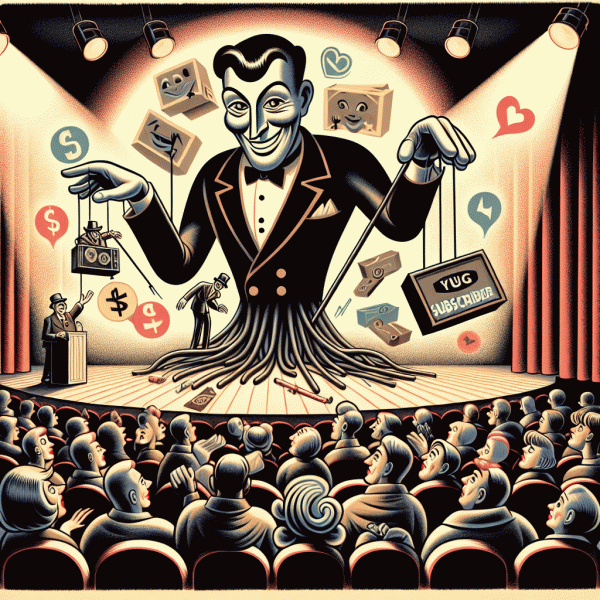
Think of the attention black market as a bazaar where attention is a commodity and ethics are negotiable. On one side you have armies of automated accounts that like, follow, and amplify on cue; on the other are human-run engagement farms that trade comments and saves like currency. Between them hover consultants selling “growth packages” that bundle bots, follow-for-follow schemes, and influence-by-the-hour. The whole ecosystem operates with a simple promise: instead of earning eyeballs organically, you buy a head start. The result looks the same on the surface—more followers, more likes—but underneath the shine is cardboard support that collapses when you need real human loyalty.
Mechanically this market runs on volume, automation, and incentives. Bots are cheap to spin up and easy to direct at a post that needs a boost; engagement pods coordinate large groups to comment and share in time-sensitive bursts; mercenary commenters write generic praise for hire. Platforms try to detect and remove the worst offenders, but the cat-and-mouse game keeps evolving. Importantly, this paragraph is not a how-to manual. The useful takeaway is to understand the signals these services produce: unnatural growth curves, sudden spikes at odd hours, and engagement that lacks depth or variability. Spotting those signals is a defensive skill, not an invitation to emulate the behavior.
Why does this shadow economy work? Because humans and algorithms alike are biased toward popularity. A post with more engagement gets served more widely, and people are more likely to click what others appear to value. Purchased attention exploits those instincts to manufacture social proof. For businesses and creators, it can feel like a fast ticket to visibility, and sometimes it pays short-term dividends. But there are real costs: wasted budgets, tarnished credibility when fakery is exposed, and platform penalties that can erase months of effort. Think of bought engagement as a sugar high for your brand—briefly energizing but ultimately hollow and potentially harmful.
So what do you do instead? First, adopt simple auditing habits: track follower growth over time, compare likes to saves and shares, and watch for comment patterns that repeat verbatim. Ask partners for transparent metrics like reach quality and audience demographics rather than vanity numbers. Invest a fraction of the budget you might spend on a fake-boost into micro-influencers who have tight, measurable communities, or into targeted ads that trade immediacy for accountability. Finally, treat community as a compound interest game—slow, steady engagement and helpful content builds trust that purchased metrics never will. These moves are less glamorous in the short run, but they protect reputation and scale real attention that sticks.
Why Fake Signals Trick Real Humans (and Algorithms) Every Time
Fake signals are the glitter that makes low-quality behavior look like high demand: purchased likes, engineered comments, rented followers and artificially boosted view counts. The trick is not raw numbers but context: a steady-looking curve, a burst of activity at the right moment, or a handful of accounts that seem influential enough to lend credibility. These cues tap into the brain s social wiring. When people see activity they infer value; when algorithms see activity they infer relevance. Both systems prefer shortcuts because evaluating substance every time would be expensive and slow. That gap between what looks popular and what actually matters is the playground for paid engagement, and its power comes from combining speed, repetition and presentation.
Machines are surprisingly gullible for the same reason humans are: they were trained to reward signals that correlated with good outcomes in the past. Recommendation engines and ranking models use engagement as a proxy for quality because clicks, watch time and shares historically meant delight or usefulness. Paid engagement injects false positives into that training loop. A manufactured spike in velocity can push a piece of content into exploration buckets, exposing it to new audiences and triggering exponential amplification. Sophisticated vendors mimic organic properties like timing distribution, device variety and regional spread so anomaly detectors struggle. The algorithm cannot read intent, only behavior, so manufactured behavior is treated as a genuine cue unless systems are explicitly trained to spot provenance.
Human attention is even easier to exploit. Our brains use heuristics: a crowded restaurant looks better, a long line signals value, and a high follower count implies authority. Social proof shortcuts reduce cognitive load, so people follow what looks popular rather than analyze underlying quality. Badges like trending labels, visible follower milestones and highlighted comments confer legitimacy. Repeated exposure breeds familiarity, which we mistake for reliability, and small micro commitments such as liking or saving a post increase the chance of further action through consistency bias. Add scarcity messaging or an emotionally framed testimonial and you have a conversion engine that leverages feeling more than reason. It is simple, persuasive and therefore highly effective.
Look beyond raw totals: examine engagement rate relative to follower base, evaluate comment depth and linguistic variety, and check account vintage and posting history for patterns that indicate automation. Favor quality signals: time on content, return visits, direct inquiries and conversion rates reveal substance that bought likes cannot fake easily. Practical steps include sampling commenter profiles, tracking the timing of interactions for unnatural clustering, demanding receipts from vendors and running small controlled experiments to compare paid spikes with organic growth over time. Platforms should surface provenance information and label paid boosts, while creators should prioritize community-building investments that create durable value. Those tactics shrink the payoff of paid engagement and make authenticity the more sustainable path.
ROI or R.I.P.? How to Spot When Paid Hype Actually Pays
Paid campaigns are great at looking busy: flashy creative, a spike in impressions, a rush of likes and comments. That bustle feels like progress, but real payment success hides in the quieter corners—incremental customers, repeat buyers and margin-positive orders. The first test is always simple and surgical: set a baseline, carve out a holdout (even a small geo or audience slice), and measure the difference. If the paid activity can't beat that holdout on revenue or meaningful conversion lift, it's hype, not ROI. Think of vanity metrics as confetti; they're fun in the moment but don't keep the lights on.
Stop obsessing over raw CTR and start modeling unit economics. Track CAC against a 12–24 month LTV (or whatever payback window your business has), then fold in contribution margin: a 3:1 LTV:CAC ratio might be fine in one vertical and disastrous in another. Use cohort analysis to spot whether the channel brings customers who stick around or simply grabs deal-hunters once. Adjust your attribution window to the actual purchase cycle—if your product has a long consideration phase, a seven-day window will lie to you.
Know the telltale signs of paid engagement that isn't paying. Big spikes in impressions with tiny downstream conversion, short sessions and high bounce rates, or odd referral patterns (sudden traffic from unfamiliar domains) signal low-quality or fraudulent traffic. Creative that drives shares but not clicks can still build brand lift, but don't confuse virality with profitability. Countermeasures are practical and low-friction: run geo-split or holdout experiments, use unique promo codes or landing pages per channel to trace real revenue, and instrument first-party tracking or server-side measurement to reduce attribution leakage.
Finally, codify exit and scale rules before you launch. Require statistical significance and a full buy-cycle's worth of behavior; insist on positive incremental revenue after margins; and set a payback threshold (e.g., 90 days for subscriptions, 30 for low-ticket e-commerce) that fits your business model. Before you pour more budget in, ask three quick questions: 1) Are conversions truly incremental against a control; 2) Does LTV exceed CAC once margins are applied; 3) Can you double spend without wrecking unit economics? If the answers aren't all yes, treat the campaign as an experiment, not a growth lever. When paid hype survives those tests, it isn't magic—it's measurement.
Ethics Check: Where Smart Tactics Turn Shady
Smart tactics feel like engineering; they are clean, measurable, and often invisible. That is the exact problem. When the craft of persuasion outpaces the compass of ethics, an engineer becomes a magician who hides the wires. This paragraph is about the moment the magic stops being clever and starts being coercive. The line is not always illegal. Most of the time it is simply corrosive: eroding trust, training audiences to ignore disclosures, and conditioning behavior in ways that benefit one party at the expense of another. A tactic that yields short term lift can seed long term suspicion.
There are quick litmus tests that separate savvy from shady. If a tactic depends on tricking attention or freezing choice, it is in danger. If the primary metric is clicks rather than comprehension, that is a flashing beacon. If the creative celebrates scarcity by inventing deadlines or forges social proof using fake accounts, that crosses the line. To make this useful, here are three compact red flags to watch for:
- 🤖 Deception: Content that misrepresents authorship, creates fake urgency, or stages interactions that are not real.
- 👥 Consent: Audiences who are nudged without clear permission or who are not informed about sponsored intent.
- 💥 Accountability: Metrics that reward short term engagement while obscuring churn, complaints, or reputational damage.
Practical remedies are simple and actionable. Require clear disclosures in the first three seconds and make them readable on mobile. Quantify downstream outcomes like retention, return visits, and sentiment, not just acquisition cost per click. Run adversarial audits: ask a neutral reviewer to spot where a tactic could be misread or weaponized. Build an aftercare plan for people who feel misled, with refunds, explanations, and easy opt outs. Finally, codify a lightweight ethics checklist that lives in the creative brief so that cleverness must pass a basic human test before launch. The result is not the end of performance; it is the start of sustainable performance. Smart people win twice: once by getting the result, and again by keeping their audience.
Clean Alternatives: Get Real Engagement Without the Guilt
Buying engagement is like putting lipstick on a leaky pipeline: it might look good for a second, but the water never stops coming. There's a smarter, cleaner route that gives you the same algorithmic nudge without the hollow metrics. Focus on signals that platforms actually reward long term — authentic comments, saves, and replays. Those are the things that tell an algorithm people found value, not that someone hit a button for money. Shift your mindset away from chasing vanity numbers and toward engineering moments that make people pause, think, and act. That's how you convert random views into lasting attention.
Start with the content itself: shorter hooks, clearer payoffs, and tiny asks that don't feel transactional. Replace bland CTAs with specific, low-friction invitations — ask for a one-word opinion, a favorite emoji, or to save for later because you're sharing an exact template or checklist. Test two hooks per piece: one curiosity-led, one utility-led, and keep the winner. Make each post either teachable, repeatable, or impossible to ignore on replay; teachable content gets saved, repeatable content gets shared, and replayable content increases watch time. These are legitimate, repeatable signals that build momentum without ethical compromise.
Community beats currency every time. Invest in the micro-conversations: reply to the first five comments fast, pin the most thoughtful one, and mention commenters by name when you're resharing their ideas. Collaborate with creators who have genuine overlap, not just follower parity — micro-collabs introduce you to real humans more likely to stick around. Host a short, marketed AMA or a live where you answer specific questions, then turn highlights into evergreen clips. When followers see you're listening, they'll create the kind of engagement that algorithms give weight to — and it usually brings better conversion than purchased engagement ever could.
Don't underestimate the power of repurposing and distribution smarts. A single long-form interview can become five short clips, a carousel, and a tweet thread that all point back to one piece of value. Use captions, subtitles, and strong thumbnails to make content accessible and clickable without deception. Schedule posts to match when your audience is actually online, and use platform-native features (Stories, Reels, Spaces) rather than shoehorning the same format everywhere. Track the micro-metrics — saves, replies, swipe-through rates — and double down on formats that consistently outperform. Iterate weekly: copy what works, dump what doesn't.
If you want a plan you can follow, try this 30-day experiment: week one audit your top posts and identify two content pillars; week two produce 12 pieces that execute those pillars; week three engage aggressively (reply, DM, collaborate); week four analyze and repeat. Track engagement rate, saves, and meaningful DMs as your success metrics. Real engagement compounds — it's slower to start but more durable. In the long run, authenticity ages better than bought clout, and your audience will reward the real deal with attention that actually matters.