Bots, Boosts & the Illusion of Popularity
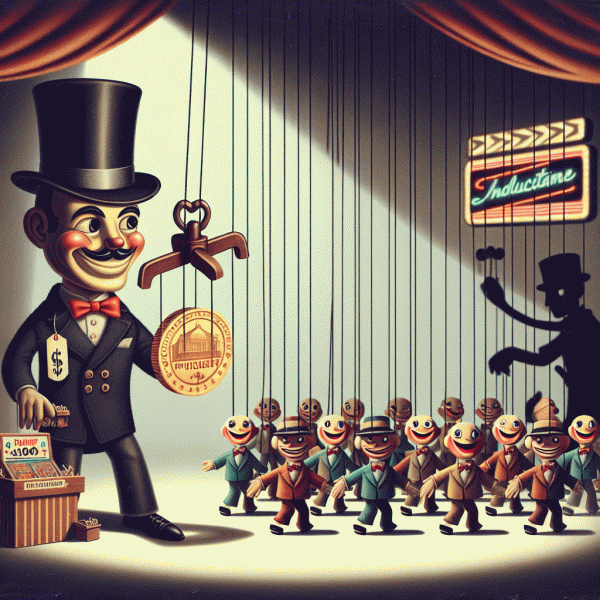
There's a little industry that dresses up empty numbers in shiny outfits: bot farms, engagement pods and paid boosts that scatter likes like digital confetti. From the feed, the result looks persuasive—big follower counts, a stream of likes—but up close the party's mostly automated. Humans take cues from crowd size, and platforms reward early momentum, so a manufactured spike becomes a believable signifier. That's the sneaky part: popularity isn't just vanity metrics, it's social proof currency that bends perception and algorithmic attention in its favor.
How it works is boringly clever. Fake accounts and curated networks simulate behavior—liking, resharing, leaving templated comments—and paid boosts buy visibility to audiences who might not care. Algorithms see the engagement and feed it to more people; people see the engagement and assume quality. The combination creates a feedback loop: a small, paid shove triggers organic-looking signals that attract real eyeballs. For marketers, that look can be tempting because it's fast and measurable. For brands, the risk is hollow reach—numbers without loyalty.
Want to tell the difference without a PhD in suspicious metrics? Watch for telltale signs: sudden follower jumps with little corresponding reach growth, lots of likes but few genuine replies, dozens of bland comments like 'Nice!' or emojis, and followers with empty bios or stock photos. Geographic mismatches—fans concentrated in unexpected countries—are another red flag. Also check engagement rates: a million followers with a 0.1% engagement rate is a screaming mismatch. These clues don't prove fraud on their own, but together they form a clear pattern.
Take action with a simple audit. Start by graphing follower growth and engagement over time, then segment by acquisition source and geography. Pause any paid boosts and compare reach and conversions to organic posts. Use platform analytics or third-party tools to sample follower profiles—if many look fake, consider removing or reporting them. Test authenticity by running small, targeted experiments: invite comments with a twist question, and see if responses feel human. If your investment is converting into meaningful behaviors (clicks, signups, purchases), you're in safer territory.
Ultimately, authenticity beats rented applause. Instead of buying bursts, invest in micro-influencers, user-generated content, and community-first approaches that build trust gradually. Those strategies are slower but compound: real engagement is sticky, fuels referrals and survives platform changes. Popularity you've paid for is rented—the rent's due when the algorithm changes. Genuine attention is an asset you own. If you want one quick win, try a 5-minute audit this week: you'll spot at least one suspicious signal and get a head start on cleaning up your digital backyard.
Why Fake Signals Fool Real People—and Their Feeds
Attention is a currency and fake signals are counterfeit bills that pass in the marketplace of our feeds. A handful of purchased likes, a swarm of bots, or a comment thread full of one-liners creates the illusion of demand. That illusion is sticky because humans speed-read credibility: high numbers, lots of comments, and a glossy top-line sentiment act like a neon sign that says "trust me." The trick is not magic—it is an exploit of very ordinary shortcuts our brains and platforms take when deciding what matters.
Those shortcuts are the reason the scheme works. Social proof means people assume value has been vetted by others. Algorithms treat engagement as a proxy for relevance, so early inorganic activity pushes a post into more feeds, which generates more organic reactions, which then justifies the algorithm's original nudge. Add cognitive laziness, the desire to avoid missing out, and the habit of scanning rather than reading, and you have a perfect amplification loop: both humans and machines end up reinforcing a lie until it feels true.
When you want to spot the fakery, look for patterns rather than single signals. A quick checklist helps cut through the noise:
- 🤖 Activity: Are reactions concentrated in a short burst from accounts with no history?
- 🐢 Velocity: Does engagement spike unnaturally fast or in odd time zones?
- 👥 Origin: Do commenters seem like real people with varied profiles and genuine back-and-forth?
These cues turn suspicion into action. For readers: pause before amplifying, inspect the top commenters, click through a few profiles, and ignore the pressure to share. For creators: build defensible signal—diversified engagement, thoughtful replies, and context that survives scrutiny. Platforms will chase short-term metrics, but long-term trust comes from traceable interaction, not fabricated crowds. Adopt simple habits—slow down, verify, and reward substance—and the fake crowd loses its power to fool both our feeds and ourselves.
The Dirty Little ROI: Social Proof That Actually Converts
You know that nagging itch when a post has 200 likes versus 2? That itch is pure conversion currency. Paid engagement exploits a simple psychological shortcut: if others 'approve', our brains assume the thing must be worth attention. That shortcut is the dirty little ROI—cheap, repeatable, and maddeningly effective at nudging clicks, signups, and purchases even when the interaction behind the numbers was bought. The reason it still works is basic: consumers use visible signals to reduce uncertainty, and well-placed counts and comments collapse friction faster than a glossy product page.
Mechanically, social proof converts because it solves two problems at once: credibility and momentum. A subtle count, a handful of comments, or a few early shares tell a visitor that someone else already vetted your offer. Marketers who buy engagement aren't always paying for eyeballs; they're buying the initial push that turns curiosity into action. That means you can often beat competitors not by having better creative, but by appearing to be ahead. Practical test: A/B the same creative with and without visible engagement; run the winner and then peel back to measure decay.
If you want the conversion upside without becoming a reputation pariah, do this: Audit every signal on your funnel (follower counts, review stars, live viewer numbers), then prioritize the ones closest to the CTA. Seed authenticity first — amplify real micro-interactions from actual customers — and only use paid boosts to push promising posts over the credibility threshold. Surface proof near the buying moment: show recent purchases, short customer quotes, and a rolling count that updates in real time. Tip: hide raw counts until they pass a modest threshold (e.g., 20+) to avoid the 'lonely post' effect; it's a tiny tweak with disproportionate ROI.
Lastly, treat social-proof as an experiment, not a stunt. Log lifts in CTR, conversion rate, and average order value, and tie them back to customer lifetime value so you don't confuse short-term manipulation with sustainable growth. Keep transparency rules in check — disclose sponsored posts and don't fake reviews — because short gains can cost you long-term trust. Run a two-week pilot: boost engagement on one landing page, track the lift versus a control, and set a kill threshold. The goal isn't to trick people; it's to bend signals toward truth so genuine value can be discovered faster.
Play It Smart: When Paid Push Helps (Not Hurts) Your Brand
Paid promotion isn't inherently evil—when used to complement what's already working it becomes a scalpel, not a sledgehammer. Start by asking whether you have authentic content worth amplifying: don't try to buy virality, boost real signals. Use paid reach to find audiences who resemble your best customers, tailor creative to their mindset, and set expectations for outcomes (not just likes). The trick is to let paid dollars accelerate genuine momentum, not mask a weak product or hollow message.
Tactical moves that actually help: amplify posts with proven organic traction, retarget users who showed intent, and run small A/B tests to learn which creative and CTAs move the needle. Cap frequency so you don't swamp people with the same ad, and choose native formats that respect the platform's tone. Authentic creative—short testimonials, user-shot clips, benefit-first headlines—beats glossy productions that raise suspicion and deliver poor ROI.
Measurement and safeguards are non-negotiable. Replace vanity metrics with signal: incremental conversions, cost per meaningful action, time on site, and retention lift. Use randomized holdouts to estimate true incremental impact instead of assuming correlation equals causation. Vet partners for transparent reporting and auditability; don't pay for engagement that can't be verified. Put clear KPIs and stop-loss limits in place so a campaign can't spiral into an expensive reputation problem.
In practice, press the paid pedal for speed—product launches, time-limited discounts, geo-targeted rollouts—and ease off when the mission is long-term trust and relationship-building. Start small, iterate fast, and scale only after evidence shows real impact. Do this and paid push becomes a clever nudge that helps people find value, not a sleazy shortcut that haunts your brand later.
The 5-Second Sanity Check Before You Hit 'Promote'
You're seconds away from clicking "Promote" and letting the algorithm do its thing, which is precisely when the dark side of paid engagement can sneak in. Before you bankroll vanity metrics, run a super-fast sanity check that protects your brand and your budget. Think of it as a pre-flight safety demo for ads: three gestures, one look, and a tiny mental nudge to ask whether this paid push helps the people you actually want to reach — not just the dopamine-seeking crowd that inflates numbers without value.
Here's a tiny, scannable checklist you can actually remember at 30mph:
- 💬 Clarity: Is the message instantly understandable? If a viewer needs to decode your value in a glance, it'll die in feed-scroll time.
- 👥 Fit: Are you promoting to humans who would plausibly care, not just to a demographic that's cheap to target? Relevance beats reach every time.
- 🚪 Landing: Does the click take someone somewhere sensible — not a 404, not a generic homepage, but a tiny doorway that finishes the story your ad started?
If those three ticks feel good, give yourself two more pragmatic moves before increasing spend: 1) Run a micro-test with a tiny budget and one clear KPI so you're buying learning, not just impressions; 2) Protect against amplification of bad content by checking comments and sentiment for 24 hours — paid reach can turbocharge problems as fast as it turbocharges traction. If you still see weird engagement patterns (tons of clicks with no conversions, odd geographic clusters, or sudden spammy replies), pause and investigate: the algorithm amplifies behavior, good and bad, and your money should back the good stuff.
Finally, treat paid promotion like a magnifying glass, not a magic wand. Use it to highlight what's already working, not to fix what's broken. Keep the budget small enough that you can iterate, honest about the outcomes, and ready to stop the moment you're amplifying noise instead of signal. Do that five-second sanity check, and you'll avoid the most common traps while still getting the sneaky benefits of paid reach — clearer outcomes, faster learning, and smarter long-term growth.