The 7-Minute Gig: Microtasks That Pay While You Sip Coffee
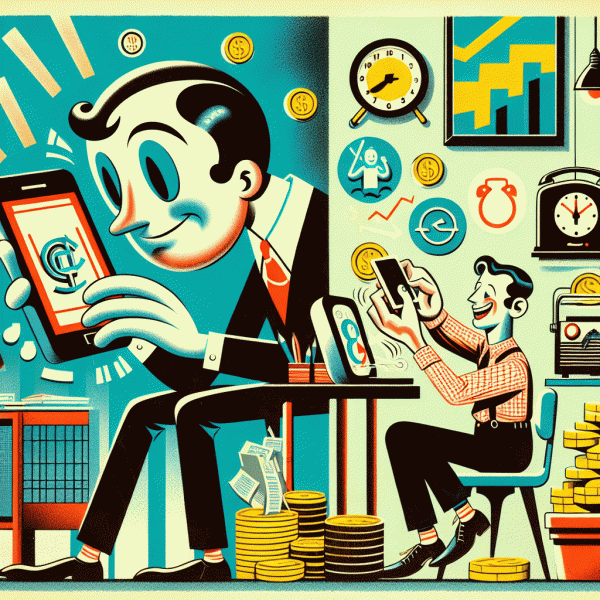
Think of the 7-minute gig as a tiny side hustle you can slip between scrolling and that second espresso. These microtasks don't promise overnight riches, but they do deliver steady pocket money with almost zero setup: sign up, warm up your profile, and spend a few focused minutes completing a task before the next meeting or while your kettle boils. Treat each microtask like a tiny mission with a timer — set a seven-minute limit, finish cleanly, and move on. Over time those tiny missions add up into real dollars and a surprisingly satisfying to-do list.
Getting started is mostly about momentum and a tidy approach. Pick two reliable platforms, create a clear, friendly profile photo and headline, and pre-save common payment verification docs so you don't lose time when you qualify for higher-paying gigs. Use browser extensions or the platform apps to receive instant task notifications, and keep a short template for common answers (think: demographic snippets or basic bio lines) to speed up form-style microtasks. Finally, build a simple routine: coffee, queue up tasks, seven-minute sprint, log earnings.
Here are the three microtask types that reliably pay and fit neatly into your coffee break:
- 🆓 Surveys: Short questionnaires that pay per completion; stack similar surveys and save time by answering consistently and honestly.
- 🤖 Microtask Hubs: Tiny jobs like image tagging, data validation, or short transcriptions; these are fast once you know the platform's quirks.
- 🚀 App Testing: Quick usability checks or feedback sessions on new apps; you'll get paid to poke around and share what felt smooth or clunky.
To boost earnings without burning out, batch similar tasks and track your effective hourly rate for each type. If surveys consistently pay poorly for your time, drop them; if microtask hubs reward speed, make those your core. Keep an eye on payout thresholds and fees so you don't get surprised on payday, and diversify so one platform's policy change doesn't wipe out your micro income. Use the seven-minute cadence as a game: how many verified completions can you get in a coffee hour? Small wins compound.
Finally, make it fun and measurable. Create a tiny spreadsheet or use a note to log time spent and payment received, then celebrate when your microtasks fund something specific — a streaming sub, a night out, or savings. The charm of the 7-minute gig is its flexibility: with a little strategy you'll be converting idle minutes into consistent cash while enjoying coffee, podcasts, or whatever makes those seven-minute sprints actually pleasant. Sip, click, earn, repeat.
No Skills? No Problem - Apps That Pay You for Taps
Think of these apps as tiny gig machines that run on attention, not experience. With a few taps you can earn cash, gift cards, or crypto for things anyone can do: watching a short clip, rating a photo, scanning a receipt, or completing a five-question poll. The catch is that each task pays a little, so the smart play is volume plus selectivity. Prioritize apps with low withdrawal thresholds and transparent payout histories, set a daily micro-session (15 to 30 minutes), and treat the whole thing like pocket money harvesting rather than a replacement salary. That mindset keeps expectations realistic and motivation steady.
Different tap-to-earn apps fall into predictable categories, so choose two or three that match your routine and device. Consider mixing a dependable survey app with a receipt scanner and a passive video app so you are not stuck waiting on one source. A quick starter mix to try:
- 🆓 Surveys: Short-answer and multiple-choice polls that pay per completion and often include referral boosts.
- 🚀 Receipts: Snap a grocery receipt for points; these are great after shopping and add up fast when combined with cashback.
- 💥 Videos: Watch brief clips or ads and tap to confirm views; perfect for low-effort sessions while commuting or waiting in line.
Now for a pragmatic routine you can try today: pick three apps from different categories, enable only essential notifications to avoid distraction, and block out one 20-minute window when you are most alert. Track time vs. payout for a week so you can skip the apps that pay poorly for your time. Cash out early and often to avoid losing balance to policy changes, and always enable secure payment options like PayPal or gift-card delivery. A couple of common-sense warnings: avoid apps that demand bank details up front or promise outrageous returns, and read privacy notes about data sharing. When used deliberately, these tap-and-earn tools are a pleasantly low-effort way to turn spare minutes into small but steady earnings.
From Pennies to PayPal: Stack Small Wins Into Big Payouts
Think of each tiny online gig as a coin dropped into the same jar. One survey, one receipt scan, one five minute microtask might feel trivial on its own, but when you build a rhythm around those moments you start to harvest a steady stream of small wins that compound into real PayPal payouts. This is not about striking it rich overnight; it is about treating micro earning like a habit loop—quick input, immediate reward, and a tiny celebration. That mental approach transforms scrolling into a productive routine without adding stress or a heavy time commitment.
Get tactical: pick three reliable platforms that match your style and payout to PayPal, then rotate them like a playlist so boredom does not erode efficiency. Batch similar tasks together to reduce context switching and use short timers to keep pace. Create templates for open responses, saved payment info, and standardized profile answers to speed up approvals. Pay attention to effective hourly-like rates rather than raw per-task values so decisions are guided by efficiency. Whenever possible, meet the smallest cash out threshold, verify PayPal linkage, and cash out early and often to avoid losing momentum.
Compound growth comes from stacking tiny edges. Activate referral links and bonus streaks, combine cashback from shopping with receipt scanning, and chase daily streak rewards where they exist. Reinvest a portion of early earnings into tools that multiply productivity: a simple text expander, a basic spreadsheet that tracks task type and minutes, or a paid platform feature that unlocks higher paying work. Diversify task types so downtimes on one platform do not stall income. Over time move a share of activity toward tasks that pay better per minute or toward small gigs that can be bundled into a microportfolio of services.
Make a 30 day plan that converts intent into payments. Week 1: sign up, verify PayPal, and complete onboarding tasks on chosen platforms. Week 2: timeblock two 30 minute sessions daily for task work and record earnings in a simple sheet. Week 3: optimize by trimming low yield tasks and adding a referral or bonus channel. Week 4: cash out, review metrics, and set a next month target that nudges earnings up 20 percent. Small wins build confidence, and consistency builds balance in your wallet. Start with a coin, keep the habit, and watch the jar turn into a PayPal transfer that feels a lot less like luck and a lot more like smart routine.
Avoid the Traps: Red Flags and Legit Platforms in 2025
Scrolling for cash is fun until a red flag turns the swipe into a facepalm. Learn to spot the obvious scam signals: Upfront fees: legitimate microtask gigs do not ask you to pay to start; Vague task briefs: if the job description reads like a riddle, walk away; Sky-high guarantees: promises of huge pay for five minutes of work usually mask low-quality schemes; and No payout proof: absence of transparent payment history or public reviews is a warning light. If a platform pressures you to move off the site for payment, that is a major red flag. Treat your time like currency and do not sell it short to anyone who asks you to take a leap of faith with no safety net.
Vetting is simple and fast when you make it systematic. Check basic signals like SSL on the site, professional contact info, and a clear terms of service. Search the platform name plus words like "payout" and "complaint" to find real user experiences. Ask for a small test task and a micro payout before committing. Reach out to support with a simple question and time the response. If the support answer is canned or evasive, consider that a yellow card. Keep a tiny checklist on your phone so you can run through the checks in under two minutes before you start any new gig.
Protect yourself with operational habits that do not require paranoia, just good practice. Use a dedicated email for gigs, enable two factor authentication, and never provide sensitive identity numbers unless you are dealing with a verified employer and a contract. Take screenshots of task requirements and payment confirmations, and track hours and invoices in a free spreadsheet. Use payment methods that offer dispute resolution and withdraw earnings to a bank account or established wallet fast. If anyone asks you to send money first or to use an obscure crypto bridge, stop and recheck the site against known scam patterns.
When you are ready to pick platforms that respect your time, start with vetted marketplaces and reputable microtask sites, and consult top-rated gig platforms for curated options that match honest work to simple tasks. Treat each new source as a mini experiment: try one or two tasks, confirm a payout, then scale up. With the right checks and a little skepticism, the scrolling habit can become a steady side income without the drama. Keep the hustle clever, not careless.
Your 30-Day Plan: Daily Tasks to Hit Your First $500
Think of this 30-day plan as a mashup of a sprint and a side-hustle bootcamp: small daily wins that stack into $500. You'll aim for an average of about $16.70 per day, but the smarter play is to ramp: Week 1 is about setup and quick wins ($60), Week 2 builds momentum ($120), Week 3 scales earnings ($160), and Week 4 doubles down for the final push ($160). That schedule gets you to $500 while letting time for verification delays, slow payouts, and the inevitable learning curve. Block 60–90 minutes per day and treat it like a project—track tasks, log time, and celebrate tiny milestones.
Daily routine: split your session into focused blocks. Start with 20–30 minutes on verified microtask platforms (think Prolific, Clickworker, or user-testing sites) where you can convert attention into quick cash. Next, spend 20–30 minutes applying for or completing small gigs on marketplaces (Fiverr/Upwork or niche task boards) — offer a $5–$25 quick service that's easy to deliver. Use the final 20–30 minutes for higher-leverage moves: listing an item to resell, drafting a 1-page digital product, or sending outreach messages to potential clients. If you only have 30 minutes one day, pick the highest ROI item and batch the rest tomorrow.
Week-by-week tactics: Week 1 is verification and volume—complete 20–40 qualifying tasks, finish a couple of Usertesting sessions (they're often $10 each), and clear 3–5 surveys with decent hourly rates. Week 2 is systems—create templates, publish two gig listings, and list 5 resale items; aim to convert curiosity into repeatable revenue. Week 3 is optimization—batch similar tasks together, chase higher-paying requests (transcription, niche surveys, short copywriting), and start using referral bonuses. Week 4 is leverage—automate repetitive bits with canned responses, raise prices or add upsells, and consider a tiny paid boost (promote one gig for a few dollars) that lets you close faster. Targets: by the end of week 2 you're past the slow start; weeks 3–4 produce the bulk of the $500.
Quick guardrails and hacks: keep a simple spreadsheet for earnings, platforms, payout thresholds, and pending withdrawals; set calendar reminders for payout dates so you don't chase phantom money; never pay to start a 'job' or send sensitive documents without verifying the buyer; use a dedicated email and a low-fee payout option. Time-savers: keyboard snippets, a saved catalog of gig descriptions, and screenshots of completed work for proof. Lastly, treat this like a game—track streaks, celebrate daily micro-payments, and iterate fast. Hit the first $100 and you'll see how momentum turns a phone scroll into a steady money-making habit.