The $5 funnel: turn pennies into 1,000 eyeballs
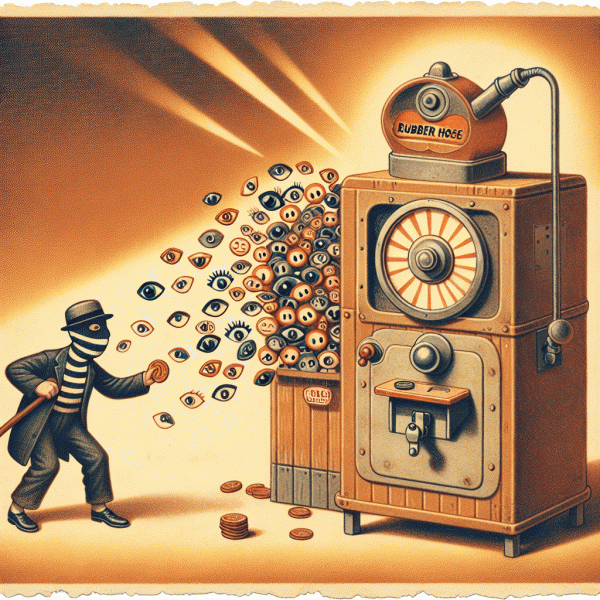
Think of five dollars as a tiny engine that takes one good idea and pushes it through traffic. The funnel is simple: create one clickable asset, spend a micro budget to seed it to a very specific audience, then use organic hacks to multiply reach. This is not a magic trick. It is a deliberate sequence of choices that maximizes impressions per penny. The goal is not to make a viral masterpiece overnight but to engineer momentum so that a handful of initial views trigger shares, comments, and algorithmic boosts that turn those pennies into real eyeballs.
Start by building the asset that will carry the funnel. Pick one crisp headline or visual that can be understood in two seconds. Keep copy punchy and outcome oriented. Use a clear call to action that invites engagement rather than passive scrolling. On most platforms this is a link post, short video, or carousel with a first slide that stops thumbs. Then set a tiny ad: allocate the full five dollars to a 24 hour boost targeted at a hyperniche audience. Short duration plus narrow audience forces the platform to show the post to the most likely engagers, not just the cheapest placements.
The targeting and setup are the engineering part. Do these three things every time:
- 🚀 Target: Pick one interest, one geographic area, or one custom audience of under 50k people to avoid dilution.
- 💥 Creative: Use one bold line that promises a specific payoff in under 8 words and pair it with a clear visual.
- 👥 Boost: Run the boost for 24 hours with the full five dollars and optimize for engagement, not clicks, on platforms that offer that option.
While that micro campaign runs, prime the organic side. Pin a clarifying comment or reply to early responders to drive conversation. Ask a question inside the post text that invites short answers so people leave a reply. Share the boosted post into one or two niche communities where the audience overlaps with your ad targeting. If you can loop in one partner or friend to comment early, the social proof will push the algorithm to show the post to more of your target audience. Keep a simple UTM tag or shortened URL so you can tell paid impressions apart from the organic spillover in your analytics.
After 24 hours, do a quick triage. Look at engagement rate, cost per engagement, and where the spillover came from. If engagement is healthy, duplicate the winning creative and expand targeting slightly, or reallocate another five dollars tomorrow to a fresh audience slice. If engagement is low, swap the creative element that underperformed: new headline, new thumbnail, or different first 2 seconds of video. The beauty of this funnel is speed and low risk. Five dollars buys you a statistically meaningful data point and a chance to spark cascading interactions that take you from a few dozen seed views to around one thousand eyeballs when paid reach, shares, and organic algorithmic boosts align. Run this loop weekly and you will be turning small bets into reliable traffic engines.
Zero cost traffic first, smart micro spend second
Think of organic tricks as free gas for a car you want to drive a long way: pour everything into traction before you reach for the coin purse. Start by sharpening the very first glimpse people see — the thumbnail or opening line — so it forces a scroll stop. Then make your post easy to share: a single, simple takeaway, one-sentence CTA and an attention-grabbing image or 7–12 second clip. Crosspost in relevant communities where you are actually welcome: niche subreddits, LinkedIn pods that match your industry, and active Facebook groups. Be a contributor first; a handful of meaningful interactions in those places will drive steady, zero-cost views that tell you whether the idea has legs.
Next, multiply those free sparks without spending a dime. Pin a short, provocative comment that asks a question, and respond to every early reply in the first hour to boost momentum — algorithms reward rapid engagement. Add 3–5 targeted hashtags or keywords, tag collaborators and people who would add value (not random influencers), and convert the same content into a 20–30 second vertical clip for Stories, Reels, TikTok or Shorts with a swipe-up or link in bio. Small tweaks like timing your share to when your audience is most active, reposting to different time zones, and dropping the post into 2–3 relevant channels can turn 100 initial views into several hundred, all on the house.
Once organic traction proves the idea, introduce a tiny, surgical spend to amplify the winner. Think of this as validation funding, not an ad campaign. Allocate $3–$10 to boost the single post that already has the best engagement rate; platforms like Meta, X, and TikTok let you pick a short 24–48 hour boost objective focused on video views or engagement. Target narrowly: people who follow similar pages, an interest cluster that matched your organic responders, or a small custom audience of past engagers. Use the platform's default optimization for the first run, then tweak audiences on the second. A $5 nudge often moves a post across the threshold where platform algorithms start recommending it widely, creating the kind of snowball effect that racks up views fast.
Measure the experiment like a scientist: track view velocity, comments, saves and clickthroughs with a simple UTM or platform analytics. If the post hits your target view goal cheaply, double down by reallocating another small chunk to the same creative or by promoting the follow-up content that builds on the winner. If it does not, kill the test, harvest the learnings, and recycle the creative into a different format or channel. The pattern to remember is clear and practical: squeeze organic reach first, then use a tiny, smart spend to validate and accelerate winners. That combo keeps your cost per win microscopic while giving you a reliable path to the 1,000+ view sweet spot.
Copy and paste outreach that feels human, not spam
There is an art to copy and paste outreach that actually sounds human: give people a tiny spoonful of attention and a clear, tiny path to respond. The trick is to make each message feel hand-crafted without spending hours per reply. Use one specific detail you noticed (a line from a post, the person's profile detail, a product name), pair it with a short benefit they care about, then end with a single, low-friction ask. That pattern — notice, value, micro-ask — turns cold copy into something that reads like a neighbor dropping by with cookies, not a telemarketer with a script.
Here is a paste-ready framework you can use and slightly tweak per prospect. Swap the bracketed parts for a real detail, then send: Hi {Name}, loved your point about {specific thing}. Quick idea that could get your post in front of more of the exact people you want — a 30-second tweak to your headline/CTA that has worked for me. Want that suggestion now or later today? Keep it compact, personal, and time-oriented. People respond to offers that are specific and seem effortless to accept.
Three tiny, repeatable tweaks that keep copy-and-paste outreach human and clickable:
- 💬 Reference: Mention a precise sentence or fact from their content so the message is unmistakably about them.
- 🚀 Value: Give one measurable upside (more clicks, clearer CTA, better targeting) rather than vague praise.
- 👍 Micro-Ask: Ask for a yes/no or a quick timing preference instead of asking for a meeting or a long reply.
Finally, treat this as a live experiment: send 20 messages with one variable changed at a time (subject line, opening line, micro-ask) and track which combo produced both replies and actual view spikes. Save the versions that get genuine responses and stash them in a swipe file for fast personalization later. With a tiny investment of testing and a spoonful of real detail, your paste-ready outreach will feel like a helpful note from a real person — and those are precisely the notes that drive clicks, comments, and the kind of views that blow past 1,000.
Targeting sweet spots: where to place your post for instant lift
Placement beats pedigree. A 10k-member forum that barely stirs is worth less than a tight 800-person group that upvotes, comments, and shares within an hour — that burst is what triggers most platforms' recommendation engines. Target tiny, active pockets where your post can be the most interesting thing in the feed: niche communities, recurring discussion threads, and curated aggregator pages. Think of these as “sweet spots” where one smart placement creates a visible lift instead of getting lost in the noise of big, slow audiences.
Map those sweet spots quickly: scout for groups with 100–5,000 engaged members, find recurring threads or weekly roundup posts, and spot curators who reshare community picks. When you post, lead with a 1–2 sentence hook that promises an obvious payoff and a clean visual that stops the scroll. Example hook: 'Two tiny tweaks that added 300% more clicks to my headline — here's the exact copy.' That kind of clarity gets attention in tight feeds; vagueness does not. Time your share for when the community is most active (check timestamps on recent posts), and make your first hour count.
Here's the tiny monetary trick that makes those placements sing: spend up to $5 to seed authentic early engagement. Do this ethically: buy a $5 coffee gift card as a one-winner micro-giveaway to encourage thoughtful comments, or offer $5 to a micro-curator who routinely shares community finds, or run a $5 micro-boost on a platform with precise targeting. The goal isn't fake metrics, it's a controlled, measurable nudge that produces real reactions inside the first hour — and that initial engagement is what persuades algorithms to amplify your post to more people.
Execute fast and follow up. Within the first 60 minutes, reply to the top 10 comments, thank sharers, and pin or reshare to keep momentum. Track the placements that deliver (views, saves, shares) and repeat what worked across three different sweet spots the next day — double down on the winner, drop the rest. Small communities scale: win a handful of them and the combined lift can reach your view goals much faster than a single shot at a big audience. Try it once with a $5 nudge, treat it like an experiment, and you'll know within 48 hours whether that placement is worth repeating.
A 24 hour rollout plan you can rinse and repeat
Think of this as a kitchen timer for virality. In the first three hours set up the scaffolding: pick a single, swipeable hook, a bright thumbnail, and a 1-sentence promise that answers "what do I get" within 2 seconds. Draft three micro captions tailored to different audiences: one for curiosity, one for value, and one for controversy. Queue the post during a high-traffic window for your audience, then pin a short checklist so eyeballs that land know exactly what to do next. This is the prep that makes $5 ads or a tiny comment injection explode your organic reach because everything else will lean on that clear, repeatable promise.
Launch hour is a sprint not a siege. Use this checklist to time your moves:
- 🚀 Prep: Create a sparkling first comment that seeds keywords and a sticky question.
- 💥 Publish: Drop the post when your crowd is online and immediately add the first pinned comment.
- 👥 Amplify: Send 5 direct messages to top engagers, post in one community, and trigger a small $5 boost or micro-task push.
Once live, do the work that actually turns impressions into momentum. Spend the next four hours cycling through quick engagement loops: respond to every comment with a prompt that encourages replies, like and reply to the best answers, and loop in collaborators with a single ask: "Drop a one line take and tag a friend." If you want a reliable shortcut to stimulating conversation without looking spammy, consider targeted services for social media comment boosting that deliver timed responses and realistic interaction patterns. Keep interactions authentic, short, and specific so algorithms see meaningful engagement and keep showing your post.
Finish the 24 hours by measuring and locking repeatable gains. At hour 12 check retention metrics and at hour 18 adjust the thumbnail or first comment copy for version B. Save what worked as a template: headline, hook, timing, and the exact comment that sparked replies. Rinse and repeat on a new post within 48 hours, swapping only one variable at a time. Do this over four cycles to build a predictable pipeline of posts that can each crack 1,000 views. Small, consistent actions win more than one explosive gamble, and that is how you turn a five dollar nudge into a dependable viewing machine.