The dopamine economy: how paid likes hijack your metrics (and your brain)
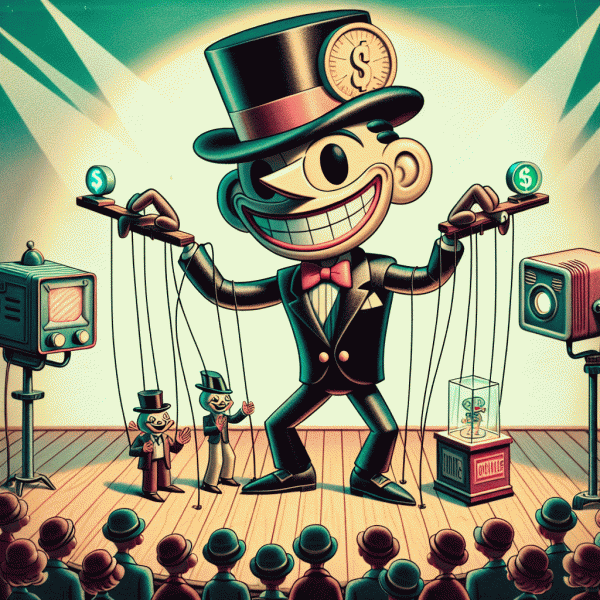
Imagine a slot machine party for marketers: every paid like drops a tiny coin into the agency brain, and very quickly teams chase the next ping. Those little approvals are not neutral data points. They are neurochemical events that reward the buyer and the posted creative, teaching both the algorithm and the human to favor instant, superficial validation over slow, durable value. That makes metrics addictive. When attention is measured in dopamine pulses rather than customer signals, decisions curve toward spectacle, not substance.
Paid likes act like white noise that drowns out signal. A campaign can show impressive engagement rates while delivering negligible lift in awareness, intent, or repeat purchase. Algorithms see interaction and amplify content, but they cannot tell whether the interaction came from a meaningful fan, a neutral scroller, or an engagement farm. The result is noisy reporting, distorted audience building, and budgets that buy impressions with the depth of tissue paper. That noise also trains creative to chase cheap wins: flashy hooks, bait headlines, and safe iterations that land clicks but do not build relationships.
There are concrete steps to reclaim metrics and placate the dopamine impulse. First, stop treating raw likes as currency and start measuring outcomes that map to business value. Track cohort retention, lift tests, conversion rates, and revenue per acquired user. Run simple experiments that hold creative constant while varying paid distribution and then measure downstream behavior at 7, 30, and 90 days. Audit spikes in follower counts for bot signals and anomalous geography. Replace vanity dashboards with a short list of hard signals and a catchall qualitative review that asks: did real people respond in ways we can act on?
Finally, design your programs to resist quick hits. Reward teams for building repeat engagement rather than initial peaks. Invest budget in owned channels and community moments that compound, and fund a small portion of test budget for long horizon creative that earns trust. Be transparent with stakeholders about tradeoffs between early applause and durable growth. The dopamine economy will keep offering the easy thrill, but marketers who step off the spin cycle will find their metrics start to reflect customers rather than clicks, and their strategy will earn something that paid likes cannot buy: real momentum.
Why the algorithm rewards fakes—and how to ride the wave without drowning
Algorithms are basically formulae that favor heat and speed: quick likes, early comments, rapid shares and saves are interpreted as relevance signals and get pushed harder. That pattern creates a perverse incentive loop where manufactured interaction can masquerade as genuine interest. Click farms, engagement pods, even incentivized micro-rewards can create the velocity and clustering the system craves, causing a piece of content to explode into feeds long before anyone has shown true intent to convert or stick around. What looks like momentum on the surface often hides a brittle house of cards with little long term value.
That brittle reward structure explains why paid engagement is so seductive. A budget can shortcut the organic validation stage and grant instant visibility, but those early spikes usually buy noise rather than fans. Shallow metrics and high churn are the common returns, and platforms are improving at spotting synthetic patterns, which means demotion or penalties are real risks. Beyond ethics, the business case collapses when the audience you amplified does not convert, interact meaningfully, or return later for repeat actions.
Riding the algorithmic wave without drowning means using paid tactics as a smart amp, not as a fake crowd. Start by amplifying assets that already show organic promise: prioritize posts with thoughtful comments, saves, and meaningful shares. Seed launches with micro communities and true customers who will add contextual replies, and activate employees and superfans to create the first layer of authentic engagement. Use narrow targeting to reach users with higher intent, run clean holdout tests to measure incremental lift and lifetime value, and favor strategies that convert ephemeral attention into ongoing relationships. In short, use paid spend to magnify signals that predict retention rather than to manufacture empty applause.
Build guardrails into every campaign. Monitor sudden spikes from low quality sources, track follower overlap and network density, and pause buys when retention and conversion signals lag. Create creative that invites real interaction: surprising hooks, low friction asks such as "what do you think" or short polls, and follow up with content that deepens the conversation. Maintain transparency around paid partnerships and lean into user generated content that is naturally credible. Finally, set measurable thresholds for campaign health—cost per retained user, repeat engagement rates, and downstream revenue—and reallocate quickly when those metrics do not support amplified reach. Do these things and you exploit the algorithmic appetite for momentum without becoming its puppet.
Real ROI: when fake engagement leads to real sales (seriously)
There is a dirty little secret in performance marketing: when fake signals are deployed with surgical intent they can nudge real humans into buying. Bought likes and a manufactured comment thread can improve perceived popularity, which in turn improves algorithmic distribution and lowers the cost to reach actual prospects. That social proof barrier is real. When a landing page looks busy and a post appears relevant, hesitation drops. The result is not magic, but a measurable bump in clicks and conversions for campaigns that previously hovered in neutral.
How does that work in practice? The trick is not to spray for vanity. Use paid engagement to seed attention among narrowly defined buyer segments, then push those warmed prospects into a clean retargeting funnel. Pair a modest engagement buy with high quality creative and a clear offer, then follow up with personalized ads and email sequences. Micro moments of manufactured buzz create organic cues that real users read as validation. Combined with lookalike models and behavioral retargeting, a short burst of artificial activity can translate into sustainable sales lift when the audience fit is precise.
Prove it before you scale. The only defensible way to use this tactic is with rigorous incrementality testing. Run randomized holdouts, geo splits, or time boxed experiments that compare identical creative with and without paid engagement seeding. Track cohorts for lifetime value, repeat purchase rate, and return behavior rather than celebrating faraway vanity metrics. Also monitor fraud signals: abnormal refund rates, short session durations, or zero downstream engagement mean the lift is hollow. If the seeded audience converts and stays, that is real ROI. If not, cut spend and rethink audience targeting.
Finally, mind the ethics and the platform rules. This is a high reward, high risk lever. Vet vendors, require transparent audit trails, and demand that any paid activity can be traced back to target criteria and timestamps. Disclose sponsored activity where required and avoid tactics that could harm brand trust. Used sparingly, measured scientifically, and paired with quality creative, manipulated engagement can function as a short term catalyst that feeds real pipelines. Used recklessly, it is expensive theatre. Operate like a scientist, not a gambler, and the dark side will stop being purely toxic and start looking tactical.
Red flags and risks: avoiding bans, bot farms, and brand blowback
Pursuing paid engagement can feel like a magician's trick: suddenly your numbers swell, your boss smiles, and the campaign looks like a masterpiece. But beneath that applause there are telltale snags — sudden follower spikes with zero conversation, comments that read like spam, and traffic that vanishes the moment a platform audit rolls through. Treat these as symptoms, not victories. Real indicators of trouble are about behavior, not badges: check growth velocity, geographic spikes, and the ratio of meaningful comments to likes. If signals do not align with your audience profile, pause the party and investigate.
Three immediate danger signs demand a fast response:
- 🤖 Bots: An army of accounts with generic avatars, recycled bios, or identical usernames usually means automation. Do a sample audit: inspect a random subset of followers, check posting cadence, and run handles through a bot-detection tool. If the sample fails, halt the seller and require remediation.
- 🚫 Bans: Platforms increasingly penalize inorganic behavior. Buying engagement can trigger temporary or permanent account restrictions. Protect yourself by insisting on documented compliance practices from vendors and include contractual clauses for penalties and account restoration costs.
- 💥 Blowback: Amplifying messages with low-quality or misaligned accounts can spark negative PR and erode trust. Measure sentiment, not just volume. If outreach looks inorganic to customers, prepare a transparent reply, unwind suspect tactics, and pivot to authentic micro-influencers.
Actionable playbook: always run small, controlled pilots before scaling; require full transparency about sources and methods; embed performance and fraud-remediation clauses in contracts; and use third-party audits to verify claims. Monitor cohort retention and real conversion paths instead of raw likes, and set alert thresholds for sudden abnormal spikes. When vetting partners, prefer those who share raw engagement samples, demographic breakdowns, and willingness to accept clawbacks for suspicious activity.
At the end of the day, paid engagement is a tool, not a miracle cure. Use it with the same skepticism you apply to shiny promises: test, measure, and have an exit plan. Prioritize long-term credibility by blending measured paid tactics with authentic community-building — that combination keeps growth steady and your brand out of the headlines for all the wrong reasons.
Cleanup plan: turning rented attention into owned audiences
Paid clicks are the party you crash: loud, crowded, and fun for five minutes — but you don't want your relationship to end when the music stops. The cleanup plan is about the slow, deliberate work after the confetti: turn that rented attention into something that actually pays rent. Start by thinking like a homeowner, not a tenant — design capture points so irresistible that people hand over a contact method before the ad budget runs out.
Make your capture offer crisp and frictionless. Swap five-step forms for single-click signups, swap generic freebies for micro-commitments that feel personal. Consider entry favors that scale: a quick quiz that tailors content, a one-click calendar invite for a short demo, or a coupon that unlocks after a social share. And make sure every paid placement has a clear second-act: a welcome series, a low-friction community invite, and an easy path to opt into deeper value.
Put these conversion levers to work immediately via a simple playbook you can A/B fast:
- 🆓 Opt-in: Offer a single, valuable exchange (guide, quiz result, discount) that requires one action to claim.
- 🚀 Onboard: Deliver an automated 3-step welcome flow that reinforces the promise and asks for a tiny next move.
- 💬 Engage: Move people into a low-commit channel (chat, private group, SMS) where you can build context and collect preferences.
Don't let retargeting be the final act — let it be the footnote. Use retargeting to nudge people back to the capture experience, not to keep replaying the same ad. Instrument every journey with one north-star metric: cost-per-owned-contact, then layer in activation rates and 30/90-day LTV. Run small experiments: swap the CTA wording, change the delivery (email vs SMS), or test a community invite vs a gated asset. The right micro-optimization can cut your paid attention bleed and double your conversion to owned audiences.
Finally, treat audience ownership like gardening, not mining. Prune dead segments, water the engaged, and plant seeds where performance is compounding. Build a repeatable handoff between paid and owned teams so creative and product updates include clear capture intent. Do this and the ad budget stops being a short-term fling and starts funding a real, sustainable relationship that keeps coming back.