Meet the earners: students, side‑hustlers, and pros turning clicks into cash
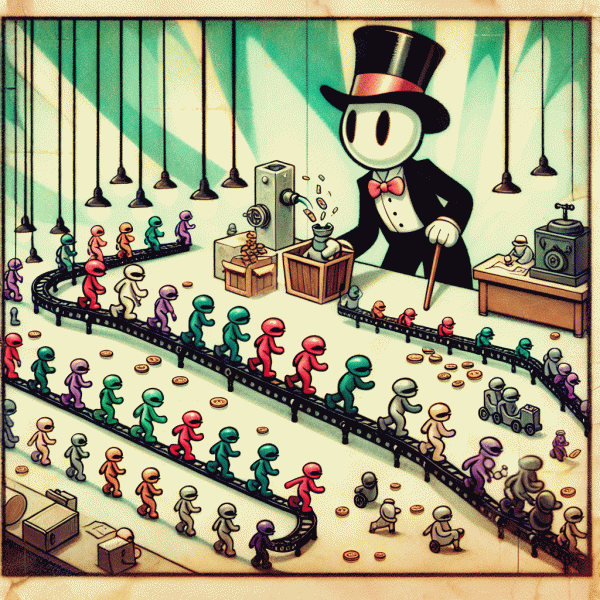
Not everyone clicking through microtask platforms is a lone keyboard mercenary—behind the dashboards are predictable archetypes: caffeinated students buying textbooks, weekend side-hustlers padding rent, and full-time micro-entrepreneurs building predictable incomes out of tiny gigs. Each group has different rhythms, risk tolerance and tactics, which is why one-size-fits-all advice falls flat. Here's a tour of their playbooks: what they chase, what they ignore, and small changes that move hourly pay from 'meh' to 'not bad.' Expect concrete actions—skip the hype.
Students treat microtasks like pocket money with tight margins and flexible hours. They favor mobile-friendly apps, short HITs, and tasks they can nest between classes: quick surveys, captcha farms (careful), short transcription clips, or annotating images. Smart students treat the early weeks as research—track which tasks pay per minute, which request quality audits, and which drain approval ratings. Actionable wins: set a 30-minute timebox for low-attention tasks, use templates for common survey answers, and always build a 5% buffer for rejected work. Don't chase platitudes about 'massive' pay—optimize for consistency.
Side-hustlers operate like freelance event planners of time: they schedule pockets of focused work around daytime jobs and pick tasks with predictable throughput. They scale by batching similar tasks to get into flow and by learning the platform's quirks (peak hours, preferred requesters, repeatable task IDs). Common hacks: use autoclickers only where allowed, create canned responses for micro-transcription, and track effective hourly rates every Sunday to prune low-performers. A quick cheat-sheet:
- 🐢 Student: Micro-sprints between classes—choose high-approval requesters and protect ratings.
- 🚀 Side-hustler: Batch tasks and schedule two focused windows a day to maximize flow.
- 🤖 Pro: Build SOPs and lightweight automation; negotiate bulk work where possible.
Pros treat microtasking as operations—not hustle. They track conversion rates by requester, use spreadsheets to forecast weekly income, and invest time in onboarding for higher-paying gigs (training modules, qualification tests, feedback loops). They're aggressive about chasing bonuses, forming small teams for large annotation contracts, and diversifying across platforms to avoid single-point platform risk. The downside? Burnout and platform policy shifts; the defense is discipline: rotate task types, set weekly income and sanity thresholds, and reinvest part of earnings into tools or learning. Bottom line: whether you're earning your first $20 or building a steady three-figure weekly stream, tiny efficiency gains compound fast. Start with one measurable tweak this week and watch the dashboard reflect it.
The pay puzzle: why some tasks pay peanuts—and how to find the cashews
Micro tasks can feel like digital fruit stands where some apples cost pennies and others are gold plated. A lot of low pay comes from broken math: requesters estimate time per unit poorly, platforms optimize for volume not fairness, and the global supply of workers drives prices down. Add algorithms that surface the cheapest tasks and you have a race to the bottom. But pay is not magic. It is a function of visibility, perceived risk, onboarding friction, and how well a task can be automated. Once you start reading the signals behind a task listing, low pay stops being an annoyance and becomes a clue about where effort is being hoarded and where value is hiding.
There are quick filters that separate the peanuts from the cashews. First, scan for requester history and approval rates. Then look for bonus language, rework instructions, or implicit requirements that add time. Use qualification tests sparingly but strategically because they unlock higher paying lanes. If you want a fast bootstrap to better work, bookmark resources that aggregate fair gigs and follow high quality requesters. One reliable shortcut is to visit curated aggregators like get paid for tasks to see what real cents translate to in real time and to compare task types before investing time.
When deciding whether a task is worth it, consider three simple patterns that reveal long term value and practical traps:
- 🆓 Free: Low commitment micro tasks that are great for onboarding and quick cash but rarely scale to a decent hourly rate.
- 🐢 Slow: Pieces that look simple but have hidden steps or heavy quality checks; they will punish sloppy speed and reward precision.
- 🚀 Rocket: Higher barrier tasks that require tests or specialized skills yet pay multiples and build reputation quickly.
Armed with those patterns, use concrete tactics. Batch similar tasks to shave seconds off each repetition, time a few trials to get a real per hour number, and set minimum acceptable rates before starting work. Build a habit of applying to higher tier requesters and passing qualification checks even if that means doing a few unpaid or low paid tests to move up. Track rejection reasons and seek requesters with clear instructions to avoid unpaid rework. Finally, treat micro work as a funnel: extract steady small wins now while investing some time in niche skills that convert low effort tasks into premium gigs. Little choices add up to better income without burning out, and with a calibrated approach the cashews will outnumber the peanuts.
Timing is money: the best hours, badges, and tricks algorithms reward
Think of micro-task platforms like a crowded flea market with a strict clock: the stalls that open at the right minute get the shoppers. If you want a steady slice of that hidden economy, timing is as important as speed. Requesters post in waves—morning commutes, lunch hours, and late-night crunches depending on the client and their time zone—and algorithms reward workers who match those waves by surfacing their profiles more often. Work during "surge windows" and you reduce idle time, increase task availability, and often land better pay-per-hour because high-paying batches get snapped up fast. The smart move is to map those waves instead of guessing them: keep a simple log of when high-value tasks appear and use that to plan repeatable sessions.
Badges and reputation are the platform's secret handshake. A shiny “Top Worker” tag, a high approval rate, or fast response times nudges the algorithm to push the best tasks your way. That means investing a little effort in quality pays off: double-check answers on new requesters, keep rejection rates near zero, and reply quickly to qualification tests so you get accepted into good batches. Tools help: set keyword alerts, use browser extensions that flag new postings, and block low-paying requesters. Over a few weeks these small habits compound—your hourly goes up not because you're luckier, but because the system starts treating you like a dependable contractor.
Here are simple, platform-agnostic hacks to stop leaving money on the table:
- 🆓 Prime: Track morning and evening spikes for your target requester pool; those windows often contain higher-paying HIT groups.
- 🚀 Batch: Watch for freshly posted batches and jump in fast—many requesters pay identical tasks but only for a limited number of workers.
- 🤖 Metrics: Maintain high approval and quick response times to trigger algorithmic boosts that surface premium tasks to you first.
Practical next steps: run two-week experiments where you test three time blocks, log pay per hour, and compare acceptance or rejection rates. Prioritize blocks that deliver both higher pay and lower churn—those become your "money hours." Avoid gray-area tricks like multiple accounts; short-term gains there can cost long-term access. Treat badges and response metrics as investments: spend ten minutes improving a qualification now and you may unlock weeks of better tasks. In the hidden economy of micro-tasks, the people who earn most aren't necessarily the fastest—they're the ones who played the schedule-and-reputation game smart.
Platform by platform: what pays on data labeling, testing, surveys, and more
Not all microtask cash is created equal. Platforms disguise pay schemes behind different meters: some reward by the task, some by the minute, and some by how well you dance through the qualifications. Data labeling often pays per item and rewards speed plus accuracy, user testing tends to pay per session with simpler rate math, and surveys can swing from token pennies to surprisingly decent hourly rates depending on recruiter budgets. Watch for platform fees, conversion rates, and automatic rejections that erase pay retroactively. The trick is to treat each site like a tiny marketplace: learn how buyers measure value, then match your output to that metric.
Amazon Mechanical Turk is the classic volume play: low per-task rates with the chance to scale if you find reliable requesters and block low-paying HITs. Use requester history pages, qualification filters, and browser extensions to reveal higher-value batches. Prolific tilts toward academic surveys and is widely praised for transparent pay and fair study design; set a personal minimum hourly rate and skip anything below it. Clickworker and similar microtask sites offer steady, simple gigs but require careful selection to keep effective hourly pay up. For user testing, platforms like UserTesting and TryMyUI pay per session and reward clear thinking out loud; practice a few mock tests to polish your delivery and increase invites.
When tasks get technical, the money often gets better. Annotation networks and ML-labeling platforms such as Scale AI and specialized vendor programs hire people with demonstrated accuracy for image, audio, and text labeling at higher rates. Transcription and captioning services like Rev and TranscribeMe pay per audio minute and reward speed with quality; master their style guides and invest in a good headset to boost throughput. Expert niches — language pairs, domain-specific moderation, or UX research panels — usually pay a premium because demand outstrips supply. Treat qualification tests as investments: pass them early, keep accuracy high, and platforms will start sending the better-paying work.
Practical moves that consistently lift take-home pay: track your effective hourly rate across platforms and kill anything below your minimum, batch similar tasks to reduce context switching, use text expanders and templates for repetitive answers, and prioritize jobs with reliable acceptance histories. Diversify so a policy change on one site does not wipe out your income, and reinvest time into a small set of high-quality qualifications that unlock premium gigs. Think of this like arbitrage: the hidden economy rewards the people who learn the rules, automate the boring parts, and treat microtasks as a portfolio instead of isolated clicks.
Quick-start roadmap: tools, red flags, and tactics to stack your income
If you want to go from scraping pennies to engineering a steady micro-task side income, start by equipping your workflow with a few non-negotiables. Install a reliable time-tracker like Toggl and pair it with a simple earnings spreadsheet so you actually measure real hourly rates, not just task counts. Use a password manager, a payment-aggregation account (PayPal/Payoneer), and set up inbox filters so task invites don't drown you. Create polished profile templates and a half-dozen canned responses for common qualification tests and requester messages; having these ready shaves minutes off each acceptance and quickly compounds into usable hours. Finally, subscribe to requester and platform RSS feeds or set Zapier alerts for keywords in task titles so you catch higher-paying gigs the second they appear.
Learn to sniff out bad offers fast. Red flags include unpaid "screening" tests that block you from paid work, requesters with zero history and poorly worded task descriptions, tasks that promise huge sums for impossible turnaround, and platforms that keep ambiguous approval windows or allow mass auto-rejections. If a job hides who owns the data, imposes sweeping IP claims, or requires you to install exotic software, take a hard pass. Document suspicious interactions and screenshots of completed work: that's your evidence if a payment dispute arises. In short, protect your time like the scarce resource it is.
Now for tactics that actually stack income rather than scatter it. Time-block similar tasks and grind them in short sprints to ride learning curves; doing five identical surveys in a row is far faster than hopping between formats. Farm qualifications deliberately—spend an afternoon unlocking three high-paying requesters and you'll spend weeks reaping the benefits. Rotate platforms, too: when one dries up or tightens approvals, another usually loosens. Track effective hourly rate per task type and set a threshold below which you simply won't work. Use micro-niche specialization—rapid transcription, short ad copy, UX microtests—to command higher pay and become a go-to contractor instead of a nameless tasker.
The last mile is scaling without burning out. Consolidate small balances to meet payout thresholds efficiently, choose lower-fee withdrawal paths, and keep neat records for taxes so the end-of-year surprise doesn't erode your gains. Reinvest a small portion of earnings into faster hardware, a better mic, or a premium qualification course that unlocks better gigs. Try turning repeat requesters into direct, slightly higher-paid gigs off-platform once you've proven reliability. Quick first steps: install a time-tracker, build a one-page earnings tracker, apply to three reputable requesters with paid qualifications, and block anything below your personal minimum rate. Do those four things this week and you'll already be separating the micro-task hobbyists from the people treating this as real, compoundable income.