The $0.00 Funnel: Free plays that actually pull clicks
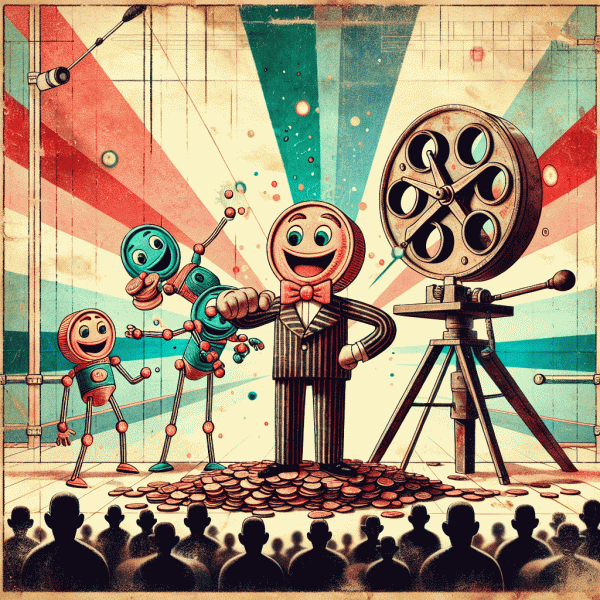
Think of the $0.00 funnel as guerrilla theater: a tiny cast, no budget, maximum applause. Start with a single irresistible object — a one-question quiz, a stripped-down calculator, a tidy checklist, or a shareable template — that answers a burning question your audience already has. That object is not a demo or a pitch; it's a magnet. It earns clicks because it gives immediate, tangible value without asking for payment. Design it to be instantly usable, ridiculously simple to understand, and visually friendly so that the first interaction feels like a tiny win, not a commitment.
Micro-tool: build something that does one useful thing 80% as well as your full product and make it free. Content door: publish a super-short how-to that converts a single insight into a tangible action. Community seeding: post the tool where real people already ask the question — niche subreddits, Slack groups, product forums — and lead with the solution, not the brand. Each of these plays is cheap because development time is limited and the ask is minimal: a click, a share, an email. Stack two or three together and you've got a tiny funnel that feels generous, not grabby.
Distribution is the secret multiplier. Don't spray and pray; pick two high-intent channels and optimize them. Use one organic channel where conversation lives (LinkedIn longform, niche Discord, Product Hunt) and one owned channel (your email list or a tight partnership). Craft headlines like micro-hooks: promise a specific outcome in plain language and bake the next action into the experience. Embed micro-CTAs inside the tool itself ('save results', 'email this checklist') so the transition from curiosity to permission is frictionless. Run a simple A/B test on two titles and two thumbnails to find what actually moves the needle overnight.
Finally, instrument everything for tiny wins: track CTR, time on tool, share rate, and the conversion that truly matters for you (trial, signup, referral). Use those signals to iterate — pare down, make the instructions clearer, add a one-click share option. Launch within 48–72 hours: pick the simplest playable idea, mock it up in a day, seed it in your chosen channels the next, then watch what clicks. The $0.00 funnel isn't about being cheap; it's about being clever. On a shoestring, clever beats loud every single time.
Guerrilla Exposure: Piggyback on bigger audiences (without being a pest)
Think of big audiences as moving trains: if you try to flag one down by flailing in the middle of the tracks you will get noticed for the wrong reasons. The smarter move is to ride in on a carriage that already welcomes passengers. That means aligning to a host or event, adding immediate, visible value, and behaving like a courteous commuter rather than a carnival barker. When money is tight, relevance and timing are the currency; a tiny resource that solves a real problem for a bigger audience will buy you far more attention than a loud billboard ever could.
Begin with context, not with a demand. Scan the calendars of relevant conferences, podcasts, newsletters, Instagram lives, and local festivals; find the one specific pain point a host has this week and build a micro-solution for it. Offer a plug-ready image, a 90-second demo clip, a single-line tweet that summarizes their episode, or a printable handout for their attendees. Pitch with two sentences: one that explains why their audience will thank them, and one small ask that takes no more than 15 minutes to accept. That combination of help plus low friction converts hosts from gatekeepers into allies without turning you into a nuisance.
Use lightweight, concrete tactics that scale. Guest content seeded into an established newsletter with a fresh angle will reach thousands with next to no ad spend; a thoughtful comment on a creator post that adds a useful stat or an image that clarifies a point will get saved and shared more often than a generic emoji. For in-person plays, plant high-utility touches where they belong: a printed map with your logo at an event welcome table, a batch of stickers with a witty-but-on-topic line handed to people arriving at a session, or a short data visual handed to a presenter before their talk. When reaching out, lead with an example: "We made a one-page attendee map for free that fits your branding; may I drop it in your inbox?" That level of specificity makes yes easy and makes you look like someone who anticipated a need.
Measure everything, but be gentle in scaling. Use a unique link or a time-limited discount to see which placements actually move people, and track simple engagement signals like saves, replies, and direct messages as signs that attention is translating into interest. Follow up with a public thank you, credit the host when you repurpose their reach, and always ask permission before amplifying their content. The people who control big stages prefer helpers over hucksters; behave like an indispensable helper and those stages will start to point audiences your way on their own. Small investments, smart positioning, and respectful execution turn pennies into prime time.
Pocket-Change Ads: Targeting tricks that make tiny spends look huge
Think of pocket-change ads as guerrilla targeting: you don't outspend, you outprecision. Instead of blasting a broad audience, you carve tiny, high-intent pockets—late-night bargain hunters, commuters within a 2-mile radius of your pop-up, or people who watched 75% of a competitor's video. Small budgets become dramatic when every impression is a likely buyer. The secret is to make audience sizes small enough that your ad serves often to the right people, not occasionally to everyone. That lets you control frequency, messaging and creative fatigue without burning cash. It also turns platform algorithms into allies: a focused seed audience helps lookalikes climb faster, and retargeting behaves like a magnet instead of a shotgun.
Start by layering filters: demographic + behavior + geofence + time. Interest stacking—select two hyper-specific interests rather than ten vague ones—crushes wasted impressions. Use 0.5–1% lookalikes on Meta and then exclude your broad audience to keep bids cheap. Geo-target like a hawk: run radius campaigns for foot traffic, or polygon-target neighborhoods around an event; add dayparting to hit people when they're actually receptive (lunchtime, commute windows, late-night scroll). Negative targeting is gold—exclude past buyers, job titles that don't convert, or countries that inflate CPMs. Build three tiny audiences per campaign (micro-test): a warm retarget, a super-narrow prospecting group, and a control. Set frequency caps (2–4/week) so the same five viewers aren't your entire market.
Creative makes pennies persuasive. Swap glossy ads for brutally honest short clips and UGC that match the micro-audience's context—talk about the local pain point, the specific weather condition, the nearby landmark. Use a three-step creative sequence: 1) 3–7s hook that identifies the problem, 2) 15–20s proof or demo, 3) 5–10s CTA or time-sensitive offer. With $10–15 total you can run the sequence because you're only serving it to a few hundred high-value prospects. Run micro-A/B tests (two creatives, 48 hours, tiny budgets) and kill losers fast. Templates and captions save time: rotate copy while keeping the visual frame constant so platforms' learning is efficient.
Track tiny wins with micro-conversions—video watches, landing scroll depth, DMs—rather than waiting for sales to trickle in. Use automated rules: pause any audience with CTR below your benchmark after 72 hours and scale winners by 20% weekly. Bid strategies? Start manual or cost-cap to protect CPA, then let the algorithm optimize once you hit a minimum conversion batch (usually 20–50 events). Platforms like TikTok and Reddit often have lower CPMs for narrow quirky tastes, while Meta still rules lookalikes—choose where your niche hangs out. Finally, adopt a 'test-learn-repeat' rhythm: small spends give fast signals, so iterate weekly. Do this and your pennies will read like prime-time buys.
Content Alchemy: Spin one idea into 10 attention-grabbing assets
Take one strong idea and treat it like a creative currency: mint a heavy, high-value core asset and then strike smaller coins from it. Start by choosing an idea with a clear takeaway and a built-in hook — a quirky benefit, a surprising statistic, or a bold opinion. Produce a single long-form piece that does real work for you: a how-to guide, a case study with outcomes, or a short video walkthrough. That core asset is your source of truth. If it is good, every small thing you spin from it will inherit that goodness and will perform far better than random content dreamed up on the day of posting.
Once the flagship piece exists, break it down deliberately. Extract the single most quotable sentence and turn it into a bold share image. Pull three short how-to steps into a carousel or a multi-tweet thread. Clip 60 to 90 seconds from the main video and add captions for social stories. Convert headings into short newsletter blurbs, and repurpose the introduction as an attention-grabbing LinkedIn post. Record a five-minute audio riff and publish it as an episode or an audiogram. Create a one-page checklist or cheat sheet that people can download in exchange for an email. Each derivative should be quick to produce: use templates for images, batch record two or three audio takes, batch export clips at once, and use a single caption bank that you tweak for tone and platform.
Distribution is where tiny budgets win big attention. Plan a one-week rollout that layers formats and channels: day one is the long-form piece, day two is social clips, day three is the checklist lead magnet, day four is a live Q and A or an AMA built around the same content, then revisit the idea with a case angle or customer reaction. Repost with new hooks for different audiences — emphasize results for the business crowd, tactics for the doers, and curiosity for casual scrollers. Use inexpensive amplifiers: pin the best-performing clip, boost a post with five to ten dollars to seed reach, and ask three relevant communities or micro-influencers to test-share in exchange for value. The goal is repeated, varied exposure rather than a single lucky hit.
Track attention, not vanity. Measure which derivative drives signups, comments, saves, or meaningful shares and make that format a repeatable template. Keep a simple spreadsheet that maps the core idea to ten assets, the time it took to produce each, and the outcome so you can optimize for effort-to-attention ratio. After three cycles you will have a mini spinbook of reliable assets that you can deploy in hours, not days. One idea properly milled turns into a pipeline of attention: spark a concept once, and watch the kiln turn it into a consistent blaze.
Borrowed Megaphones: Collabs, swaps, and stunts that amplify for cheap
Think of collaborations as rented megaphones: you borrow someone else s audience and talk to them like you are already part of the family. The cheapest wins come from partners who have the right attention but lack the right content. Spot micro creators, niche newsletters, local shops, and complementary apps that serve your ideal customer but do not compete on product. Offer them an immediate headline—an exclusive offer, a co branded mini guide, or an awkwardly delightful stunt idea—and you skip the long trust build that paid ads try to buy.
Make the trade simple and specific. Propose three clear deliverables for each partner: a co created asset they can reuse, a timeline under two weeks, and a tracked call to action. Lead with value not cash; pay with exposure credits, skill swaps, or a tiny production budget. If you need a quick place to find small gigs or collaborators test a task marketplace for micro labor and creative swaps. That is a two minute way to assemble a rapid response crew of designers, flyers, or short form video editors who will work for a cut of sales or fixed micro fees.
Stunts do not need pyrotechnics to break through. Think of a human sized billboard in a crowded spot, a free sample drop paired with a joyful challenge, or a two hour pop up where attendees get a polished takeaway. Amplify each stunt by layering micro partnerships: one partner brings the venue, another promotes to its email list, and a creator documents the moment for 30 second reels. Measure outcomes with three simple KPIs: unique new contacts, direct conversions attributable to the stunt, and content engagements that extend reach. Keep the stunt compact, repeatable, and inexpensive so you can iterate fast.
Finish with a tiny operational playbook. First, map ten potential partners and rank them by audience overlap and willingness to swap. Second, script the outreach message and propose a one sentence value exchange. Third, pilot one stunt and one content swap in the next 14 days, then optimize. Use bold creative angles that people will want to share and keep budgets under experimental limits. Borrowed megaphones scale when you treat collaborations like experiments not sponsorships. Do one small brave thing and watch attention compound.