Click farms, bots, and the beautiful illusion of popularity
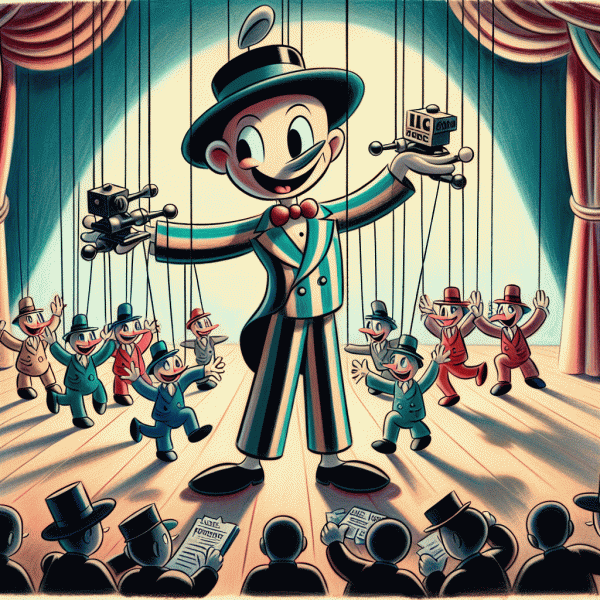
Numbers are seductive: a wave of likes, a thousand views, a thousand comments—suddenly a post looks like a party and everyone wants in. That image of instant buzz is exactly why click farms and bot networks exist: they manufacture the applause. They're cheap, scalable, and built to convince human brains (and platform algorithms) that something is worth attention. For marketers wrestling with quarterly goals and anxious stakeholders, the lure is obvious. If you can buy a little credibility and watch your social proof climb, why wouldn't you? The problem is that this borrowed applause is an illusion—pretty to look at from a distance, rotten on closer inspection.
Here's what that rot looks like in practice. Click farms employ low-paid workers or compromised devices to tap, follow, or watch on repeat; bots are scripted to mimic interaction patterns at scale. Together they create noise that inflates impressions, CTRs, follower counts, and video plays without delivering intent. Algorithms see the raw numbers and may amplify your content, but real business outcomes—leads, purchases, retention—don't follow suit. Worse: budget gets wasted on hollow engagement, ad targeting gets distorted by fake audience signals, and platforms may flag or suspend accounts for suspicious activity. What felt like a clever hack can become a liability overnight.
So what can you do besides resign yourself to this shadow market? Start with detection: watch for sudden spikes that lack accompanying conversion lift, unusually high view counts with low watch time, engagement clustered around odd hours, or followers with no bios or profile photos. Use analytics to compare engagement quality—are these users clicking links, signing up, or bouncing? Augment internal checks with third-party verification tools and audits that flag bot indicators. Then focus on replacement strategies that actually move the needle: test small, paid campaigns targeted by intent (search, conversion-focused placements), lean into micro-influencers with verified, niche audiences, and invest in creative that sparks genuine interaction. Keep attribution tight and measure leading indicators—time on site, repeat visits, micro-conversions—not vanity totals.
Breaking the habit of buying the loudest applause doesn't mean abandoning paid tactics; it means spending smarter. Run controlled experiments, double down on channels that show real attribution, and shift KPIs toward value rather than volume. You'll find that authentic momentum compounds more reliably than rented noise—slow to start, but durable. Treat every dollar as an experiment: if engagement looks too good to be true, it probably is. Replace the beautiful illusion with repeatable, measurable growth and you'll sleep better, report better metrics, and build a brand that doesn't need bot applause to look popular.
Why fake signals still move real humans (and algorithms)
Imagine a crowded cocktail party where the loudest laugh becomes contagious; online, a handful of purchased likes or comments plays the same role. Humans use social proof as a short cut to decide where to place attention, and algorithms are built to reward attention, so an apparent surge in popularity has outsized persuasive power. That early momentum functions like a primer: it signals safety, relevance, and worthiness of further attention. Even when audiences suspect manipulation they often follow the crowd anyway because social validation reduces cognitive effort and signals trust. The net effect is a hybrid reality where manufactured cues and genuine interest blur into a single visible truth, and that blurring is why fake signals so often succeed.
Under the hood several simple mechanics explain how this happens. Recommendation engines favor early engagement velocity, completion rates, session length, and the shape of interaction curves; a timed injection of activity can trip thresholds that trigger wider distribution or placement on a trending surface. Bots and low quality interactions are increasingly sophisticated and can mimic human patterns well enough during the critical incubation window. Platforms also design interfaces to highlight popularity, which turns counts into a shortcut for busy humans. In short, marketers are not exploiting mystical loopholes but the very heuristics both humans and algorithms rely on to filter a sea of content.
The temptation to buy that shortcut comes from very real pressures. Teams are measured on acquisition speed, quarterly targets reward quick visible wins, and vendor markets exist to supply the illusion of traction. Measurement systems that privilege surface metrics only make it easier to hide poor quality attention behind pretty dashboards. Bought signals are often blended with organic growth so attribution looks tidy while downstream metrics like retention and lifetime value quietly underperform. That mismatch explains why questionable tactics persist: they move the needle that stakeholders notice even when they erode durable brand equity over time.
There are practical ways to blunt the effect and tilt incentives toward real growth. First, instrument outcomes, not appearances: prioritize cohort retention, repeat actions, conversion quality, and lifetime value over raw counts. Second, diversify what success looks like so velocity, session depth, CTR, and user actions all matter in performance reviews; run split tests with and without paid boosts to see what actually sticks. Third, add procurement guardrails such as sampling audits, penalty clauses, and third party verification for any vendor claiming large lifts. Also shift budget into tactics that scale trust: micro influencers with tight niche followings, incentives for genuine user generated content, and product experiences that encourage authentic sharing. Shortcuts can deliver a jump start, but the compound interest of trust and quality will win the race in the long run.
The ethics tightrope: how to compete without selling your soul
Competing on paid engagement does not require trading credibility for clicks. Think of ethical strategy as a choreography: every paid push should move in step with the brand you actually want to be. Start by treating your audience like humans, not targets. When an offer arrives, ask whether it adds real value, is clearly labeled, and respects the viewer's time. If the short answer is no, the tactic might win a momentary metric but will cost long term trust — and trust compounds into lifetime value in ways that impressions never do.
Translate that intuition into concrete rules. Transparency: disclose paid relationships plainly and early, not hidden in tiny type. Value-first creative: lead with usefulness or entertainment before the ask. Consent and controls: give people opt-outs, frequency caps, and ways to personalize what they see. Alignment: ensure partners and messages match your brand voice and ethics. These are not soft ideals but measurable guardrails: add a transparency flag in creative briefs, require partner alignment checks, and include consent metrics in campaign dashboards.
On the tactical side, there are practical swaps that keep performance high while keeping your moral compass intact. Replace clickbait hooks with curiosity-based headlines that deliver on the promise. Use native sponsorships that integrate editorial quality rather than masquerade as organic posts. Favor micro-influencers who have loyal, niche communities and who will actually talk about your product for more than a one-off payout. Track engagement quality signals like watch time, return visits, and post-campaign sentiment analysis instead of obsessing over vanity metrics that reward manipulation. And test disclosure language: simple, upfront notes typically reduce short-term CTR only slightly while protecting long-term brand health.
Finally, make ethics operational. Build a short, clear checklist for every paid activation: who receives payment, how the relationship will be disclosed, what value the audience receives, and how success will be measured beyond raw engagement. Train creative and media teams to use the checklist before buy approval. Publish a lightweight statement on paid practices so partners know the rules. The payoff is tangible: campaigns that feel honest convert through trust, produce lower churn, and create advocates willing to defend the brand when things go wrong. Competing without selling your soul is less about staying rigid and more about designing smarter, kinder ways to win.
Smarter shortcuts: safer plays that boost reach without the risk
Paid shortcuts don't have to be reckless. Think of smarter shortcuts as safety-checked amplification: choose tactics that scale reach while keeping brand equity intact. Start by privileging context over blind volume—platforms reward relevance, audiences reward honesty, and legal teams reward disclosure. That means swapping opaque third-party pools for curated partner lists, treating creative as testable inventory not a fixed ad, and leaning on native formats that feel like content rather than interruption.
Practical plays are surprisingly low-drama but high-impact. Build micro-influencer pods where dozens of niche creators each run modest posts—collective scale, tiny risk. Boost organically successful posts instead of blasting cold creatives. Favor platform-native formats like Stories and Reels that get algorithmic love and feel less like an ambush. Layer contextual targeting and keyword exclusions to steer clear of problematic placements, and require simple visible disclosures so trust grows instead of backsliding.
Operational guardrails save more campaigns than heroic firefighting. Enforce frequency caps and creative rotation to avoid fatigue, keep campaign lifecycles short, and require a pre-flight checklist for every placement. Maintain a live whitelist and blacklist, run brand-safety scans on inventory, and contractually insist on transparency from partners. Small rules—who speaks, where it runs, how often—prevent big reputational bills later.
Measure like a scientist: set aside holdout groups, run incremental lift tests, and triangulate signals with first-party data. Server-side conversion tagging and clean-room matches let you validate outcomes without handing over audiences. Use short, controlled A/Bs and an occasional media-mix model to see whether paid reach actually moves demand. If a tactic only lifts vanity metrics, kill it quickly—better a tidy stop than compounding a wasteful strategy at scale.
Turn this into a simple 30/60/90 playbook: week one pick one low-risk channel and a single hypothesis, week two scale creative variants that cleared engagement thresholds, week three run a small holdout to validate lift. Track three KPIs: attention (view-through or time), conversion lift, and sentiment (comments/brand mentions). Small, repeatable experiments build a safer engine for reach—fast growth with fewer nightmares. Try it: boost one overperforming organic post with strict caps and see how much honest reach you can earn.
A simple playbook to audit your engagement like a pro
Think of this as a 10‑minute triage for the paid engagement problem: you want to know which buys actually move business metrics and which are just noise (or worse). Start by naming the business outcome you care about — leads, revenue, retention — and tag every paid touchback to that outcome. Without that simple north star, you're auditing clicks, not impact. Capture the baseline for each KPI so you can say, with data, whether spend drives value or just inflates vanity.
Run a 30‑day snapshot and split by channel, creative, placement and audience. Compute three sentinel metrics for each slice: conversions per 1,000 sessions, median engaged time, and assisted conversion share. Then look for these red flags: conversion per 1,000 below your historical median, median engaged time under 15 seconds, sudden spikes in CTR without conversion lift, or a large share of traffic from a single obscure domain. For a compact quality index use: Quality = 0.5*conv_rate_norm + 0.3*engaged_time_norm + 0.2*viewability_norm (normalize against your top channel). Anything under 0.35 is a candidate for immediate action.
Make the audit operational with three fast plays:
- 🚀 Sampling: Grab 100–200 sessions or events per suspicious channel. Watch for rapid bounces, identical session patterns, weird UTM combos and tiny viewability windows. If recordings look robotic, escalate.
- 🤖 Rules: Automate simple kill-switches: pause buys where >40% sessions <5s, or CTR is 3–5x history but conversion rate drops by >50%. Push these rules into the DSP/CM or run them as daily scripts. Human review twice a week keeps false positives in check.
- 💩 Fixes: Replace junk buys with concrete winners: tighter geo/context, creative refresh, frequency caps, or move budget to high-intent retargeting. For suspected fraud demand inventory credits and blacklist supply IDs.
Wrap every audit with a one‑slide decision: numbers, a 2‑sentence diagnosis and a recommendation — kill, tweak, or scale. Run micro‑audits weekly, deep audits monthly and a policy review quarterly that hardcodes what you won't buy again. Make ownership clear (media ops runs the scripts, brand team signs off on kills) and keep a lightweight changelog so you can prove the ROI of tightening the tap. Paid engagement will stay messy; this playbook makes the mess actionable, defensible and, shockingly, less expensive.