From Five Stars to Five Figures: How Pay to Play Really Works
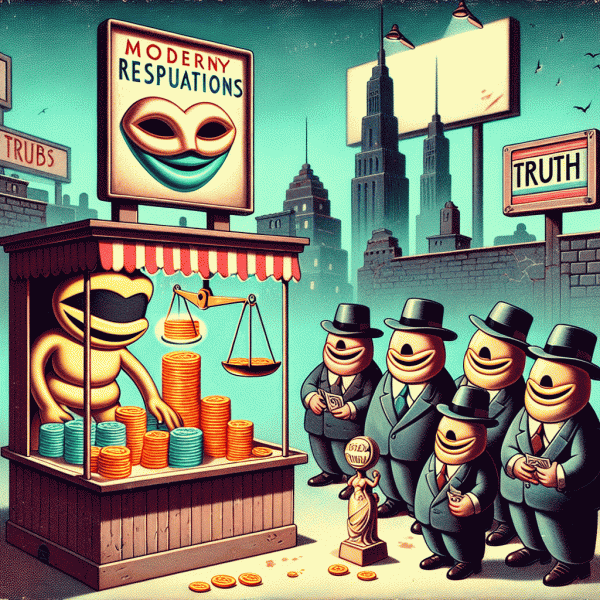
Think of the dark marketplace as less of a mythical bazaar and more of a well‑organised supply chain for credibility: small teams of writers, automated accounts, and pay‑per‑review platforms that turn neutral platforms into auction sites. Brands do not just slap a credit card down and expect miracles; the operation usually layers tactics to create depth and plausibility — dozens of accounts, staggered posting schedules, photo attachments, and even geo‑targeting so the activity looks locally authentic. The result is not just a single fake five‑star; it is a tapestry of interactions designed to survive basic scrutiny and to influence the curious buyer who trusts pattern over perfection.
How does a transaction go from a click to a crowd of positive voices? First, there are brokers who match merchants with reviewers: some are one‑off gigs on dark corners of freelancing sites, others are subscription services promising a steady stream of endorsements. Then come the mechanics that give the reviews teeth — review gating (soliciting feedback only from satisfied customers), incentivized micro‑tasks, recycled testimonials tweaked to avoid spam flags, and the use of aged accounts that can evade simple bot detection. More sophisticated sellers pad reviews with complementary social activity, replies, and fabricated purchase details so the narrative holds together under cursory inspection. Prices vary widely: a handful of reviews might cost a few hundred dollars, while multi‑platform reputation campaigns with content and engagement can climb into five figures. There is also an aftermarket: pay‑to‑remove services, where negative reviews are bargained away or buried under fresher, paid praise.
Spotting the scheme is half art, half data. Look for unnatural rhythms: a flood of five‑star reviews in a tight time window, similar phrasing across different users, or reviewers who have no other legitimate activity. Platforms are getting smarter, but so are the sellers: they use account farms that mimic realistic histories and mix in genuine interactions to mask the fraud. To help you triage suspicious clusters quickly, here are three practical checks you can run now — small tests that cut through the noise and point to paid activity:
- ⭐ Timing: Check the timestamps. Many paid reviews arrive in quick bursts instead of trickling in over months.
- 💬 Language: Scan for repeated phrases or oddly generic wording that could be copy‑pasted across reviews.
- 👥 Profiles: Inspect reviewer histories. Accounts with no purchases, few interactions, or identical avatars are red flags.
Knowing the tricks gives you leverage. Countermeasures include diversifying your own customer outreach so genuine reviews outnumber paid noise, using verified‑buyer tags aggressively, and documenting patterns to submit stronger reports to platforms. When applicable, pursue legal and policy channels: many marketplaces have terms prohibiting paid endorsements and will act on well‑evidenced complaints. Finally, invest in long‑term, human‑centric strategies that are hard to fake — loyal customer programs, community moderation, and transparent responses to criticism. Turn the energy that others spend buying applause into delighting real customers; not only does that undercut the market for purchased reputation, it builds something no black market can sell.
Inside the Grey Market: Review Rings, Fake Praise, and Ghost Management
Think of your brand as a small island; the grey market is the boat full of hired cheerleaders circling it. A handful of five-star shoutouts can flip a search result, but that applause often comes from review rings — tightly coordinated groups, copy-paste testimonials, or pay-for-praise brokers. They keep businesses afloat by gaming visibility: boosting averages, flooding comment sections, and creating fake backstories that feel human. The result? Shoppers see confidence, not the strings. That's why savvy brands should know the choreography: who pays, how the accounts move, and where enforcement falls short.
Review rings typically work like a relay. An organizer recruits micro-taskers or farms of sock-puppet accounts, distributes scripts and star counts, and doles out tiny payments per submission. Tasks get posted across forums, messaging apps, and shadowy marketplaces; members rotate IPs and tweak language to evade filters. The old trick is volume plus variance: enough reviews with slight differences to fool automated detectors. Beyond fake five-stars you'll find fake context — orders that never shipped, photos lifted from elsewhere, or timestamps bunched into suspicious clusters. Algorithms reward velocity, and that's the loophole these crews exploit.
Then there are the ghost managers: slick firms that sell reputation as a subscription. They don't just post reviews; they rewrite Google Business profiles, ghost-edit product pages, and seed positive mentions on blogs and micro-sites. Some play within rules, offering response templates and legitimate customer outreach; others cross the line by buying links, coordinating negative suppression, or sourcing armies from easy online tasks hubs to flood competitor pages. If you're not monitoring the attribution trail, you'll miss the off-radar edits that shape public perception.
- 🤖 Uniformity: Nearly identical phrasing across different reviewers is a red flag.
- 🚀 Velocity: Sudden spikes in five-star activity often mean coordination, not sudden love.
- 👥 Profiles: Empty bios, recent signups, or a string of reviews for unrelated locations betray farmed accounts.
How to fight back: instrument your brand with real-time alerts for spikes in reviews, require verification where possible, and build incentives for verified customers to leave candid feedback — small discounts, easy feedback links, or follow-up texts. Audit new positive reviewers for history and geography, respond publicly to odd praise (it exposes fakery), and partner with platforms when abuse crosses legal lines. Ultimately the best defense isn't a PR spin; it's a dependable product and a repeat-customer pipeline that drowns out rented applause. Keep your ears open and your playbook tighter than the rings themselves.
Legal and Platform Rules: Where the Line Is and How Not to Cross It
It's tempting to treat online reputation like an a la carte buffet—add five glowing reviews here, sponsor a handful of “niche” influencers there—and voilà, instant trust. The problem is the buffet is watched: regulators and platforms are fluent in the language of deception. False reviews, undisclosed paid endorsements, fake follower farms and impersonation all sit in the legal gray zone that easily becomes a red flag. Think less sly hustle, more ticking compliance grenade: the FTC, EU consumer rules and local advertising codes all expect transparency, and platform terms of service often ban the very tactics brands are renting to game perception.
Legal consequences aren't just hypothetical. Companies have paid big fines, been forced to publish corrective notices, and had marketing campaigns shut down mid-flight. Beyond penalties, there's the reputational damage of being caught—ironic, I know—with customers losing trust faster than any paid campaign can build it. How to avoid the boom? Make disclosure the default, get written agreements up front, and never obscure paid relationships. Use contract terms that require influencers to employ platform-native disclosure tools, keep records of payments, and document creative briefs: paper (or verifiable digital records) beats memory in court and in crises.
Follow this short, practical triage to stay on the right side of rules:
- 🆓 Disclose: Always label paid content clearly—#ad, “paid partnership” tags or in-stream disclosures that platform rules accept.
- ⚙️ Contract: Insist on written terms that specify deliverables, disclosure language, and a prohibition on using fake accounts or buying engagement.
- 💥 Archive: Save screenshots, receipts and approval threads; if something goes sideways, you'll want traceable evidence of intent and compliance.
Platform rules vary, so don't assume a tactic that worked on one channel will fly on another. Use a platform's branded tools for paid partnerships, register promotions or sweepstakes where required, and avoid third-party services that promise to inflate metrics overnight. Monitor your presence with alerts and periodic audits; when a platform flags content, escalate through their policy or partner team rather than attempting to hide or delete evidence. Finally, perform a quick internal audit: map every paid relationship, review contracts for compliance language, and run a quarterly spot-check of influencer disclosures. If anything smells off, pause campaigns and get a legal or compliance sign-off—prevention is cheaper (and less embarrassing) than reaction.
Ethical Alternatives: Earn Trust Fast Without Buying Buzz
If you want trust fast, hustle smarter, not louder. Start by making your promises impossible to misread: a clear price, an obvious contact method, and a simple, visible refund or satisfaction pledge. Those sound like basics because they are — and when you deliver them consistently, people notice. Use plain language in your policies, show real photos of your product or team, and make the path from interest to purchase delightfully frictionless. The trick is to replace suspicion with obvious, repeatable proof that you do what you say.
Social proof doesn't need to be invented — it needs to be invited. Ask satisfied customers for a short quote after delivery, then turn those quotes into on-site snippets and quick social posts. Feature one real story a week: a before/after, a two-sentence video, or a handy tip from a user. Authentic micro-testimonials outperform manufactured five-star blocks because they feel human. Encourage customers to share photos and tag you, then reshare with gratitude; user-generated content is persuasive because it's earned, not bought.
Speed is a credibility hack. Fast replies, overt timelines, and a predictable onboarding experience calm nerves and create momentum. Tell people when you'll respond and then beat the clock: same-day acknowledgment, a clear next step, and a helpful follow-up are memorable. Pair these with a public problem-resolution approach — acknowledge issues transparently and show how you fixed them — and you'll build trust faster than any promo campaign. A strong guarantee or trial period also takes risk off the table and lets your work do the convincing.
Partnerships and content are your strategic shortcuts. Collaborate with a complementary brand or an honest micro-influencer who aligns with your values; a sincere endorsement from a peer carries more weight than polished celebrity posts. Host a short webinar or co-created guide that solves a real customer problem — you'll get leads and social proof at once. Publish one high-value, actionable piece of content per week that solves a tiny, urgent problem for your audience; overtime, search and referrals will do the heavy lifting.
Finally, measure everything and iterate. Track what earns replies, what converts, and which stories get reshared; double down on what moves the needle. Run a 90-day trust sprint: fix the message, collect five fresh customer stories, tighten onboarding, and launch one collaborative event. Celebrate small honesty wins publicly and watch them compound. If you want fast credibility that lasts, choose repeatable, human-first moves over shortcuts — the payoff is speed with staying power.
Spot the Tells: Red Flags of a Reputation That Was Bought
There's an art to spotting a polished façade that was actually bought — think of it as reading the seams on a designer knockoff. Start by trusting instincts: if everything about a brand's profile smells a little too perfectly curated, treat that like a blinking neon sign. Look for uniform praise with identical phrasing, accounts that sprout overnight, or glowing one-liners that never stray past a marketing slogan. Those are the equivalent of stage makeup: effective from a distance, but messy when you inspect closely. Keep your eyes on timing, tone, and texture — three tiny detectives that reveal whether sentiment was grown organically or manufactured in a PR lab.
When you want to move from suspicion to evidence, use a quick checklist that surfaces the most telling patterns. Run a fast sweep across review timestamps, reply patterns, and user bios. Pay attention to whether comments arrive within minutes of each other (a red flag) or whether replies echo the brand's boilerplate language like parrots. Also watch for a lack of negative nuance: an honest community usually has messy, real voices. To make this actionable, here are the three high-signal clues that often confirm a bought reputation:
- 🆓 Timing: Reviews clustering in short bursts — especially late-night or identical-minute spikes — often point to batch posting or paid campaigns.
- 🤖 Voice: Repeated sentence structures, canned praise, or responses that never address specifics are classic signs of automation or script-fed freelancers.
- 💬 Depth: Shallow comments with zero detail — picture-perfect stars without stories — suggest reputation building rather than real customer experience.
Once you've identified these tells, you can take concrete steps: map the suspicious accounts, archive examples, and compare against known organic patterns (diverse vocabulary, varied lengths, real complaints and fixes). If you're auditing a competitor, use metadata and third-party tools to quantify anomalies before calling anything out publicly. If it's your own brand, clean house: stop the practice, respond transparently to discovered fake praise, and invest in genuine community recovery — honest engagement beats a glittering fake every time. Think of exposure as an opportunity: brands that admit flaws and fix them build trust that no bought review can ever purchase.