Turn free time into fee time: microtasks that actually pay
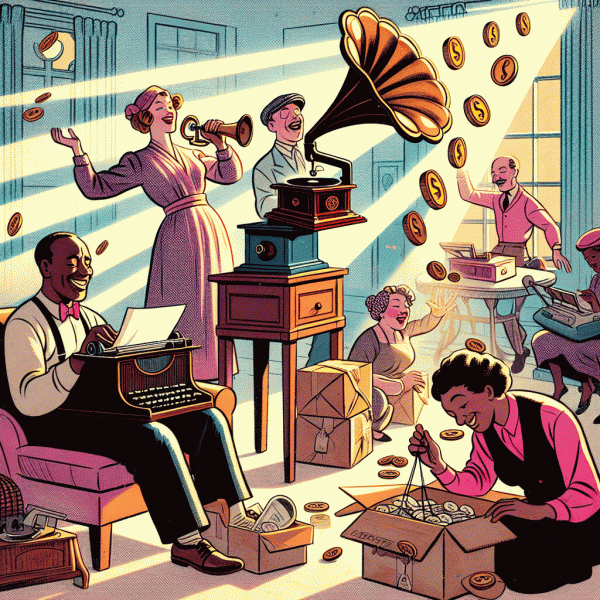
Think of your phone as a tiny ATM for short attention spans. When an hour of TV feels wasted, swap ten-minute sprints of microtasks and watch pennies turn into something that actually pays. These bite-sized jobs—testing search results, transcribing a few lines of audio, tagging images, or answering short surveys— don't need cash to start, only focus and a reliable Wi‑Fi signal. The secret sauce is scheduling: microtasks plug into the tiny gaps in your day (coffee queues, bus rides, kids' snack-prep windows) so you're monetizing minutes that would otherwise evaporate. Because the trick isn't finding opportunity; it's finding the right ones, learning their patterns, and turning scattered spare moments into a steady drip of cash.
Start smart and treat it like a mini-business. Pick two platforms you enjoy, learn the workflows, and track your earnings for a week so you know what actually pays. Aim for tasks that deliver at least $0.10–$0.25 per minute of effort; anything lower becomes a time sink unless you're doing it purely for fun. Use batching—do all similar items back to back to eliminate context switching—and build templates or canned responses for repetitive prompts. Set a 25‑minute sprint timer, then give yourself a 5‑minute break; you'll be amazed how much more you get done. If you can reliably hit $6–$12 per hour as a starting target, scale up the tasks that got you there. Keep approval ratings high by following instructions precisely, communicate clearly when required, and prioritize gigs that offer bonuses for speed or accuracy. Finally, automate the admin: a dedicated email filter, a spreadsheet to track pay rates, and scheduled withdrawals to avoid letting small earnings vanish into platform wallets.
- 🆓 Quick: Micro-surveys and short app tests are perfect for five-to-ten-minute windows. They're low-effort, high-frequency, and great for learning which survey types actually pay out reliably.
- 🚀 Fast: Short transcription snippets, captioning, and voice checks reward accuracy and playback mastery. A few keyboard shortcuts and a comfortable set of earbuds pay off fast in speed and cash.
- 💥 Scale: Review tasks, image labeling, and longer data batches let you stack multiple sessions into predictable earnings. Once you're accurate, platforms often give you more consistent work, which is the closest thing microtasks have to "steady."
Microtasks won't replace a full-time income overnight, but they're a realistic, zero-investment strategy to convert dead time into measurable cash. Protect yourself: avoid gigs that demand upfront fees or bank details, read community reviews, and watch out for tasks that require long onboarding for tiny pay. Keep records for taxes—many platforms will send forms once you hit thresholds—and consider routing earnings to a separate account or a labeled savings jar so the money is visible and useful. Consider turning the best-paying task types into mini-skill improvements—sharpening typing speed, accuracy, or short-form reviewing technique increases your effective rate without spending money. Try a focused experiment: block seven consecutive days of short sprints and compare your hourly results. You'll end up with a better sense of which bits of time are most valuable, and a growing stack of small wins that add up faster than you think.
From inbox to income: quick-start freelance gigs
Think of your inbox as a tiny storefront where prospects land every morning. Start by offering ultra-specific, email-friendly services that need zero tools and deliver fast wins: subject-line testing for cold emails, one-page resume rewrites, short newsletter curation, quick proofreading, and 30-minute virtual assistant shifts. You can use Gmail, Google Docs, free Canva templates and a plain Notion page for samples—no subscription required. To get traction, create one tidy example for each service (save them as PDFs) and attach them to outreach messages. Keep your pitch razor-clear: What I fix: brief benefit + How long: 24–48 hours + Price: fixed flat fee. That structure removes guesswork for clients and forces you to be specific enough to get a reply.
Landing the first gigs doesn't require ads or a portfolio full of paid work. Scan your email for former coworkers, old classmates, or newsletter signups—start by replying with a short, helpful note that attaches a sample. Slide into DMs on LinkedIn, Twitter/X or community Slack channels with a one-sentence offer and your sample PDF. Job boards like Upwork, Fiverr, and micro-gig subreddits are fine for quick wins; filter for requests with tight deadlines and low competition. Use a simple outreach message you can tweak quickly: Hi NAME — I noticed you need X. I can improve Y in 24 hours and charge Z. If you'd like, I'll send a quick sample. Personalize one detail and you raise your odds of a reply dramatically.
When pricing and closing, think predictability: clients love knowing exactly what to get and when. Offer fixed-price bundles (proofread + 3 subject lines; resume + 1 optimization call) and a clear turnaround time. Don't undersell skills—start modest but reasonable, then raise rates after one or two good testimonials. Ask for permission to share anonymized results as a public sample or to quote a short testimonial when the job is done. Invoice with free tools (PayPal, Venmo, or a free Stripe invoice) and include a short contract line in the email: deliverables, delivery date, and a refund policy. Little professional touches reduce friction and let you charge more without spending money.
To scale without spending, turn repeat one-offs into predictable income streams: automate follow-ups with canned email templates, save outreach copy in Notion, and create a tiny onboarding checklist you paste into every new client message. Block two-hour windows for batch work so you're fast and consistent, then use those wins to craft two case studies that live on a free Notion or Google Doc link. Treat every reply as a lead—ask for referrals, offer a small discount for the next job, and convert quick gigs into monthly retainer tasks like weekly newsletter edits or an inbox triage hour. Start tonight: pick one service, draft a one-line pitch, attach a sample, and send five messages. That's how inboxes turn into steady cash, one friendly note at a time.
Declutter for dollars: sell, swap, and ship with zero upfront
Clearing space can feel like therapy, but it can also become a tiny revenue stream if you treat it like a micro business. Start by creating a triage pile: sell, swap, or recycle. Photograph items in natural light with a clean background, list dimensions and condition honestly, and lead with one attractive detail that makes a buyer stop scrolling. Pricing is a dance between speed and payoff; if you want cash in hand by the weekend, price lower than the sentimental value and higher than the scrap price. Add a simple return policy and fast communication to turn browsers into buyers. Little polish goes a long way: a quick dust, a fresh battery, or a new strap can bump your price without costing a dime.
Here are three low-friction tactics to move things out fast and free
- 🆓 List Free: Use platforms that do not charge insertion fees so every sale is profit. Title clearly, tag properly, and crosspost where allowed.
- 🐢 Bundle Smart: Offer multipacks for slow-moving items to speed turnover and reduce shipping work.
- 🚀 Ship Cheap: Use regional carriers, flat-rate boxes, and free packing materials from local stores to cut postage outlays.
If you need extra help with pickup, delivery, or last-mile errands consider pairing the cleanout with gig work. For short errands like dropping off a package or doing local swaps, sign up on task apps that pay and pick up delivery gigs between listings. When writing your listing copy, use searchable keywords, include honest flaws, and offer quick-response perks like same-day pickup windows. For high-ticket items take measurements, include receipts or appraisals if available, and consider escrow services or meeting in secure public places. Keep records of sales for taxes and track which listings got bites so you can replicate the winners.
Finally, think beyond single sales. Swap items through neighborhood groups to avoid fees, consign higher-end goods to local shops that handle staging, and donate what does not sell for a tax write-off. Make a weekly routine: sort one shelf, photograph the finds, post three items, and schedule one pickup. With a little system and a few free tools you will turn clutter into cash, save time, and keep the momentum going without spending a cent up front.
Teach what you know: tutoring and coaching from your kitchen table
Teaching from your kitchen table is less about perfect production and more about clarity and personality: pick one thing you do well—algebra tricks, conversational Spanish, interview prep, guitar chords, career pivot coaching—and package it into a tidy, repeatable session. Start with a 30-minute intro that proves value: a fast win that makes people want more. You do not need studio lights or fancy software; a smartphone propped on a mug, natural light, and a clear lesson plan will do. Treat the first week like a product launch: decide your audience, outline three outcomes students can expect after three lessons, and set a fair, testable price for the launch period.
Set up in under an hour with only free tools and a little elbow grease. Create a simple one-page bio and offer a free 15-minute discovery call to break the ice. Use free scheduling tools and video platforms, accept instant payments, and prepare a repeatable lesson flow so back-to-back bookings are painless. To make it even easier, remember this tiny checklist:
- 🆓 Prep: Draft a 30-minute lesson plan with a clear objective and one takeaway exercise.
- 🚀 Platform: Use Zoom, Google Meet, or WhatsApp for live calls and a free Calendly or Google Calendar link for bookings.
- 💬 Pitch: Offer a short free intro, publish a plain-language listing on local groups and tutoring sites, and accept payments via PayPal, Venmo, or Cash App.
Once you have bookings, optimize for repeat business: ask for feedback, collect short testimonials, and offer small packages (three sessions for a discount) or group classes to boost hourly earnings. Structure sessions in predictable chunks—10 minutes review, 15 minutes new material, 5 minutes practice and next steps—so students see progress and you can batch prep. Use simple follow-up messages and one free PDF resource to capture emails and encourage referrals. Keep records of lessons and payments for tax time, and after a few paid sessions raise your rate slightly to test demand. In short: teach one focused lesson this week, get paid, collect feedback, and tune the offer—no bank account drained, just your time turned into income at your kitchen table.
Passive-ish paydays: cash back, surveys, and referral stacks
Think of these gigs as gentle money magnets that sit in the corners of your life and quietly collect spare change. They will not make you a millionaire overnight, but they will turn grocery runs, binge breaks, and leftover minutes between meetings into tiny paydays. The trick is to treat them like a side routine rather than a side job: configure once, let automation do the heavy lifting, and check in weekly to harvest what accumulated. Small, consistent moves beat intermittent wild swings every time.
Start by choosing one reliable cashback system and one lightweight survey app. Link your usual card to a retailer portal, install a browser extension that auto-applies coupons, and turn on receipt scanning in apps that reward purchases. For surveys, pick platforms that pay in gift cards or direct deposit and filter for higher-paying studies so your time per dollar is not tragic. Use strong passwords and a dedicated email label so these streams do not clutter your main inbox. The goal is to minimize friction so you actually follow through.
List and stack smartly to squeeze more out of the same purchase:
- 🆓 Cashback: Activate merchant portals, add browser extensions, and pick cards that give bonus categories. Run a quick search for welcome offers before any big buy.
- 🤖 Surveys: Batch them into focused sessions and use autofill to save time. Prioritize higher payout opportunities and decline low-value junk to keep your hourly rate acceptable.
- 👥 Referrals: Share referral links where they make sense and keep swipe copy ready. Each successful sign up is often the highest-value click you will get for zero cost.
Make stacking routine: combine point rates, single-use promo codes, and cashback portals whenever possible. Before checkout do a three-second checklist: is there a coupon? Is the purchase routed through a cashback app? Will my card yield bonus points for this category? Use calendar reminders for recurring subscriptions that you can claim a kickoff bonus on, and set aside a weekly 10 to 20 minute timeslot to redeem rewards, transfer balances, or request payouts. Small rituals keep the pipeline flowing and prevent rewards from expiring or sitting idle.
Finally, treat this like a light experiment. Track what each channel yields for a month, kill what underperforms, and double down on the winners. Even conservative setups can add up to a noticeable boost to groceries, streaming bills, or your rainy day fund. Give it 30 days of low-effort consistency and you will be surprised at how the nickels and dimes stack. No investment required, just a little strategy and a pinch of persistence.