The Hidden Casting Call: How Platforms Pick Winners (and Sideline the Rest)
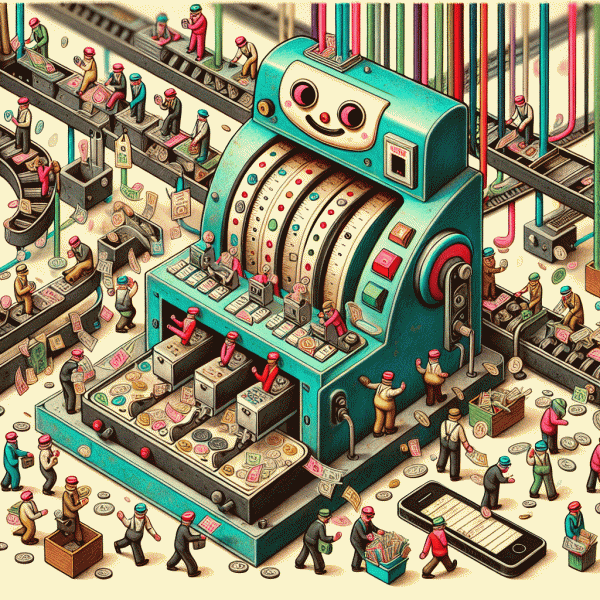
Think of the platform as a casting director who never sleeps and communicates mostly with numbers. Tasks are not given to the most charming actor on paper but to the profile that best matches a stack of opaque signals: prior acceptance rate, time to complete, device type, geographic cluster, and tiny behavioral nudges that read like stage directions. Early completions get a spotlight; a handful of neat, quick hits can create a feedback loop where visibility begets more work and better metrics, and better metrics beget even more visibility. Meanwhile, competent people who do not match the initial profile fall into a limbo where quality alone does not win the role.
Under the hood, three levers decide who gets cast and who waits backstage. These are the ones to watch as you tune your approach:
- 🆓 Early: Platforms reward fast starters. The first performers to finish tasks often get prioritized for similar work because the system assumes higher reliability.
- 🚀 Momentum: A streak of accepted hits increases algorithmic trust. Little wins compound into a trust multiplier that unlocks higher paying or exclusive gigs.
- 🤖 Signals: Nonhuman cues like IP consistency, device stability, and historical interaction patterns matter. They are silent referees that can overrule a great score if other indicators look risky.
This is not meant to be discouraging; it is tactical. Treat the interface like a stage manager and optimize for the signals the system rewards. Show up fast and consistent: complete small tasks quickly to seed positive metrics. Standardize your setup so device and connection patterns are predictable. Curate the first few pieces of work with extra care to reduce rejections. Track which requesters favor certain response styles and replicate those formats. Finally, diversify your presence across microtask pools so you do not depend on a single casting director for all your income.
Remember that selection is partly structural, and that is why community strategies matter. Swap notes on requester quirks, templates, and timing windows. Consider building a parallel funnel by collecting samples of your best microtask outcomes and offering them in a portfolio or tiny gigs that you control. If you meet the system halfway—by aligning your habits with the visible rewards—you tilt the hidden audition in your favor without selling out your standards.
From Pennies to Paydays: What Separates Top Earners from the Crowd
Most people treat tiny tasks like spare change: pick them up, stash them, forget about them. Top earners treat the same tasks like coins that can be minted into currency. The shift is not mystical. It is a mindset plus a handful of repeatable moves. Instead of hopping from job to job with no plan, high earners build a small economy around their time. They know which micro gigs lift their hourly rate, which platforms reward longevity, and which chores are pure time sinks. That awareness lets them stop chasing volume for volume sake and start engineering payouts that feel more like paydays.
Concrete differences show up in everyday choices. Specialists win more than generalists because specialization lets you charge for rare speed and quality. Winning workers refuse work that erodes effective hourly pay; they raise minimum rates and use profiling to attract better gigs. Repeat clients and referral pipelines matter more than leaderboard vanity. High performers also package value: a bundle of tasks becomes a mini service with a higher price point and less application friction. Do not be shy about dropping low margin tasks and leaning into services that let you reuse effort.
Small process improvements compound fast. Create simple templates and short scripts, batch similar tasks, and measure real hourly output with a timer for a week. Automate the boring bits so attention focuses on the parts that actually require human judgment. When you are ready to scale, turn repeatable work into a documented process that can be delegated or outsourced. Try these practical levers to move the needle:
- 🚀 Niche: Narrow your focus to a specific task type or industry to become the obvious hire for higher paying gigs.
- 🤖 Tools: Use small automations, keyboard macros, and quick templates to cut setup time and raise throughput without burning energy.
- ⚙️ System: Batch similar jobs, enforce a minimum rate, and keep a one page SOP so you can hand off or scale when demand grows.
Start with a mini audit this week. Pick one platform, record your time for three days, and compute your effective hourly rate after fees and taxes. Then pick one change to experiment with: raise your minimum rate by 20 percent, add a short onboarding message that screens out bad clients, or create a two minute template that saves five minutes per task. Track the result and double down on what increases yield. Tiny, repeated improvements are how pennies become paydays. If you treat micro work like a craft and a small business at once, the math flips in your favor and the people cashing in will include you.
Algorithms, Badges, and Timing: The Secret Sauce of Task Visibility
On most micro-task platforms visibility is not accidental; it is manufactured. Behind the neat list of gigs sits an algorithm that decides who sees what, when, and why. The platform tends to favor a mix of recency, response speed, completion accuracy, and visible trust signals, so two workers with the same skills can get wildly different pipelines simply because one learned how the engine thinks. That is good news: unlike raw talent, these signals are learnable. Begin by watching the feed for a few days and noting patterns: which task titles climb to the top, which requesters prefer bid comments, and which profiles carry the little icons that seem to trigger clicks. Then tweak availability, adjust headline keywords, and turn on the alerts that put you first in line when the algorithm refreshes.
Algorithms are not mystical; they are incentive systems. Many platforms reward quick acceptance (fast responders get the first crack), high completion rates (low rejection rates are magnets), and consistent task duration (finishing within expected time windows reduces your risk score). Practical steps create outsized effects: set short-burst work sessions to boost response time, always follow the instructions to the letter for higher acceptance, and avoid guessing on qualification questions that could trash your accuracy metric. Use platform filters to surface niche tasks where competition is lower, and consider multiple accounts of activity across a few reliable requesters rather than chasing the whole feed at random.
Badges are the tiny trust engines that turn invisible reputation into visible advantage. A badge might mean you are a vetted transcriber, an accuracy champion, or a long-term helper who never disputes. Visually they catch the requester eye and algorithmically they signal lower risk, so getting the right badge can increase both invites and task ranking. Earning badges is rarely mysterious: complete badge-eligible sets, keep quality above thresholds, and engage with community checks or qualification tests when available. If a badge requires a streak, prioritize those tasks early in your session; if it requires a high approval percentage, do a quality sweep on your recent submissions to correct small errors before they compound.
Timing is the final amplifier. Platforms have rhythm: mornings in requesters timezones, post-lunch surges, and late-night cleanups where slower gigs surface. Map those windows and create a repeatable schedule that hits the freshest floods. Combine a short morning sprint aimed at new listings with a midday consistency push focused on badge-earning tasks, and an evening cleanup for longer jobs that benefit from lower competition. Automate what you can—notifications and saved filters—while keeping quality checks manual. The simplest daily routine that respects the algorithm beats sporadic heroics: show up predictably, complete reliably, and nudge your profile with small badges and fast responses. Do that and the visibility that once looked like luck will start looking like strategy, and the payout will follow.
Geo-Arbitrage 101: Why Location Can Make Your Side-Hustle Soar
Think of geo-arbitrage as a freelance cheat code: you tap into global pay rates for short, repeatable gigs while living somewhere the rent is measured in smiles, not mortgage payments. Micro-tasks—anything from transcription and simple data labeling to quick design tweaks or UX testing—are perfect for this because they're portable and measured in tiny time chunks. That means a $5 task that feels trivial in Manhattan can stretch into real purchasing power in a small coastal town or inland city with a lower cost base. The trick isn't just finding high-dollar clients, it's structuring your flow so you consistently earn at global rates while your expenses stick to local, cheaper realities. Doable? Absolutely.
Start by mapping your personal break-even: how much you need per hour to cover essentials, fun, and savings. Then reverse-engineer which micro-tasks pay that number or higher. Use platform filters and small qualification tests to find gigs that reward speed and accuracy—think short surveys, image-tagging batches, or rapid QA checks. Experiment with pricing strategies too: charge per task when speed is your superpower, charge per outcome when complexity creeps in. Track your real hourly rate for a week—include time lost to switching apps and communication—and ruthlessly cut tasks that fall below your target. Small changes compound: a five-dollar bump across dozens of gigs becomes a meaningful monthly raise.
Lean on timezone and tech advantages like a pro. If clients live in peak markets, offer early-bird or late-night windows to be the first to complete time-sensitive micro-tasks—those wins often get repeat work. Use templates, text-expansion tools, and macro scripts where allowed to shave seconds off repetitive steps without sacrificing quality. Batch similar tasks to maintain flow state: your accuracy goes up and your turnaround goes down, which increases demand. Build a portfolio of micro-samples so you can pitch faster and skip low-paying test tasks. And don't underestimate the power of a crisp, human follow-up message—sometimes a small personal touch turns a one-off into a steady stream.
Watch out for common traps: payment friction, shrinking task pools, and currency flux. Use reputable payment rails that minimize fees to your local bank, or keep a split strategy with a stable-currency account for savings. Legally, check local tax rules for gig income and keep simple records—five minutes weekly saves headaches later. Diversify platforms to avoid over-reliance on a single marketplace that can change rules overnight. If a platform's rates tank, you'll still have other channels. And build a tiny buffer: three to six weeks of expenses protects you if volumes dip while you pivot to higher-value micro-services.
Ready for a mini action plan? Pick one high-paying micro-task type, commit to a two-week trial, and log every minute and dollar; aim to improve your effective hourly by 20% in week two. Reinvest gains into a skill that scales—good quality boosts client trust and lets you raise rates. Keep measuring: effective hourly, churn rate, and client repeat rate will tell you whether you're arbitraging smartly. With the right combo of discipline, simple automation, and a mindset that treats location as leverage, those tiny tasks add up into meaningful income. Think of it as building a money machine with pocket-sized bricks—clever placement, steady stacking, real returns.
Level Up Fast: Actionable Moves to Boost Your Micro-Task Earnings This Week
Think of this week as a lab for smarter micro tasking. Start small: spend one hour polishing profiles and hunting down qualification tests on two platforms. Add clear keywords, upload a decent avatar, and showcase three short examples of past work or a micro demo file. Then set a simple target that is both numeric and time bound, for example complete twenty vetted tasks that pay above your personal floor and track the time spent. That tiny change from random clicking to intentional targeting will filter out the time sinks and surface the tasks that actually move the needle.
Next, refine the mechanics of how work gets done. Build two or three reusable snippets for common responses and keep them where they are one keystroke away. Install autofill and a trusted task helper extension, and batch similar tasks into 20 to 40 minute sprints with short breaks between. This reduces context switching and boosts speed without sacrificing quality. Pair time boxing with a quick checklist for each task so accuracy remains high; reputation rises faster than raw speed, and higher reputation opens better-paying work.
Be strategic about the kinds of tasks to pursue. Some micro gigs are commodity level and will always be low paying; others act as gateways to better work. Spend part of this week earning the right badges and passing niche qualification tests in areas like audio transcription, content moderation, or usability clips. Those credentials unlock higher-tier tasks and specialty work that often pays multiples of the baseline. If a task consistently consumes brainpower without commensurate pay, cut it and reallocate those minutes to a few targeted qualifications or to platforms that reward accuracy and speed.
Finally, measure and iterate. Create a one-sheet earnings tracker with columns for task type, pay, time, and effective rate; update it daily and review at the week end. Look for the highest paying 20 percent of tasks and aim to double the minutes spent on those in week two. Use referral bonuses and platform promos as short term boosts, but treat them as fuel for the longer game of reputation building and qualification stacking. Try a single one-week experiment: make only the changes above and compare results. Small structural moves delivered consistently are what turn micro tasks from spare change into a reliable, bankable stream.