Meet the Earners: Students, Parents, Night Owls, and Digital Nomads
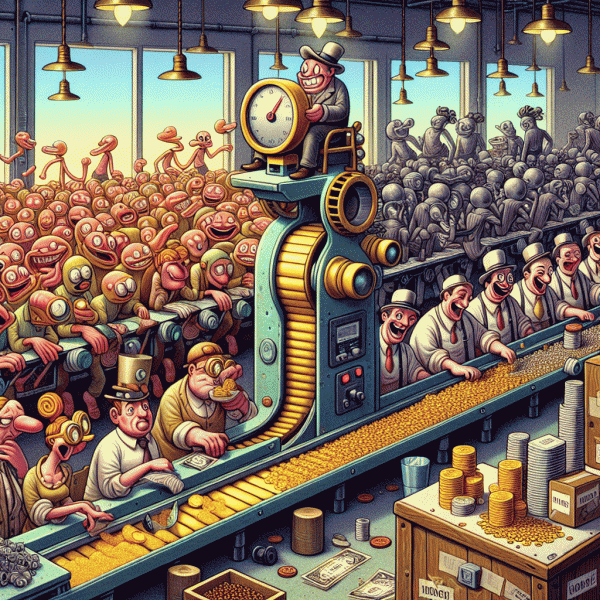
Think of the micro task ecosystem as a bustling cafe at dawn: different faces, different orders, all using the same counter service. Some are polishing a quick latte between classes, some are refilling a sippy cup and answering a survey while pasta cooks, others are typing away when the rest of the world sleeps, and a few are logging into five platforms before breakfast in a beachside apartment. Each group comes to micro tasks with distinct constraints and opportunities. Understanding those patterns explains not just who pockets the little wins, but why tiny tasks can add up into real cash for some and remain noise for others.
Students: These earners trade small chunks of time for small sums while learning how to monetize attention. Actionable moves: limit sessions to 25 minutes to protect focus, prioritize tasks with clear pay per minute, and batch similar tasks to reduce cognitive switching. Prioritize work that builds a reputation score since higher scores unlock better pay tiers. Keep a simple spreadsheet that tracks platform, task type, and net hourly rate so it is easy to drop low performers and double down on the winners during exam lulls.
Parents: Flexibility is everything. Short tasks that allow pausing, mobile-friendly interfaces, and predictable payouts fit best into nap schedules and between pickups. Set up automated alerts for high-pay opportunities and use downtime to complete slightly longer tasks that pay better per minute. Treat micro tasks as gap income, not a main gig: decide a weekly earnings floor that justifies the time investment and use tasks for predictable extras like groceries or utilities. A little automation in payments and a clear hourly baseline will prevent scavenging for cents when time is scarce.
Night owls and digital nomads: These earners have a timing advantage and a location advantage. Night workers can exploit lower competition windows to snag steady batches, while nomads can arbitrage regional demand by targeting tasks that value native language and cultural fluency. Practical tips: test platform activity by logging shifts across several late-night windows, keep a backup mobile hotspot to avoid losing earnings, and diversify platforms so one outage does not erase a whole night of work. Track tax and payout rules across jurisdictions and maintain a simple emergency fund so micro task income remains a flexible supplement rather than a fragile lifeline.
Across all profiles the pattern is the same: treat micro tasks like an experiment with metrics. Set a time budget, track effective hourly rates, iterate toward the best task types, and protect time with strict start and stop rules. Over time small, consistent tweaks transform what looks like spare change into intentional side income. If nothing else, start with one 30 minute session, measure the outcome, and consider whether that rhythm scales into something worth repeating. The profiles above are different playbooks for the same goal: turning tiny actions into meaningful money.
Task Economics 101: What Pays, What Flops, and How to Stack Wins
Think of task economics like a tiny, very opinionated marketplace. Each micro job advertises a sticker price, but the real payment is the effective hourly rate after you factor in the platform cut, the time it takes to qualify, the approval lag, and the mental tax of context switching. A ten cent image tag can be lucrative if you can do fifty in ten minutes, and a five dollar survey can be a flop if it has a baffling screening funnel that eats twenty minutes. The trick is learning which tasks behave like sugar highs and which are slow burn staples that reliably add up.
Start with a quick audit: time a few tasks end to end, log rejections, and calculate your actual minutes per dollar. Filter out tasks whose math leaves you below your personal threshold; treat that threshold like rent you must pay. Hunt for tasks with bonuses for speed or accuracy, because those shift the math in your favor. Build small repeatable routines for the most common task types so muscle memory replaces decision fatigue. Finally, use qualification tests strategically: they gate access to higher paying work, so invest a little time once to unlock a steady stream of better gigs.
When you stack wins you are really stacking marginal gains. Small optimizations compound fast. Consider these simple pillars to prioritize:
- 🚀 Speed: Lean templates and keyboard shortcuts cut minutes into seconds, turning low pay per task into decent hourly pay.
- 🐢 Patience: Accept that some tasks require a learning curve; initial pay may look bad but accuracy bonuses and reputation gains often follow.
- 💥 Multiplier: Focus on tasks that offer multipliers like batch bonuses, referral rewards, or unlockable higher tier tests.
Operationalize your micro job hustle. Block short, focused sessions when you are least distracted, rotate between tasks to avoid fatigue, and keep a running spreadsheet with time stamps so you can spot trends and abandon chronic low yield work. Scale by specializing: get really good at a narrow set of tasks and you will be invited into private pools or higher paying batches. Finally, treat this like a business: track income, plan for taxes, and reinvest time into building qualifications and tools that turn one hour of learning into many hours saved. With the right filters and a tiny bit of craft, micro tasks shift from coin tosses into a reliable, understandable income stream.
Platform Power Plays: Rankings, Reviews, and the Bonus Game
Think of the major gig marketplaces as high school cafeterias where visibility determines who sits at the cool table. Algorithms rank workers, reviews amplify reputations, and bonus schemes act like free pizza nights that attract crowds. Together these mechanics create more than a way to assign simple tasks; they shape who gets steady work and who chases crumbs. That is the real lever behind earning inequality in micro-tasking: small design choices on the platform level escalate into large differences in real income, and the people who learn the rules get to pick their seats.
The mechanics are deliberate and predictable. Rankings surface profiles with strong completion rates and positive feedback, meaning that early wins compound into more opportunities. Review systems gatekeep quality signals, and because many requesters copy those cues, a handful of top-rated workers are prioritized for high-pay or high-bonus tasks. Bonus games add another twist: platforms use time-limited incentives, referral rewards, and tiered payouts to nudge behavior. Some of these nudges are benign, like encouraging faster turnarounds; others create inequities, like awarding bonuses mainly to those who can work at certain hours. Meanwhile, review inflation, reviewer bias, and opaque score formulas let reputation be gamed by both workers and requesters, which often benefits insiders.
If you are doing micro-tasks and want to tilt the odds in your favor, take practical steps that map to how platforms think. First, treat reputation as currency: complete simple, high-acceptance jobs quickly to build a string of clean submissions and five-star feedback. Second, be tactical about timing: showing up early on newly posted tasks increases the chance to capture surge bonuses and snag tasks before they trickle down. Third, make polite, concise communication a habit; requesters who get clear answers are more likely to tip or invite repeat work. Fourth, keep a short set of templates and macros for common answers so you can maintain quality at speed without burnout. Finally, diversify across two or three compatible platforms to avoid being entirely dependent on a single algorithmic gatekeeper. These actions do not require insider access, but they do require discipline and a willingness to treat micro-tasking like a small business.
Platforms and policymakers also matter here. Greater transparency about ranking signals, clear bonus allocation rules, and independent audit logs would reduce the luck factor and reward merit more consistently. Small interface changes, such as showing estimated acceptance rates or anonymized reviewer rationale, could prevent skewed distributions of work. For researchers, tracking how bonus schemes shift income percentiles over time will reveal whether incentives are closing gaps or widening them. For workers, the message is simple and empowering: learn the game mechanics, adopt a few disciplined practices, and push for clarity where you can. The micro-task economy may be small in scale per job, but platform power plays decide who ends up earning as if each tiny piece were a full paycheck. Play smart, and you will turn marginal advantages into meaningful gains.
Speed Without Burnout: Routines Top Performers Use to Multiply Earnings
Speed alone does not equal profit. Top micro task performers treat velocity like a precision instrument: tuned, lubricated, and used with restraint. They begin each session with a five minute setup that is part ritual and part quality control. A clean workspace, a checklist of the platform rules for the job, and a short scan of what paid highest yesterday create a runway for faster, steadier work. The point is not to sprint forever but to run many short sprints that hit high accuracy and low friction.
Routines that scale speed without burning people out are built from patterns rather than hacks. Think of them as small operating systems you can carry between platforms: quick morning triage to pick the best tasks, strict timeboxing to avoid attention leaks, and checklists that reduce cognitive load. Performance gains come when habits compress error correction and increase confidence, so repeatable micro rituals matter more than one off tricks. Keep a simple spreadsheet of task times and acceptance rates and review it weekly; data stops you from guessing and starts you from grinding.
Below are three core rituals many high earners adopt. Try one at a time and measure the effect for a week.
- 🚀 Batching: Group similar jobs and process them in blocks to eliminate context switching and boost throughput.
- 🤖 Automation: Use templates, text expansion, and scripts for repetitive steps to cut seconds into savings.
- 🔥 Recovery: Schedule short, active breaks that reset focus so speed does not become sloppy work.
Practical schedule advice is simple and flexible. Match task type to energy cycles, put mentally heavy tasks in a prime hour, and reserve low attention chores for late afternoons. Before starting a new platform or task type run a three task probe to set realistic pacing. When you find a reliable rhythm, scale by increasing batch size or by adding parallel subtasks that do not multiply cognitive load. For platform scouting and to compare earnings models use resources like top-rated gig platforms to find tasks that reward both speed and quality.
Finally, treat every routine as an experiment with a clear metric. Pick one change per week, log time and acceptance rate, and iterate. Speed that is not measured will fade into busyness without reward. The most successful micro task earners combine good tools, simple scorekeeping, and recovery rituals so they can multiply income while keeping energy and sanity intact.
Spot the Scams: Red Flags, Green Lights, and Safer On-Ramps
Think of the micro-task world like a flea market at midnight: bright promises, mysterious vendors, and a few stalls where the goods are clearly counterfeit. The quickest way to separate the hustle from the honest work is to learn the signature red flags. If a platform asks for money up front, guarantees impossibly high hourly rates without showing how tasks are priced, pressures you to move communication off-platform, or demands personal documents before any verified payment, walk away. Watch for vague job descriptions that ask you to buy items, resell things, or perform "research" that sounds like account harvesting. Phishing and fake payment screenshots are common—if people can't show verifiable payment records, that's a major warning light.
Now for the small victories: the green lights that make a platform worth a test. Transparent task lists, clear pay-per-task or pay-per-time rules, multiple verified payout methods (PayPal, direct deposit, gift cards listed openly), and a public reputation or rating system are all good signs. A responsive support channel, published terms of service that include dispute resolution, and a visible history of payments or worker testimonials increase trust. App-store listings with lots of real reviews and companies that link to verifiable corporate pages or press coverage deserve bonus points. Nobody's perfect, but when the platform makes it easy to confirm who pays, how much, and when, you're on firmer ground.
Before you commit real time, try a few safer on-ramps: create a burner email and a separate payment account for trials, and start with the lowest-risk tasks so you can confirm payout flow and estimated effective hourly rate. Document everything—screenshots of task pages, timestamps, task IDs, and confirmation messages—so you can file a dispute if needed. Never pay to start a job, never hand over sensitive documents unless the necessity is clearly explained and legally justified, and always read the minimum payout threshold and withdrawal rules. Use search engines and community forums to look for complaints; often the same scam patterns show up repeatedly. If a recruiter wants to move conversation to messaging apps immediately and refuses to use platform channels, that's a big nope.
Finally, treat micro-tasks like a side-quest economy: diversify across platforms, set a personal kill-switch (if effective hourly falls below your minimum after X hours, stop), and periodically withdraw earnings so funds don't sit on a single risky site. When a payment is late or missing, escalate with the platform first, then gather your documentation and contact payment processors or consumer protection services if necessary. Reporting scams helps everyone—post warnings in forums and review sites so the next person sees the red flags sooner. With a few checks, a little skepticism, and a set of safety rules, you can keep the sketchy stalls at bay and let the real micro-task gigs pay off.