Meet the Click-Workers: Students, Side-Hustlers, and Silent Pros
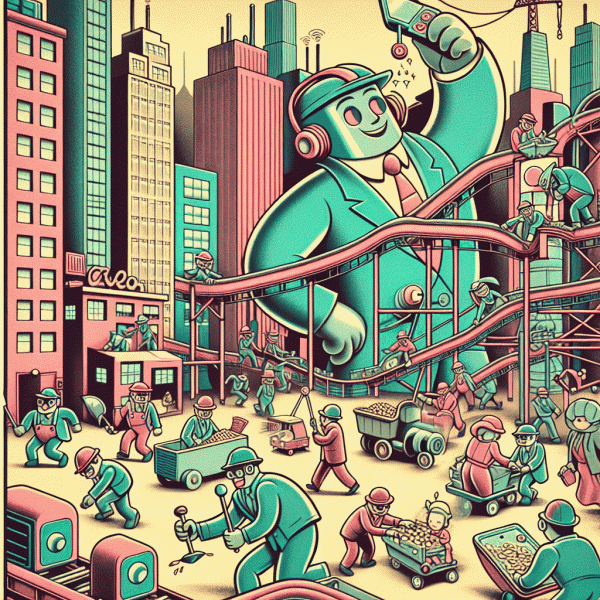
Behind every blinking cursor and completed checkbox there is a cast of click-workers who treat tiny tasks like pocket change that adds up. Students log on between classes and term papers, parents squeeze microtasks into nap schedules, and a quieter group of power users treats the platforms like boutique consultancies. Some chase volume, others hunt high-value niches, and a handful quietly optimize to turn what looks like spare change into a reliable revenue stream. The surprising twist is that big earners are not always the ones grinding the most hours; they are often the ones who think like small-business owners rather than task robots.
Students often win by converting class skills into microtask advantages. Research and reading speed become direct currency for surveys and summarizations, language study converts into translation gigs, and a knack for pattern spotting makes data labeling faster. Smart students use a simple rule: measure time per task and stop doing anything that pays less than their hourly goal. A practical move is to claim and complete qualification tests early, so better-paying tasks appear first. Tip: set a 20-minute daily sprint with a timer and treat it as a study block; the discipline that powers grades will also power earnings.
Side-hustlers, the people with day jobs and evening ambitions, play a different game. They prioritize tasks that fit into micro-windows: 5 minutes between meetings, commutes, or waiting in line. The secret is batching similar tasks to reduce context switching and using productivity aids like text expanders and templates for repeat responses. Another approach is to cultivate platforms rather than chase single tasks—earnings stabilize when you are a known, reliable contributor on a few sites. Actionable: pick two platforms, learn their badge systems, and automate only the boring bits; avoid anything that violates terms because short-term gain is not worth long-term lockout.
The silent pros are the ones who treat microtasking as a boutique service. They specialize in higher-skilled micro work: advanced transcription, nuanced content moderation, quality assurance for machine learning, or localized cultural tagging. Those roles pay more because they require judgment and consistency. These pros keep simple records, invoice for specialized batches, and sometimes subcontract overflow to trusted peers. They also reinvest in skills that shift them up the value chain. Quick checklist: identify one niche, track your true hourly rate, and spend 10 percent of profits on a single course or tool that raises your rates. With small, consistent upgrades, clicks become credentials, and credentialed clicks pay like a tiny, steady consultancy rather than loose change.
5-Minute Tasks, Full-Time Tactics: How Top Earners Stack Wins
Think of 5 minute gigs as micro wins that compound into a full time income when they are treated like a system, not a hobby. Top performers do three things differently: they pick the right tasks, they design repeatable workflows, and they protect momentum. That means swapping random clicks for intentional sessions, where every tiny task has an assigned purpose in a larger daily goal. A single hit task that pays well is nice, but the real magic comes from predictable output over a week and then a month.
Start with task selection. High value micro work is rarely the first item on a platform feed, so develop filters: a quick scan for task length, clarity of instructions, and reviewer history. Then layer simple rituals. Use a 25 minute focus block to clear a queue of short items, followed by a 5 minute reset to log earnings and update your tracker. Build templates for common responses, maintain a keyboard shortcut bank, and keep a folder of proof screenshots for quick appeals. These tiny efficiencies shave seconds off each task and multiply into hours saved.
Next level players treat reputation as capital. That means delivering clean work early to get good reviews, repeatedly doing tasks for the same requester to unlock bulk opportunities, and shifting into higher paying task types as skills improve. If scaling is the goal, diversify across platforms and niches so dips on one site never halt cash flow. For curated guidance and platform comparisons that help you decide where to concentrate effort, check out earn money online resources that list both steady gigs and occasional jackpots. Use referral programs and small client relationships to create a base of predictable micro income while you hunt for premium sessions.
Finally, measure like a scientist and iterate like a hacker. Track time per task, rejection rates, net pay after fees, and highest paying task categories by hour. Set weekly experiments: try a new niche for two days, test a different work block schedule, or aim for a rejection rate reduction challenge. Then keep what works and drop what does not. With consistent metrics, a handful of 5 minute wins becomes an hourly engine, then a daily routine, and then a full time tactic set. The result is less random grind and more calculated momentum, all delivered in tiny, repeatable beats.
Geo-Edge and Skill Hacks: Why Location and Micro-Skills Matter
Think of the micro-task economy like a farmers market: the same apples sell for different prices depending on which stall you set up at and what tiny extras you bundle with them. In micro-task platforms, that stall is geography and the extras are the micro-skills you stack. Workers in time zones that line up with high-demand markets can grab early-bird tasks that pay a premium; those fluent in a second language or a niche tagging convention are the ones who turn 10-minute gigs into steady income. The trick isn't just hustling harder — it's positioning smarter.
Start with the simple, high-leverage wins. Adjust your active hours to match buyers in higher-paying regions and watch your acceptance rates rise. Add a clear language badge and a few sample outputs so requesters know you're not just fast, you're consistent. Small tools — a browser macro to autofill common responses, a screenshot template, a keyboard shortcut map — shave seconds off each task and compound into real hourly gains. Those tiny efficiencies are often invisible to other workers but obvious to requesters when quality stays level and turnaround speeds spike.
Next, cultivate micro-skills that let you specialize without reinventing yourself. Learn a platform's preferred file naming, a taxonomy for tags, or a basic image-editing trick that turns marginal results into polished submissions. Replace vague claims like fast and reliable with specific, repeatable promises: “95% accuracy on sentiment checks, 2-minute average turnaround.” That kind of concrete reliability converts one-off gigs into preferred-worker invites and boosts your effective rate without raising your per-task price — you simply get more of the higher-paying ones.
Finally, treat this as an experiment-driven side hustle. Track which regions, task types, and time blocks yield the best mix of pay and approval. Create a small playbook with templates and an onboarding checklist for any new micro-skill you pick up; that way each new capability scales across dozens of similar gigs. Keep your tone friendly in communications and sprinkle in a quick, polite confirmation line when submitting (it's a tiny quality signal that moves the needle). Over time, the combination of geo-edge and skill stacking is what separates the steady earners from the ones who just grind. Be the vendor who knows the market rhythm and brings the secret sauce — the market will notice, and the dollars will follow.
The Paywall Illusion: Payout Math, Hidden Fees, and Time Traps
Micro task marketplaces look like vending machines for quick cash, but behind the shiny display is a maze of fees and time traps that can turn a tempting price tag into pocket change. Sticker prices and per task payouts are the headline act, while the real math is backstage. When you add platform commissions, withdrawal minimums, payment processing charges, approval delays, and the time spent hunting and qualifying for decent gigs, the bright numbers dim fast. The result is that nominal pay per task rarely equals actual income per hour unless you do the arithmetic first.
Start with a basic formula and you will see the gap in plain numbers. Effective hourly rate equals (total earned minus all fees) divided by total active time, multiplied by 60 if time is in minutes. Example: a task pays 0.30 USD, platform fee is 20 percent leaving 0.24 USD, withdrawal fee is 2.00 USD triggered every time you cash out, and each task takes 2 minutes on average. If you need a 5.00 USD minimum to withdraw and that requires about 21 tasks, the withdrawal fee spreads out to about 0.10 USD per task, dropping the per task haul to 0.14 USD. At 30 tasks per hour that is 4.20 USD, and once you factor in broken workflows, rejections, qualification surveys, and small gaps between tasks, the practical rate could fall to 2.50 USD per hour or worse.
Hidden fees are not only monetary. Approval delays that hold funds for days act like invisible taxes because you cannot reinvest those funds or optimize withdrawal timing. High rejection rates waste time and kill momentum, since you are not paid for rejected work and must chase appeals. Qualification tasks act as a gatekeeper tax; time spent qualifying will pay off when it unlocks higher pay, but many users never track break even. Platform policies that limit simultaneous tasks or ban certain automation increase your switching costs and reduce scale. To cut through this fog, track four core metrics every week: gross earnings, total explicit fees, active task minutes, and rejection rate. Those four reveal if a platform is actually worth time.
Actionable moves beat griping. First, do the effective hourly test before accepting a long batch: estimate average active minutes per task and subtract per task fee equivalents from pay. Second, batch withdrawals to dilute fixed fees into as many tasks as possible. Third, spend time on qualification hits that unlock consistent higher pay and lower rejection risk. Fourth, use a timer and limit session length to avoid attention decay which doubles error rates. Fifth, diversify across platforms so that slow approvals on one site do not stall your entire income stream. Finally, keep a tiny spreadsheet or use a free tracker to compute realized pay at the end of each session; if a category of task averages below your threshold, drop it.
No trick will turn pennies into a living wage overnight, but clear math will reveal winners and losers fast. Treat micro tasking like a micro business: measure inflows, measure outflows, measure time, then optimize. Experiment for one week, record totals, do the subtraction, then decide if the platform earns your effort. Armed with numbers, you will stop chasing sticker prices and start collecting real money for real minutes.
Brand Playbook Revealed: Why Companies Outsource—and What That Means for You
Brands aren't outsourcing because someone in procurement woke up craving spreadsheets; they outsource because the modern marketing machine needs a thousand tiny, consistent things done yesterday. Think: dozens of creative variants for an A/B test, localized captions in 12 languages, hundreds of product photos cropped to spec, or a steady stream of social replies. Outsourcing turns fixed headcount headaches into elastic capacity—buying speed, predictable unit costs, and a way to test creative ideas without blowing up payroll. For companies chasing growth signals, that micro-task pipeline translates into more experiments, faster learning, and fewer missed windows.
How they pick partners is bluntly pragmatic: reliability beats heroics. Platforms and vendor pools are filtered by speed-to-first-delivery, error rates, and how well a freelancer follows a brand brief. Brands layer in QA, style guides, and automated checkpoints so they can scale output without eroding tone. That means the highest-paid micro-taskers aren't always the flashiest artists — they're the ones who deliver consistent, brand-safe work, meet SLAs, and reduce cognitive load for the brand manager. In short: predictability and outcomes sell.
Want to get on those lists? Focus on the levers brands care about:
- 🚀 Speed: Be a predictable first responder — fast, clean drafts that rarely need fixes.
- ⚙️ Scale: Offer bundles or batch pricing so a campaign can be ramped without new onboarding each time.
- 💥 Specialization: Nail a niche (ecommerce captions, UX microcopy, product tagging) so you become the obvious hire for that problem.
Also, play smart: package tasks into compact pilots, show measurable lifts (CTR, time saved), and ask for short retainers once you prove value. Automate the tedious parts of your workflow so your hourly rate reflects judgment, not grunt work. Finally, beware the race-to-the-bottom — if a client only cares about price, you can either compete on automation and throughput or walk away. Build a micro-portfolio of outcomes, not just samples, and brands will pay more for the certainty you deliver.