Penny-Pinch Playbook: Tiny tactics that snowball into big buzz
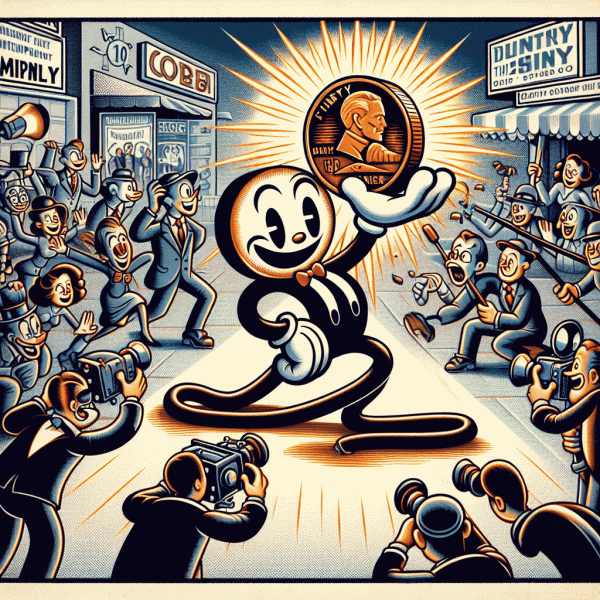
Think small, act smart. When marketing budget is measured in coffee runs instead of campaign forecasts, the trick is to build momentum one tiny win at a time. Start with a micro mindset: aim for experiments that cost pennies, take hours to launch, and teach you something measurable. Those experiments stack. A clever calendar nudge, a repurposed customer quote turned into a shareable image, or a 48 hour flash offer to your email list can ripple into press mentions, organic shares, and word of mouth that feels much more expensive than the sum of its parts.
Here are three ultra cheap, high leverage moves to test this week:
- 🆓 Giveaways: Run a simple entry mechanic like tagging a friend to unlock reach without ad spend.
- 🚀 Micro Experiments: Split test two headlines in a story format to learn what resonates before committing resources.
- 💬 User Love: Harvest short customer quotes and turn them into branded visuals for social proof that converts.
Pick one item, run it for a tight window, then iterate. For example, convert a single great review into a three day campaign: design three image variants, post to different channels, and boost the top performer with a tiny spend or partner swap. If you need a quick source of freelance help to execute variants or write microcopy, try a reliable task marketplace where tasks are short and turnaround is fast. Measure impressions, clicks, and any direct responses, then double down on the smallest metric that moves your funnel.
Finally, treat every penny trick as content gold. Capture the creative assets, the copy, and the performance data. Recycle the winner into an email series, a case study, and a short social video. That multiplies reach without multiplying cost. Keep a three column tracker: idea, result, tweak. Repeat the loop, and what started as a penny experiment will start buying real attention. Small bets, fast feedback, and ruthless reuse is the playbook that makes a shoestring behave like a megaphone.
Go where the eyeballs are: communities, collabs, and clever comments
Attention is not evenly distributed; it clusters in groups, guilds, and comment threads where people already trade ideas, ask for help, and share obsessions. Start by mapping three pockets that matter to your niche — a subreddit, a Discord server, a LinkedIn group, or a Facebook community — and spend real time listening. Note the recurring questions, the post formats that spark debate, and the members who consistently seed high-value conversations. Use that intelligence to plan three low-cost plays: one value-first post, one helpful download or template you can offer free, and one strategic comment thread where you can add a perspective that moves the conversation forward.
Collaborations are the fastest way to multiply eyeballs without emptying the marketing budget. Think small and reciprocal: propose a 20-minute co-hosted livestream, a guest newsletter swap, or a shared one-page checklist you both brand. When reaching out, lead with benefit and brevity: "I have an idea that could double engagement for both of our audiences with one hour of work. Would you try a 30-minute test?" Offer clear deliverables, a timeline, and one measurable goal so the ask feels like a tiny, no-risk experiment. Look for micro-creators who have high engagement but modest rates; their audiences tend to convert at better rates than top-tier influencers.
Comments are the stealth channel most people ignore. A short, well-crafted reply can land you in a thread where hundreds are already watching. Use a three-line formula: 1) acknowledge the original point, 2) add a concise, original insight or resource, and 3) end with a light invitation to continue the conversation. For example: "Great angle — a related tactic that worked for me was X. If you want, I can share the template I used." Keep it helpful, not salesy; the goal is to become a recognizable, trusted voice in that community. Also prioritize timing: early comments on a popular post get exponentially more impressions than the 400th reply.
Finally, convert these interactions into repeatable assets. Clip the best moments from a collab into a 30-second social video, screenshot a conversation thread as social proof, and turn top comments into micro-posts or FAQs. Track simple metrics that matter to shoestring budgets: engagement per hour invested, clicks per mention, and new signups per collaboration. Run two-week experiments in each channel, then double down on the one with the highest eyeballs-to-effort ratio. With this community-first approach, the budget becomes less important than the pattern: listen, add value, and make it easy for people to share you.
Email on empty: subject lines that get opens without ad spend
Email is your sneakiest bargain: it costs almost nothing to send but one winning subject line can buy you attention worth far more than paid ads. Start with a single rule—make the recipient feel the message is for them and broken if unopened. That means short, specific, and curiosity-driven. Try formulas like: Personal + tiny ask ("Jordan, quick favor?"), Benefit + number ("Double clicks in 7 days"), Curiosity gap ("You're missing this one tweak"), or Social proof ("2,300 people did this today"). Keep versions you test to 2–3 strong contenders rather than a dozen vague attempts; fewer, bolder bets win.
Practical micro-habits matter. Write subject lines mobile-first (aim for ~30–40 characters), avoid classic spam words ('Free', 'Buy now', excessive punctuation), and use emojis like a seasoning not a sprinkle—one relevant emoji can increase open rates with some demographics, but it can tank credibility in others. Always pair subject and preview text: if the subject is the headline, the preview is the subhead that closes the sale. Sender name matters too—people open from human names more than faceless brands, so test 'Maya from Support' vs 'Acme News' when appropriate. And when you test, test one variable at a time, use a meaningful sample size, and run for a fixed window so you don't chase noise.
Segmenting is the multiplier. Treat churned users differently from recent buyers—subjects that work on cold lists flop with hot leads. For example, a re-engagement subject could be a gentle nudge: "Did you forget this, Alex?" while a VIP drop can be direct: "Early access: 2-hour window." If you're looking to boost traffic without paying for ads, combine a tight subject with an irresistible micro-offer and consider lightweight external tools—some task apps that pay let you amplify visibility cheaply by incentivizing initial clicks, but use them sparingly and always prioritize list health over vanity opens. For non-openers, plan one resend with a rewritten subject and a different send time rather than blasting the same line again.
Make this a routine: 1) map three audience slices, 2) draft three subject+preview pairs per slice (benefit, curiosity, social proof), 3) A/B test on a representative holdout for 24–48 hours, 4) resend losers to non-openers with a fresh angle, and 5) log what worked and why. Track opens, clicks, and downstream actions—opens are vanity without follow-through—then repeat weekly. Treat subject-writing like copy surgery: small cuts, big results. Nail it and your inbox becomes a tiny ad budget that performs like a pro.
Content, remixed: turn one idea into ten thumb-stoppers
Start with one clear idea: a single sentence that sparks curiosity, solves a pain, or promises a tiny win. Treat that sentence like a gold nugget and let it be your compass. Write it down, then ask five questions: who cares, what problem does it fix, why is it surprising, how can someone try it now, and when would they need it? Those answers are your angle portfolio. From there, don't try to reinvent the wheel; remix. Trim the sentence into a punchy tweet, expand it into a 30-second demo, translate it into a behind-the-scenes anecdote, or exaggerate the benefit into a bold claim for a thumbnail. The goal is not to make ten new ideas but to make ten different doors that funnel the same idea into fresh feeds.
Now create ten thumb-stoppers. 1) A micro-video: 6 seconds, start with the problem, show the one-step fix, end with a visual payoff. 2) A carousel: slide one is the hook, slide two is the setup, slide three shows the shortcut, final slide is a clear CTA. 3) A single-image quote that slices your core sentence into a striking phrase and big typography. 4) A 30-second how-to showing tools or steps. 5) A behind-the-scenes photo with a quick confession and a lesson. 6) A listicle caption that condenses the idea into three bite-sized tips. 7) A zero-budget case study: a screenshot plus one line of result. 8) A meme or playful riff that humanizes the concept. 9) A live Q&A snippet asking one question you already know the answer to. 10) A short thread that stretches the idea into a mini-story. Each format reuses the same core language so production becomes assembly, not invention.
Make production stupidly simple. Batch three formats in one session: film the micro-video, record the 30-second how-to, and snap the behind-the-scenes still, all with the same setup and outfit. Use a three-line script: Hook, Deliver, Tease. Replace variable words to create ten captions in five minutes. For visuals, apply a single color filter and three consistent fonts so every piece looks like it belongs to the same campaign without fussy design work. Repurpose audio across formats by slicing the video master into short clips and saving the best 6-second hook as a reusable sound. For thumbnails, follow the 30-5-1 rule: 30% bold text, 5% face close-up, 1% mystery. These tiny standards mean speed over perfection while still stopping thumbs.
Finally, distribute like a scientist. Pick two channels for week one and master them before you sprinkle wider. Run tiny A/B tests: swap the thumbnail, tweak the first three words, or swap a CTA; keep other variables locked. Track one vanity metric and one action metric: impressions for reach and a single conversion that matters, whether that is email signups, demo requests, or saves. Republish top performers in a new format instead of chasing novelty. Build a simple calendar where each core idea gets ten slots over four weeks so your audience sees repetition in different skins. Small budgets love repetition; clever remixing turns a single penny-sized idea into the kind of reach that looks expensive because it feels inevitable.
Measure it for free: scrappy tracking that shows what works
Think of tracking like pocket change: a handful of tiny signals add up fast. Start by deciding which micro-conversions actually mean something for your goal — email signups, click-to-call, PDF downloads, demo requests — and give each a clear name. Use UTM tags everywhere you can (utm_source, utm_medium, utm_campaign) and keep the vocabulary strict and lowercased: insta_story, fb_post, reddit_amp. Create a tiny cheat-sheet or a one-row Google Sheet that concatenates and URL-encodes those pieces so teammates don't invent variants. That little discipline saves hours of reconciliation later and makes your next step—measurement—frictionless.
Then stitch those tagged URLs into free platforms. GA4 and Google Tag Manager are your scrappy measurement stack; turn on enhanced measurement to auto-capture outbound clicks and file downloads, and mark the most important events as conversions. If GTM seems like rocket science, start with GA4's built-in events and DebugView so you can watch clicks appear in real time. Free link shorteners give you a quick click tally when you need instant feedback, and Hotjar or similar free-tier heatmaps can validate whether people see your key CTA. The trick is to get signals, not perfect models—collect them fast and iterate.
Use guerrilla attribution tricks that cost nothing but creativity. Print channel-specific QR codes on posters, hand out a unique coupon code to a local partner, create one small landing page per campaign, or run a split test by posting two identical promos with different URLs and see which one wins. For offline leads, ask one quick source question at checkout and log answers in a shared sheet. Give influencers their own promo code and landing page so you can tell which shout-outs actually moved the needle. These tiny, separate identifiers make it trivial to say "this worked" without hiring a data scientist.
Finally, make the data actionable. Pull event CSVs into Google Sheets (or use the GA add-on or =IMPORTDATA), make one simple dashboard, and calculate cost-per-lead in pennies. Set a single KPI per campaign and check it weekly: if the penny buys more attention than expected, double down; if it doesn't, cut it fast. Automate a red/green highlight, or a Slack ping via a tiny Apps Script, so you don't babysit numbers. Run short experiments, learn quickly, and let low-cost tracking tell you where to spend that next stubborn penny.