From 5 Stars to Fallout: How Pay to Praise Really Works
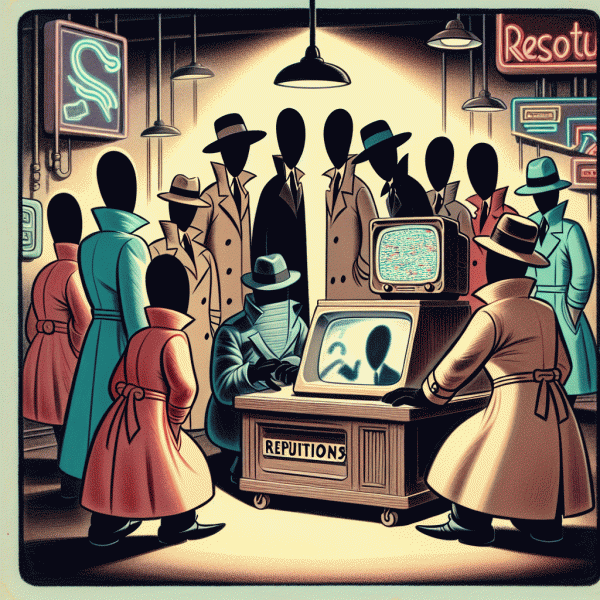
Think of pay to praise as a boutique operation that runs like a guerrilla marketing agency for the morally flexible. A business asks for a reputation reset, an army of disposable accounts gets provisioned, and a handful of carefully timed five star bursts get launched to change algorithms and customer perception overnight. The actors range from solo freelancers who write glowing blurbs for cash to sophisticated review farms that rotate IPs, simulate purchase histories, and seed anchor reviews so a fake five star reads like a chorus rather than a single voice. The whole point is velocity and plausibility: if the platform sees a sudden cluster of positive signals tied to reasonable looking profiles, trust metrics tilt in favor of the seller.
Here is how the mechanics usually play out in plain English. First, someone drafts a believable backstory and keywords that match the product or service. Then, a team of accounts posts reviews at scale, sometimes adding photos or timestamps to avoid automated filters. Replies from the business are scripted to mirror real customer service. Payment flows through escrow, gig platforms, or messaging apps, which keeps the parties insulated. More advanced operations plant a few mixed reviews to create a natural distribution and buy verification badges, or they funnel discounts to real customers in exchange for positive feedback so the scheme straddles a legal grey zone. If you know what to watch for, the pattern becomes obvious: spikes in pristine five star language, reviewers with one or two contributions across multiple unrelated products, and replies copied and pasted across several listings.
- 🧭 Signal: Sudden surge of identical praise from new accounts within a narrow time window, often with recycled phrases.
- 🎯 Motivation: Quick ranking gains, higher conversion rates, and the illusion of social proof that boosts organic discoverability.
- 🛠️ Fix: Encourage real verified reviews by making feedback friction free, set up alerts for review velocity, and respond publicly to dubious praise to invite clarification.
The fallout is not only ethical; it is practical. Platforms evolve countermeasures, and businesses that rely on bought praise risk mass takedowns, trust erosion when exposure happens, and legal repercussions in some jurisdictions. For the defender, steps are simple and effective: monitor review velocity and language similarity, diversify organic acquisition channels so real customers outnumber any artificial chorus, and build a culture of transparent responses that turn even lukewarm feedback into credibility. When in doubt, treat unexplained five star explosions like a red flag rather than a trophy. A believable reputation is built over time, not rented for a weekend.
Ghost Reviews, Real Consequences: What Brands Risk
Ghost reviews are the silent pickpockets of the internet: they slip into your profile, inflate numbers, and disappear before anyone notices the missing value. For brands, the immediate harm isn't just vanity metrics — it's trust erosion. A customer who sees five stars but reads cookie‑cutter praise will smell something fishy, and skepticism spreads faster than praise. Beyond customer doubt, platforms and partners notice anomalies too; sudden review spikes or identical language trigger investigations, algorithmic downgrades, or even delisting. Bottom line: fake applause looks good in a dashboard snapshot but quietly undermines the one asset that actually converts buyers — credibility.
When that credibility cracks, the consequences stack. Marketing teams end up chasing false positives: ad campaigns optimized on inflated ratings waste budget, product teams steer development toward feedback that never existed, and support teams field complaints from customers misled by phantom experiences. Legal and compliance risks lurk nearby — regulators are tightening rules on undisclosed endorsements, and platforms like Amazon, Google, and Yelp have stepped up enforcement with review takedowns and account suspensions. What feels like a small shortcut can ripple into lost revenue, shaken investor confidence, and messy public blowups.
Then there are the more human costs. Real customers who see your brand cheating will churn, leave scathing organic posts, or flood competitors with honest praise — the exact opposite of the intended effect. Internally, teams lose morale when wins are revealed to be manufactured; it's demotivating to celebrate metrics that don't reflect real effort. And partners — retailers, affiliates, influencers — may distance themselves to avoid reputational contagion. Think of ghost reviews as termites: unseen at first, expensive to remove later, and likely to collapse fragile relationships.
The good news? There are practical, immediate steps brands can take to arrest the damage and deter repeat offenders. Start with monitoring: set alerts for spikes in review volume, identical phrasing, abnormal rating distributions, and reviewers with one‑off histories. Pair automated detection (pattern analysis, IP clusters, device fingerprints) with human moderation to catch nuance. Require verified‑purchase badges where possible, gate reviews behind order verification, and audit third‑party vendors and agencies for shady tactics. When you find fakes, document them, report to the platform, and remove or rebut false claims publicly — transparency wins trust back faster than silence.
Finally, build a defensive playbook: publish a visible review policy, incentivize verified customers with meaningful experiences (not just discounts), train your teams to respond empathetically, and keep an escalation path to legal counsel for coordinated fraud rings. Track your reputation metrics with the same rigor as revenue — correlate review quality to conversion, LTV, and churn. Reclaiming authenticity isn't glamorous, but it's high ROI: real reviews convert better, reduce returns, and create sustainable word‑of‑mouth. Treat your reputation like an asset you'd insure — because once it's damaged, the repair bill is never cheap.
PR or Propaganda? Spotting the Line Before You Cross It
PR and propaganda share the same vocabulary but not the same moral math. One nudges perception, the other rigs it, and the difference comes down to intent, transparency, and whether an audience can easily follow the breadcrumbs. A clever distribution plan that quietly buries the sponsor or a campaign that leans on dubious sourcing does more than flatter; it mortgage the long term trust that brands pretend to own. Reputation in the grey zone is a liability, not an asset. Small corners cut in messaging will show up later as search results, leaked emails, or influencer backtracks. If your communications strategy treats truth like a negotiable variable, you are gambling with something far more expensive than paid impressions.
Before a single line goes live, run a quick ethical preflight that separates modern PR from stealthy propaganda. Use these three fast checks as a gate that every campaign must pass:
- 🆓 Transparency: Is sponsorship, payment, or partnership disclosed clearly and prominently so an ordinary reader can see who benefits?
- 🚀 Attribution: Are claims linked to verifiable sources rather than anonymous assertions or recycled press releases?
- 🤖 Intent: Does the content genuinely inform or add value, or does it exist primarily to mislead or manipulate sentiment?
If any check fails, pause the campaign and fix the root cause. Practical fixes include standard disclosure clauses, mandatory source links, and contract language that prevents creative liberties that alter facts. Add audit trails to vendor invoices so payments are traceable, require influencers to use platform disclosure tools, and use preflight sentiment tests that simulate how diverse communities will read the message. Measure trust as a KPI alongside reach: track branded search trends, correction rates, and net sentiment over time. When in doubt ask the simple headline test: would you be comfortable seeing this phrased exactly the same way on the front page tomorrow morning?
This is where smart PR becomes a competitive advantage rather than a risk. Brands that build transparent amplification win back durable trust and avoid the costly cleanups that follow a tipped ethical scale. If you want a quick, practical starter kit, catalog your top ten recurring content plays and run them through the three checks above, then document one fix for each failure. For teams that want to move faster, consider a short audit of paid placements, influencer contracts, and newsroom outreach to close the most dangerous gaps first. Keep your messages bold, your facts intact, and your conscience loud enough to drown out short term temptation.
DIY Defense: Simple Moves to Protect Your Name Without Paying
Start by playing detective on yourself. Open an incognito browser window and type every variation of your name, nickname, and common misspellings into search engines. Check image, news, and video tabs as well as social feeds. Set up a few free alerts — for example, Google Alerts — so you are emailed when your name appears. Make a short spreadsheet to track where your name shows up, the sentiment, and whether the record is removable, claimable, or something you can outrank with new content.
Next, tidy up loose ends you control. Lock down privacy settings on social accounts, remove old posts and untag photos that look bad, and close accounts you no longer use. If a platform does not make removal easy, find the contact address for the site owner and send a concise, polite removal request that explains why the content should come down. For things that are inaccurate, gather screenshots and dates so you have a clear record if you need to escalate or file a takedown later.
Then build a stronger, fresher presence to push negative items down the results pages. Create a simple personal website or an author page on a high authority platform and put your name in the page title and URL. Regularly publish short, useful pieces about your work or interests on LinkedIn, Medium, or a personal blog; these rank well and give search engines newer, positive signals to show. Use consistent naming across profiles and include a short bio and a professional photo so search algorithms and curious humans see one clear, credible identity.
Finally, put monitoring and escalation in place. Check results monthly, refine your alerts, and archive problematic content with screenshots and timestamps. For copyright or clear false statements, use formal takedowns like DMCA notices when applicable. If content is defamatory and causing real harm, consult legal advice, but only after documenting everything. If you would like a quick shortcut, download our free DIY reputation checklist at this link to follow step by step. Small, consistent moves can reclaim the narrative without paying a reputation middleman.
When to Hire Help: Vetting Agencies That Play Fair
If you are spending more time firefighting online mentions than building your business, it is time to consider outside help. Look for patterns rather than a single bad day: recurring negative search results, a crisis that draws media attention, formal legal threats, or an important revenue stream at risk. Hiring an agency makes sense when mitigation consumes internal bandwidth, when accuracy and reach matter for reputation repair, or when the technical side of search and content suppression goes beyond in-house comfort. A good rule of thumb is this: if the problem will still hurt your bottom line in three months, bring in someone who lives in search and PR for a living.
Vetting fair agencies is a mix of curiosity and healthy skepticism. Ask how they measure success, what tactics they will use, and whether those tactics are reversible and within legal boundaries. Request a sample report and a brief roadmap for the first 90 days. Insist on client references and case studies with outcomes you can verify. Watch for red flags: promises of total erasure, pressure to pay for fake reviews, secretive methods, or vendors who refuse to put tactics in writing. Ethical firms explain tradeoffs, timeline variability, and the possibility of suppression rather than removal.
- 🚀 Guarantees: Beware of absolute promises like 100 percent removal or overnight fixes; fair providers explain scope, likely timelines, and what they cannot control.
- ⚙️ Transparency: Demand clarity on tactics, reporting cadence, deliverables, and legal compliance; honest teams will share a redacted plan rather than hiding behind jargon.
- 👥 References: Ask for recent, industry relevant case studies and contactable clients; check outcomes yourself and look for consistent, documented results.
When it comes to contracts, put safety rails in place. Set a phased engagement with clear milestones and an exit clause if agreed outcomes are not met. Require regular reports tied to metrics you care about: search rank for specific queries, sentiment lift in media monitoring, link removals or DMCA actions completed, and content suppression on key pages. Protect your accounts and credentials, avoid upfront lump sums for unspecified work, and insist on a clause that forbids the use of fake content or reviews. Start with a pilot project, measure performance for ninety days, then scale. Fair help will feel like a partnership: direct, explainable, and a little bit stubborn about doing things the right way rather than the fastest way.