Stars for Sale? What Really Happens When You Pay to Look Popular
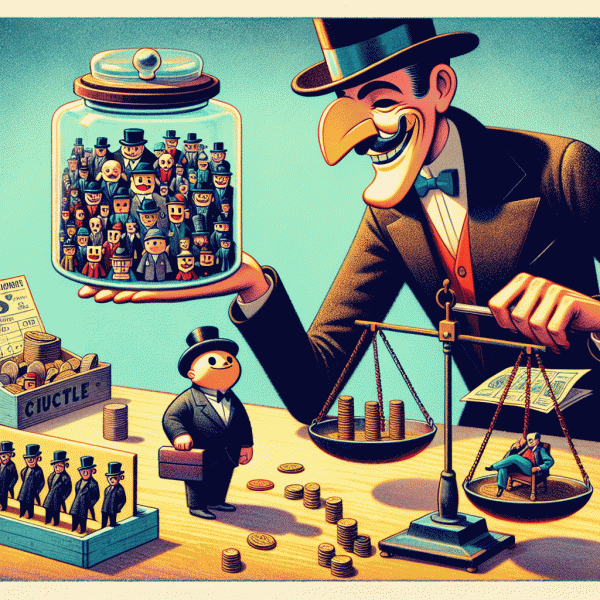
Buying followers and likes is a lot like renting a tuxedo for a wedding: it makes you look the part from a distance, but up close the seams start to tell the story. Companies sell packages that promise piles of stars and a halo of popularity, but what you're usually purchasing is noise — ghost accounts, bot interactions, and a sprinkle of fake reviews. That sudden spike in numbers might flatter your vanity metrics, but it rarely moves the needle where it counts: trust, conversion, and meaningful conversations.
Here are three quick truths that come with that rented popularity:
- 🤖 Engagement: Fake followers don't comment with curiosity — they inflate counts without creating conversations, leaving a hollow engagement score.
- ⭐ Perception: At first glance you look busy, but savvy visitors and journalists read the room; disproportionate likes-to-comments ratios or sudden bursts trigger skepticism.
- 💥 Risk: Platforms crack down. Paid, inorganic growth can lead to shadowbans, deletions, and a public reputation hit if you're exposed.
So what actually happens after you hand over your card? Short version: the metrics pop, the signal gets noisy, and the algorithm eventually notices the pattern. Longer version: real customers don't show up; ad targeting gets skewed because your audience is false; partners and sponsors may audit your engagement and walk away; and online sleuths can expose bought clout with a few simple checks. If you've already bought popularity, start with a cleanup audit: identify and remove bot followers where possible, reset paid campaigns to focus on verified engagement, and publish transparent content about changes you're making. Also measure deeper KPIs (clicks, dwell time, leads) instead of celebrating vanity counts.
Want a smarter path forward? Treat attention like a garden, not a scoreboard. Plant small, consistent seeds — helpful posts, micro-influencer collaborations, community replies, and timely value — and water them with targeted ads that send real people to real opt-ins. Quick tactics: run a 7-day* authenticity drive (reply to every comment, host one live Q&A, and share behind-the-scenes), partner with niche creators for barter promotions, and incentivize genuine reviews with useful follow-ups rather than cash for stars. In short, swap rented applause for earned loyalty — it's slower, yes, but it lasts. If you need a starter checklist or a couple of templates to begin repairing trust, I've got practical steps you can use right away.
The Shadow Economy of Trust: Fake Reviews, Bot Buzz, and Bought Praise
Think of the web as a flea market where reputation is being traded behind cardboard stalls. Some stalls are bright and honest, others are dimly lit operations selling five star stickers, bot applause, and rehearsed testimonials. This shadow economy of trust runs on low ticket transactions: microtask platforms that churn out glowing reviews, botnets that generate fake comments and likes, and agencies that will lift a product or bury a complaint for a price. The result is a noise floor that makes real feedback harder to hear and honest growth more expensive.
Who is participating in this trade and how does it work in practice? There are freelance reviewers who leave patterned praise across dozens of profiles, coordinated groups that swap reviews to game ranking signals, and automated scripts that create bursts of engagement timed to launch days. Some schemes focus on volume to flood search results, others use a handful of polished testimonials to seed credibility. The tactics are varied, but the fingerprints are often similar: repeated phrases, unusually youthful account ages, suspicious timing, and engagement that peaks without corresponding genuine interest.
There are practical checks any brand or investigator can run right now. Start with surface forensics: use reverse image search on profile pictures and quoted testimonials, scan review language for repeated phrasing, and examine account histories for multiple reviews in a short window. In analytics, watch for conversion spikes that are not accompanied by sustained traffic quality improvements, and check source parameters for strange UTM patterns. Prioritize three quick signals: Reviewer age and activity, Timestamp clusters, and Phrase repetition. If those flags fire, escalate by documenting examples, using platform reporting tools, and preserving screenshots and raw URLs for escalation or legal follow up.
Defense is mostly proactive. Invest in systems that privilege verified interactions, such as purchase verification badges and follow up requests sent at natural moments. Reward genuine feedback with service recovery, public responses, and transparent case studies that show real outcomes. Build a small team or toolset to continuously monitor mentions, parse sentiment, and surface anomalies so that rapid remediation is possible. Finally, treat reputation like any other asset: measure baseline health, budget for protection, and test defenses with controlled experiments rather than panic responses. The shadow sellers will not disappear overnight, but by hardening signals of authenticity and by responding with openness, a brand can make its reputation a resource that cannot be rented away.
Rules of the Game: What the Big Platforms Allow—and What Gets You Banned
Big platforms love rules because rules let them scale judgement. The catch is that the rules are written by humans, enforced by machines, and interpreted by contractors who read hundreds of tickets a day, which yields a lot of room for weird outcomes. Some actions are clearly banned, some are openly endorsed through official programs, and most of the reputation work people pay for sits in the fog between. If you are buying reputation or selling it, think of platform policy as a runway with holes: you can take off in approved advertising lanes, but if you try to fly through the gaps the algorithms will notice the turbulence.
Start by mapping what each major player treats as acceptable commerce. Paid ads, influencer partnerships with disclosure, and platform-approved reputation services are prime examples of legitimate paths. On the other hand, creating fake accounts, buying likes from bot farms, orchestrating fake reviews, and coordinating harassment to drown out critics are common grounds for immediate strikes and bans. Then there are the creative workarounds that sit in gray territory: paying for search suppression, arranging removal requests with questionable legal bases, or using intermediaries to post praise under personal accounts. Those tactics sometimes work short term but are the fastest route to a damaging public takedown if the platform or a watchdog exposes the scheme.
Practical signals to watch for are consistent across platforms: transparency, traceable payment channels, and use of official tools reduce risk; fabricated engagement, recycled content, and sudden spikes in activity increase risk. Here is a quick mental checklist to classify a tactic before signing on:
- 🆓 Allowed: Use platform ad products, sponsored posts with clear disclosure, and verified reputation firms that operate through official channels and provide contracts and detailed reporting.
- 🐢 Gray: Services that promise suppression, removal, or stealthy edits without public disclosure. They may succeed but often trade short term gains for long term exposure and policy violation risk.
- 💥 Banned: Buying fake followers, doing coordinated review fraud, running harassment campaigns, or creating networks of sockpuppet accounts. These are high probability triggers for permanent suspension.
Actionable next steps: document every agreement in writing, insist on audit logs and native platform receipts, push for disclosures on sponsored content, and prefer slow, organic reputation repair over quick black hat fixes. Build a simple incident playbook with templates for appeals and public statements, so if a moderator flags your activity you respond quickly and cleanly. Above all, remember that reputation is not just a commodity to buy and sell; it is a set of relationships that platforms regulate. Playing by the rules keeps those relationships intact and keeps your brand out of the headlines for the wrong reasons.
Ethics Check: The Fine Line Between Savvy Reputation Management and Manipulation
Think of online reputation work like gardening: pruning dead branches and planting good stories is savvy; uprooting your neighbor's rosebush and claiming their blooms is manipulation. The smart play focuses on clarity, not camouflage — an honest audit of mentions, a prioritized list of real improvements, and a public-facing policy that shows you're fixing root causes rather than papering over complaints. Start with a three-step morning routine for your brand: scan (who's saying what), sort (which issues are urgent), and act (reply, fix, document). That approach keeps marketing energy concentrated on durable trust, not quick illusions.
Where that line blurs is instructive. Fake reviews, paid sockpuppets, stealthy astroturf campaigns and buying engagement aren't just morally shady — they're brittle strategies that collapse under scrutiny. Instead, lean into scalable, ethical channels: verified testimonials, customer case studies with contactable references, and transparent incentives for feedback. If you're outsourcing, vet gig providers carefully — for example, look through platforms like trusted gig platforms to earn from home to find freelancers who disclose methods and share verifiable results. Ask for methods in writing and insist on reusable assets (real stories, screenshots, data) you control.
Marketing ethically doesn't mean being timid. Use bold storytelling, targeted amplification, and smart SEO, but make every claim accountable. Have a simple vendor checklist: demand a documented workflow, insist on original content, require permission from customers for quotes, and set KPIs that measure genuine impact (repeat conversions, retention, sentiment lift). When responding to negative posts, use a script framework: acknowledge, own what you can, outline corrective steps, and invite offline resolution. That sequence turns public complaints into trust-building opportunities.
Don't ignore the long game risks. Platforms detect inorganic signals; searches and review ecosystems penalize patterns that scream manipulation. Worse, the reputation you buy evaporates faster than the goodwill you can build honestly. Protect yourself by keeping compliance and ethics front and center: maintain an audit trail of reputation work, log consent for testimonials, and align tactics with platform policies and local law. Set a quarterly review to purge any tactics that feel sketchy and to double down on approaches that create defensible equity.
Here's a practical takeaway you can use right now: score any reputation tactic against three checks — Legitimacy (would you show this in a court or board meeting?), Longevity (does it build repeatable trust?), and Traceability (can you prove where this content came from?). If a vendor can't pass those three, walk. If you want a quick starter list to hand to agencies, make them commit to transparency, deliver signed customer releases, and provide performance data tied to real business outcomes. Ethical reputation management is the only sustainable marketing playbook — it keeps customers, platforms, and your future all on the same side.
Do It the Right Way: Credibility Hacks That Grow Real, Lasting Trust
People don't buy promises anymore; they buy patterns. When every competitor sprinkles their site with stock testimonials and five-star badges, credibility becomes the subtle choreography of consistent, verifiable signals. Start by treating transparency as a product feature: timestamp case studies, name the people behind quotes (with permission), show before-and-after metrics, and publish the methodology for big claims. Those little, honest breadcrumbs make it easy for a skeptic to verify you without needing to go on a witch hunt.
Social proof only works when it's traceable. Encourage customers to post original photos, short videos, or screenshots and then surface those assets in context — not hidden in a carousel with 20 other covers. Link to public profiles or review pages, embed snippets of long-form case studies, and if you use endorsements, ask for a one-line proof point (what problem, measurable outcome, and timeframe). Third-party verification — industry certifications, independent reviews, or a transparent audit report — is worth far more than a dozen anonymous raves.
Handle mistakes like you're training for PR marathons: fast, accountable, and visible. Reply to every review that matters, own the problem, and publish a follow-up describing the fix and how you'll prevent recurrence. That ritual converts dissatisfied customers into credibility advocates and makes potential buyers more comfortable taking the leap. Equally important: avoid baked-in secrecy. Clear, upfront pricing, realistic delivery windows, and an easy-to-find refund/returns policy reduce friction and strip the grey-zone of ambiguity.
Make credibility operational with a weekly sprint. First, audit your top ten trust signals — testimonials, about page, team bios, certifications, FAQ — and ask: can an outsider verify this in under two minutes? If the answer is no, fix it. Second, create a small 'receipts room' page where raw evidence lives (screenshots, anonymized contracts, metrics dashboards). Third, standardize response templates for praise, complaints, and technical corrections so every interaction reinforces competence and care. Keep it human: a witty, concise signature or a short video reply beats a corporate blur every time. Do these things and you'll build a reputation that can't be rented or faked — it's earned, sticky, and surprisingly scalable.