5-Star Alchemy: When Ratings Turn Into Revenue
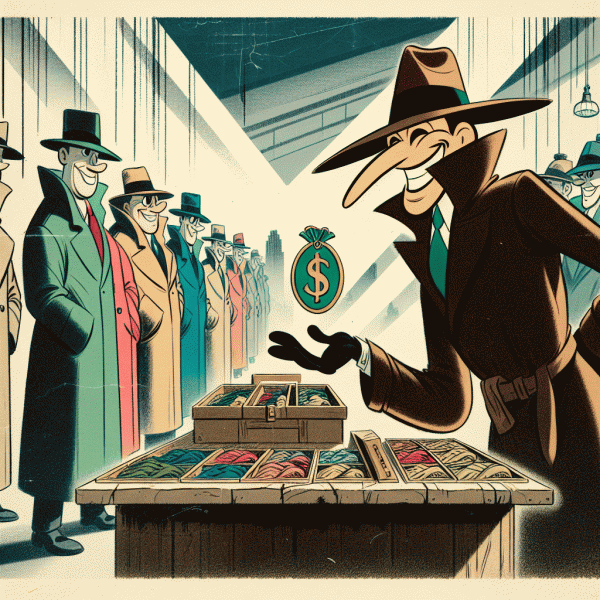
Think of your star ratings like a currency: they don't just signal quality, they change buyer behavior. A convincing cluster of 4.5–5★ snippets can lift click-throughs, influence search placement on marketplaces, and give you psychological license to price strategically. That's the alchemy everyone chases — but the trick is making the chemistry repeatable and honest. When the glow is manufactured, platforms sniff it out and customer trust evaporates faster than a one-star tantrum.
Treat ratings as measurable inputs, not mystical endorsements. Map the funnel: which listing pages get the highest post-review conversions, which review snippets boost ad relevance, and whether reviewer photos increase perceived trust. Use simple metrics — CTR, conversion rate, average order value, and churn — to quantify the lift a visible 5★ delivers. Experiment with micro-optimizations: shorten review headlines, prioritize quotes that mention outcomes, and time review requests to moments of peak satisfaction (delivery, first successful use, or a solved support ticket). Small presentation moves often yield outsized revenue effects.
Build a short, repeatable playbook and keep it operationalized:
- 🚀 Amplify: Trigger review requests at the exact moment of delight — an in-app confirmation, a delivery email, or a follow-up SMS — and make the form one tap long.
- ⭐ Defend: Monitor all channels and respond publicly within 24–48 hours — thoughtful responses convert neutral or angry reviewers and signal future buyers that you're accountable.
- 💬 Monetize: Surface verified quotes in product pages, category listings, and paid creatives; A/B test placements to see what raises average order value and reduces bounce.
Beware the grey zone. Buying reviews, gating feedback to filter negatives, or using sketchy farms might look like a shortcut, but the fallout is real: delisted products, frozen accounts, refund waves, and a PR headache that kills long-term LTV. Instead of risky hacks, invest in verified collection channels, transparent feedback incentives (like loyalty points for taking a survey, not for giving a 5★), and ops that catch unhappy customers earlier — try a quick in-product survey or a QR code on receipts to surface issues before they hit public pages.
Ready for a practical first sprint? Run a 30‑day experiment: baseline your current ratings and revenue, add review snippets to one landing page, and measure conversion delta. Set a concrete goal (e.g., increase verified positive reviews by X% or lift conversion by Y%) and assign an owner with weekly reporting. Automate alerts for rating drops, document two ethical scaling tactics, and keep a log of what moves the needle. When you treat ratings like a system — owned, tested, and honest — they stop being folklore and start being a dependable revenue lever. Keep the sparkle genuine, and the register will follow.
Pay-to-Polish or Pay-to-Play? Decoding the Difference
There's a difference between paying someone to buff your online image and paying to buy a stage. The first is about craft: thoughtful PR, honest customer outreach, cleaning up old inaccuracies and boosting legitimate SEO signals. The second is a shortcut through the underbrush: paid placements disguised as organic influence, fleets of fake reviews, or manipulated ranking tricks that look good on a dashboard but fall apart under scrutiny. In the grey zone the line blurs, so the smart move is learning to spot whether a vendor is helping you build durable credibility or simply renting you temporary applause.
Clues live in the details. If a vendor promises overnight page-one results, insists you 'can' publish only through a closed network, or pushes a one-size-fits-all template, be skeptical. Real reputation work explains methods, shows case studies with measurable outcomes and offers references you can verify independently. Ask them: what sources will you use, who owns the content, how do you handle negative feedback that surfaces, and can you prove those results without masked accounts? Strong providers welcome these questions; sketchy operators dodge specifics or try to move the conversation off-platform.
There's more than reputation at stake: platforms ban paid-for deceit, regulators fine deceptive endorsements, and customers smell fake faster than you'd expect. Short-term pay-to-play wins can trigger long-term losses—lost trust, downgraded listings, or penalties that cost far more than the initial fee. Choose methods that scale ethically: transparent partnerships with influencers who disclose sponsored content, proactive customer experience fixes that produce organic praise, and SEO that earns attention rather than buys it. Those tactics build equity you can actually spend.
Here's a quick, actionable checklist to separate polish from play: demand a written scope that names channels and tactics; require verifiable examples with links; insist on a staged pilot and clear KPIs; set contract clauses for compliance with platform rules and disclosure laws; schedule weekly reports that include primary-source proof (not screenshots); and plan a customer-facing response script for any pushback. If a vendor won't agree to those basics, walk. Reputation isn't a magic trick you can outsource blindly—it's a compound asset you nurture. Pay for polish, yes; pay to play, no—because in the end, authenticity is the only investment that actually pays off.
Review Farms, Fake Fame: How to Spot the Tells
Online credibility often looks like sunlight — easy to feel, tricky to measure. Review farms and manufactured praise are the shady sunscreen of the web: they make things look gleaming from a distance but leave a weird sheen when you get close. Instead of panicking, learn the body language of fake fame. Look for rhythm glitches: a sudden wall of five-star reviews with almost identical phrasing, reviewers who joined the platform the week before they wrote a glowing testimonial, or an account that only ever reviews one business. Those are not poetic coincidences; they are operational signatures of a reputation being bought and queued.
When you need a quick sniff test, these three tells separate real customers from assembly-line applause:
- 🤖 Patterns: Repeated phrases, identical punctuation, and synced posting dates mean copy-paste operation — real people vary.
- 👥 Profiles: Sparse profiles, no photos, and a suspiciously narrow review history are red flags; genuine users leave footprints across different places.
- ⭐ Timing: Overnight spikes, clustered reviews tied to promotions, or bursts right after a press mention usually indicate coordinated campaigns.
Armed with those tells, take practical action: sample reviews like a detective — open a few reviewer profiles and scan for diversity of activity, check timestamps for unnatural clustering, and reverse-image-search any stock-photo “customer” pictures. Use native platform filters to sort by oldest first and see whether praise appears out of nowhere; use browser tools to inspect the review metadata when available. If a business looks too spotless, search for mentions on niche forums, ask direct questions in review threads, or call the business and ask for references — real providers are used to being vetted and will often point you to long-term clients. Finally, document the evidence: screenshots and URLs matter when you report suspicious behavior to the platform or push back publicly. Buying reputation can be cheaper than building it, but its shortcuts are brittle and traceable; spotting the tells lets you call them out with facts rather than vibes.
Crisis? What Crisis: The Real Cost of Burying Bad Press
When the headline hits and a PR black hole feels like the easiest fix, the temptation to bury bad press with grey zone tactics is real and persistent. Paying to push negative stories down the search results might buy a few quiet days, but it also buys an illusion of safety. The initial relief comes with a predictable hangover: algorithms change, competitors sniff weakness, and that supposedly dormant article has a way of resurfacing at the worst possible moment. Burying is not a final move, it is a pause button pressed on a bomb.
The real cost shows up slowly and in places that do not make the CFO spreadsheet happy. Search engine cache, archived pages, aggressive journalism, watchdogs, or tipped off insiders can revive the story and frame your evasive moves as deliberate concealment. Customers remember tone and follow up, and trust erodes faster than any SEO metric can rebuild it. Investors read beyond press releases and will punish opacity. Internally, turning a blind eye breeds complacency, then scandal fatigue, then higher turnover. Legal fees for damage control add up, but the real ledger includes lost deals, lower lifetime customer value, and a brand that future employees and partners hesitate to touch.
Think of the strategy as a short term bandage that creates long term infection. The tradeoffs reveal themselves across three predictable vectors:
- 🧭 Visibility: A buried article might slip below page one, but it will remain discoverable to anyone who cares enough to dig, including journalists and regulators.
- 🕰️ Time: Fixing the root cause takes longer when the focus is on hiding symptoms; every day spent fighting the surface means more days the underlying issue can fester.
- 💔 Trust: When stakeholders learn that content was suppressed, credibility suffers more than the original story ever did.
Actionable alternatives exist and they have the twin benefits of reducing harm and building resilience. Start with a swift public acknowledgement where appropriate, then present a clear remediation plan and independent validation if feasible. Invest in proactive content that demonstrates values and resolves issues with transparency rather than shadow moves. Conduct an audit that maps who sees what and how content flows, then pair that with an evergreen response playbook so teams can act fast and consistently. If legal action is warranted, use it as a last resort and be prepared to explain the rationale publicly. Reputation is not a product to be shelved, it is an asset that appreciates with honesty and decays with avoidance. Treat the next flare up as a communications problem first and a suppression problem never, and over time your brand will stop needing emergency surgery and start needing maintenance instead.
Ethics That Convert: A Practical Playbook for Honest Reputation Wins
Think of ethical reputation work as smart hospitality rather than fast magic. Start by treating trust as a product feature: document how you collect feedback, who can amplify it, and what counts as a conflict of interest. Make transparency visible with a single place that explains review policies, response timelines, and incentives. When people can see the rules, they stop guessing and start engaging. That clarity reduces skepticism and increases the likelihood that a visitor will become a promoter, because honesty is a conversion lever when applied consistently.
Turn ethics into a playbook with repeatable moves. Audit: map every touchpoint where reputation is shaped, from onboarding emails to post-service surveys. Invite: build opt-in flows that ask satisfied customers to share their story and give them simple pathways to post on third party sites. Verify: attach verifiable context to endorsements, such as project dates, outcomes, or screenshots. Amplify: create a permissioned syndication plan so praise can be showcased on site and social without misrepresenting consent. Each move is small, but sequenced properly it creates a visible pattern of authenticity.
Measure what matters so ethics can be optimized. Track trends in sentiment, visible review volume, referral rate, and conversion lift from testimonial pages. Add an operational metric: time to first public response after a critique. Use A/B tests where possible to compare a transparent workflow against a control, measuring downstream effects like demo requests or average order value. Keep an audit trail of permissions and source data for each public item so legal risk stays low while insights compound. Governance beats guesswork; a short monthly review will prevent grey zone drift.
Finish with three practical actions to start today. Create a one page trust policy and link to it from your footer. Run a 30 day permission drive that asks recent customers for consent to publish short case notes, offering an easy opt out. Schedule a weekly trust sprint: review new feedback, confirm provenance, and publish one verified story. Small, consistent effort builds a reputation that converts precisely because it is honest. Be patient, be clear, and treat ethics as a conversion mechanism rather than a cost.