Backstage on the Platforms: How Gigs Are Sliced, Priced, and Sent to You
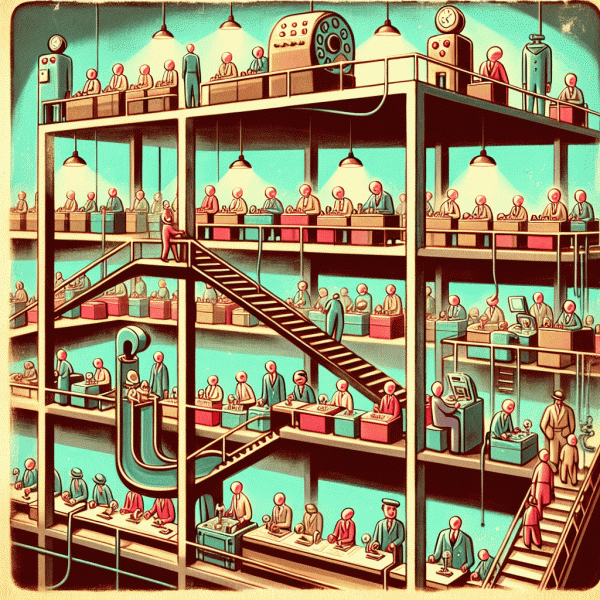
Platforms do the slicing work before you ever see a single hit. A requester turns a big job into predictable micro-units: label this image, transcribe one sentence, or verify a single fact. Those units are often templated so the same logic runs across hundreds or thousands of tasks, and the platform layers in quality control like gold-standard checks, redundancy, and automated filters. That means pay is not just about the requesters offer per unit; it is also shaped by how many review passes are required, how many workers get redundant checks, and the platforms commission or processing fees. Understand the anatomy of a HIT and you start to see why a task that lists $0.10 can end up delivering a much lower effective rate after rejects and rechecks.
Pricing is where the math stops being simple and starts being political. Some gigs are steady pay-per-task, some come in batches with sliding rates, and some use dynamic pricing that responds to demand or to the time of day. Qualification gates and hidden minimums often raise the effective wage for certified workers while new entrants get stuck on low-pay tests. Factor in the real time per task, the time spent finding work, qualification tests, and the hit rejection rate and you get the true hourly figure. One actionable move: always time a few sample hits, divide the listed pay by your measured time, and compare that to your personal minimum wage for gig work.
Dispatch rules determine who actually gets to click accept. Many systems are first-come, first-served and reward speed. Others are invite-only or use reputation scores, geolocation, and requester-specific filters to match tasks to workers. Algorithms prioritize low-risk workers for high-value batches and filter out profiles that historically caused delays or rejections. That creates a hierarchy where the fastest, most qualified, and most localized contributors see the better pay. To decode a job posting quickly scan for history metrics, brief examples, and the presence of review checks. A short cheat list:
- 🚀 Speed: Fast access means better batch selection; being ready when new batches drop multiplies opportunity.
- 🐢 Quality: High accuracy opens invite-only gigs and bonus pools that effectively raise pay.
- 💥 Bonus: Look for explicit bonus language and conditions; sometimes the headline rate is bait without bonus rules.
So what should a practical worker do tomorrow morning? Prioritize tasks with clear instructions and requester history, sample a few hits to compute an effective rate, and keep a running tally of your rejection triggers. Diversify across multiple platforms so slowdowns on one market do not kill your day. If you want a short curated list to start with, check a resource that tracks openings and reputations like easy microtasks that pay instantly. Small changes to how you pick, time, and route work will change who gets paid most of all: the people who treat microtasks like a market instead of a scavenger hunt.
Meet the Earners: Students, Parents, Pros — and What Sets Them Apart
Micro-task platforms look simple on the surface: a list of tiny jobs, a meter that ticks up as you complete them, and a promise of pocket money. Under the surface you find three consistent earners — students, parents, and pros — each treating the same platforms like different tools in a toolbox. Students treat micro tasks as flexible side gigs that fit between classes and socials; parents lean on them for steady, predictable minutes that slot around childcare; pros convert these gigs into a pipeline by optimizing for efficiency, repeatable tasks, and reputation. The payoff is not random. It tracks time availability, attention patterns, and whether someone treats this as a hobby, a buffer, or a business.
Where they differ matters more than the label. Students trade time for variety and learning, often chasing tasks that pay quickly and require low commitment; parents value batching and predictability, preferring tasks that can be paused and resumed without penalty; pros prioritize tasks with clear SOPs, higher approval rates, and upstream advantages like early access or direct invitations. Platform features that look neutral often favor one group over another: short cooldowns and mobile-first UI help students, long-session tasks and good pause mechanics help parents, and detailed qualification systems plus preferential task routing help pros earn more per hour. Think of it as three plays for the same field: sprint, steady jog, and marathon pacing.
Here are three actionable micro-strategies that map to each archetype and unlock better pay in practice:
- 🆓 Speed: For Students — learn quick heuristics and keyboard shortcuts to finish many low-friction tasks per hour.
- 🐢 Batching: For Parents — reserve predictable blocks and do similar tasks in a row to reduce cognitive switching and approval errors.
- 🚀 Scale: For Pros — develop repeatable workflows, build reputation by maintaining quality, and pursue qualified tasks with higher pay.
Actionable tweaks separate winners from the rest. Track acceptance and rejection rates like a pro; use timers for focus windows; script or template common responses where allowed; and test small changes — increasing your accuracy threshold, switching device, or applying to qualification tests can lift hourly yield by double digits. Remember that platforms reward patterns: reliable completion and high-quality work lead to invitations and premium tasks, which is the main way passive experience converts into active earnings. Spend ten minutes a week reviewing metrics and you compound advantages faster than doing random tasks for free time.
If you want a quick experiment, pick one platform, map where you fit in the student-parent-pro spectrum, and run a two-week split test: change one variable (time of day, batch size, or task type) and measure earnings per hour. Small iterative changes win more than heroic sessions. Micro-tasking is less about luck and more about matching your life rhythm to task features, then repeating what works. Treat it like a tiny business and the tiny paychecks add up.
Skill Beats Hustle: The Task Categories That Actually Pay
You can click like mad and count tasks completed, or you can treat the platform like a marketplace and sell something people are actually willing to pay a premium for. On micro-task sites the highest returns usually aren't about volume — they're about matching specific skills to specific task types. Creative and cognitive work (micro-copy edits, UX feedback, nuanced transcriptions, tagged image annotation for specialized models) often pays several times what the same time would earn on pure hit-and-run checkbox gigs. Platforms reward accuracy, speed that comes from craft, and the ability to interpret ambiguous briefs; that's why a few specialists consistently out-earn the crowd of generalists who rely on hustle alone.
Think in terms of time-to-value: what pays you the most per minute of focused work, not per task. If a translation or short UX interview takes 20 minutes and pays $15, that's far better than three ten-minute form-fills that pay $1 each. Look for tasks with gating mechanisms — tests, certifications, or "qualified workers only" tags — because those are signals the platform will funnel better-paying work to people who prove they can do it. Practical moves: read the brief before you accept, build short reusable templates for common responses, and keep a tiny checklist for quality so you don't waste time on rejections. Rejections are the hidden tax on hustle; skill reduces those fees.
- 🚀 Expertise: Niche knowledge (medical tagging, legal transcription, multilingual UX) nets higher rates and repeat requesters.
- 🤖 Technical: Tasks involving tooling, scripting, or structured datasets often have clear acceptance criteria and better pay.
- 🔥 Creative: Short edits, copy tweaks, and visual QA that require taste or understanding beat bulk checkbox work.
Action plan: pick one paying niche and stick with it long enough to learn the traps and build reusable assets. Spend a few hours improving a sample deliverable, get a quick credential if the platform offers one, and target requesters with positive history. Track effective hourly rates for each task type for two weeks and drop anything below your self-imposed floor. Finally, treat micro-tasks as an onramp — use earnings to buy small tools or courses that amplify your skill set, then graduate toward higher-ticket gigs and long-term clients. Skill compounds; hustle exhausts. Choose compounding.
Timing, Streaks, and Ratings: The Hidden Levers That Boost Income
Think of micro-task platforms like slot machines with memory: when you pull the lever at the right time, with a clean streak and a shiny rating, the payouts change. Timing matters because requesters often post batches at predictable hours and your position in that queue determines whether you get a full-pay task or the leftover scraps. Streaks matter because platforms reward reliability with prioritized invites, small cash or visibility bonuses, and unlocked qualifications. Ratings matter because a high score filters you into better flows and reduces manual checks. Those three levers don't sit on the dashboard as “make more money” buttons, but together they shape who sees what, how often, and at what pay. Treating timing, streaks, and ratings as a single system stops you chasing every new gig and starts nudging the platform's algorithm in your favor with intention instead of luck.
Start with timing: map when high-paying batches appear and be ready. Track a handful of favorite requesters for a week, note their timezone and posting rhythm, and show up 10–20 minutes early to be in the first wave. Look for “early bird” bonuses, weekend spikes, or end-of-month top-offs and plan around them. Use saved searches, filters, and quick-claim tools to surface work as soon as it drops, and turn on mobile notifications for your best queues. If you split attention between several sites, prioritize the one that consistently supplies your steadier income—your main stage where streaks compound fastest. For a curated place to compare schedules, requester habits, and community tips, check a freelance task marketplace that aggregates patterns so you don't have to reinvent tracking spreadsheets.
Streaks and ratings are mostly about consistency, accuracy, and human psychology. Build a buffer of careful, high-quality hits so you can safely increase speed without fear of a single rejection wiping out progress. Small operational habits protect your score: keep a two-second final scan, reuse vetted templates for repetitive answers, and document quirky requester instructions you encounter. When rejections arrive, appeal politely with timestamps or screenshots—sometimes they reverse mistakes and you regain income plus goodwill. Watch common rejection causes (format errors, copy-paste slipups, misunderstood instructions) and train yourself to avoid them. Also mind response time: being fast to accept qualification tests or quick to respond to requester messages often signals reliability and unlocks private invites.
Turn these levers into a daily playbook: block a reliable window of focused time, start with qualifications and higher-value batches, then move to repeatable tasks once your streak feels solid. Keep a tiny log—hourly rate, acceptance ratio, streak length—and run two-week experiments to see what timing shifts raise your earnings most. Optimize tools (clean browser profile, keyboard shortcuts, checklist app) without breaking platform rules or using banned automation. Diversify across platforms so a single requester hiccup won't pause your income, and set measurable goals (target hourly, minimum acceptance rate, streak days). Be curious, keep streaks honest, guard your rating, and treat timing as a trainable skill: with practice, what looks like luck becomes repeatable income.
Avoid the Traps: Fees, Bans, and Time-Wasters to Dodge
Think of micro-task platforms like a flea market for labor: bargains everywhere, but some stalls sneak in extra charges, others disappear if you check your cart too long, and a few are staffed by robots. The good news is that most of these traps are avoidable once you learn to read the fine print and develop a few low-effort habits. This paragraph warms you up: fees nibble at your payout, bans can wipe out months of good standing in a heartbeat, and endless low-value tasks are the silent time-suckers that make your hourly rate look tragic. Keep your eyes open and your strategy sharp—you're running a tiny business, not doing favors.
Early wins come from spotting the usual culprits. Watch out for hidden costs like minimum withdrawals, payment processor fees, and currency conversions that turn a $5 payout into a $3 one. Policies on rejections and account terminations vary wildly; some platforms auto-ban with no appeal, others give you a chance to contest. And then there's task quality: some hits are deliberate time-wasters designed to harvest demographic data, not pay your rent. Here's a quick cheat-sheet of traps to recognize fast:
- 🆓 Fees: Small per-withdrawal or conversion fees can erode earnings if you cash out frequently.
- 🐢 Slowdowns: Low-pay, high-time tasks that kill your effective hourly rate despite high per-task counts.
- 🤖 Scans: Bots or low-quality tasks that either get rejected en masse or waste time you could spend on higher-value work.
Now for the practical fixes you can use tomorrow: batch your payouts until you hit a fee-friendly threshold, pick platforms with transparent dispute processes, and always run a 15-minute test on a new task type to calculate your real pay-per-hour before committing. Maintain a simple spreadsheet: task name, time taken, payout, acceptance/rejection, and effective hourly rate. If you don't have at least three tasks that consistently beat your target hourly minimum, don't keep doing them. Also, build a short template for polite, evidence-based appeals—screenshots, timestamps, and concise reasoning dramatically increase your chance of reversing a bad rejection.
Finally, protect your account like it's your primary income source: don't share logins, keep two-factor auth where available, and follow platform rules closely to avoid accidental bans. If you hit a suspension, appeal quickly and calmly; if that fails, export any performance proof and move to another platform rather than fight forever. The people who reliably get paid treat micro-tasking like a small-scale operation: they track metrics, cut tasks that underperform, and optimize fees and payouts. Do that, and you'll stop being a victim of traps and start being the person who gets paid—consistently.