The 5 Minute Task That Ate an Hour: Where Time Really Goes
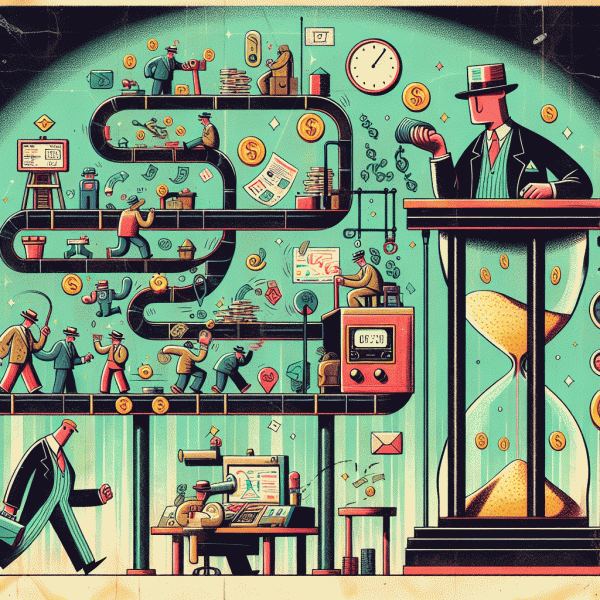
Five minutes on the clock feels harmless. The task reads like a haiku: quick, neat, done. Then the tab hangs, the platform asks for verification, the file you need is buried in another project, and an extra correction comes through chat. Those little interruptions are not just annoyances, they are compound interest on wasted time. What started as a quick hit of cash or a line on the to do list can snowball into an hour of fuzzy focus. The culprit is not the task itself so much as the friction around it: logging in, reading micro instructions, hunting for credentials, and micro decisions that each demand a sliver of brainpower.
Context switching is the stealth bomber of productivity. Every time you leave a task to look up a password or to reply to a notification, your brain pays a switching tax. That tax is not measured in seconds alone; it shows up as lost momentum, repeated reading, and the need to reorient. Add slow platform interfaces, vague task briefs that require clarification, and payment or approval delays, and five minutes quickly becomes an exercise in patience management. There is also the psychological overhead of multitasking, which makes you think you are working faster while actually dragging every task across the finish line slower.
Stop treating pay per task as pay per minute. Run the numbers at least once. Track how many minutes you actually spend from first click to final submission, including interruptions and cleanup. Then calculate your effective hourly rate by dividing total pay by total time. A pleasant sounding five minute gig paying five dollars can turn into a sixty dollar per hour fantasy or a six dollar per hour reality, depending on the hidden minutes. If your effective hourly rate is below your time value, the math is telling you to either optimize or walk away.
There are practical moves that clip the wings of hidden drains. Batch similar tasks: open one brand, one file set, one tool and do several items at once to avoid repeated warm ups. Prepare a template: keep canned responses, common file names, and a clipboard manager handy so you do not waste minutes recreating the wheel. Set strict windows: use a timer and treat microtasks as sprints, not background noise. Add a preflight checklist: asset located, login ready, payment method verified. Use browser profiles or extensions to stay logged in without swapping accounts and mute nonessential notifications during a session. These small rituals turn fragmented minutes into concentrated blocks.
Finally, set rules you will actually keep. Decide a minimum effective hourly threshold, cap daily microtask time, and make automation the default when repeat work appears. Treat early gigs as learning opportunities rather than primary income until your workflow proves profitable. Try one change this week: batch for one hour and track every interruption. The experiment will reveal where time really goes and give you permission to demand better pay for the attention you bring. Time is the currency you cannot recharge; spend it on tasks that actually return value.
What You Actually Earn After Fees, Friction, and Failures
Think you'll churn out spare cash between emails? Here's the blunt math most people skip: a lot of the sticker price vanishes before it hits your pocket. Platforms skim fees (often 5–20%), processors charge withdrawal fees or minimums, and rejection or QA failure rates can silently wipe out batches. Add in friction — loading and qualifying for tasks, tab-hopping, and the few minutes you spend fixing a rejected task — and your attractive $0.25 microtask often becomes a $0.12–$0.18 reality, before tax. That's the gross-to-net squeeze that turns a headline "$12/hr" into something closer to your true take-home.
How to quantify it without getting math-phobic: start with average payout per completed task, multiply by your historical acceptance rate, subtract platform and processing fees, then divide by time spent per task (including setup and disputes). Example: $0.25 average payout × 0.88 acceptance × (1 − 0.10 platform fee) ≈ $0.20 net per task. If those tasks take 75 seconds on average, you're ~ $9.60/hr before taxes and before factoring in withdrawal charges or the value of your time spent chasing unpaid batches. Small percentages add up fast; a 10% squeeze on acceptance plus a $2 withdrawal fee on a $20 balance can silently shave hours of effective work.
There's good news: the leak is often plug-and-play. Prioritize high acceptance-rate HITs, batch similar tasks to shave seconds off each repetition, and track your real task-time using a stopwatch or simple spreadsheet. Avoid tasks with long qualification quizzes unless the payoff justifies it, and don't chase ultra-low-dollar tasks that have heavy friction. If you're trying different platforms, vet them first — check payout reliability, average approval windows, and fee structures on a trusted task marketplace before committing your evening to their pipeline.
Actionable bottom line: set a minimum net hourly target and refuse anything below it. Use a quick experiment — work for two hours, count completed accepted tasks, tally fees, and compute your take-home hourly rate — then multiply that by how many hours you'd realistically do per week. If it's below your time's market value, scale up or walk away. With a few simple habits (timing, batching, and quality-control), you can turn microtasks from a confusing grind into a predictable supplement — but only if you calculate the real numbers and treat time like the scarce resource it is.
Red Flags and Reality: How to Spot Time-Wasting Gigs
Micro-tasks promise quick wins, but that's exactly the vibe you should treat with a healthy dose of skepticism. A listing that looks like a dollar sign emoji and a smile often hides a thousand tiny drains on your time: vague instructions, pay that vanishes behind a minimum payout, or tasks that require endless approval loops. Before you click accept, give every gig a three-second sniff test: is the pay advertised per task or per hour, is there a clear deliverable, and does the poster have any ratings? If you can't answer those fast, it's okay to move on—your minutes are the real currency here.
Here are the quick red flags that showed up again and again during my micro-task deep dives:
- 🆓 Upfront: Requests for money or “training fees” before you can start—classic scam maneuver.
- 🐢 Slow: Tasks that take forever to approve or require repeated revisions with no clear rubric—time leak alert.
- 🤖 Fake: Listings with stock images, identical wording across dozens of posts, or bots posing as clients—low chance of fair pay.
Spotting these is half the battle; the other half is actionable vetting. Always do one micro-test: pick the shortest available task from a new client, complete it perfectly, and see how long approval and payment actually take. Keep a running tally so you can compute an effective hourly rate—if five 5-minute tasks pay $2 total, that's not magic money, it's unpaid labor. Protect yourself with screenshots and time logs, and set a hard rule like the "10‑minute cutoff": if a task is going to take longer than ten minutes to judge quality and payment prospects, bail unless the $/hr is clearly worthwhile. Finally, trust platform signals: consistent low ratings, minimal dispute processes, or platforms where every gig seems to require recruitment are all signs to steer clear.
If you're wondering whether a gig is worth your precious time, run it through this quick mental checklist: clear instructions, visible and fair pay, positive client history, and a realistic approval window. Fail two of those and you're probably trading attention for crumbs. Micro-tasks can be a handy top-up when you're armed with skepticism and a simple routine; without those, they're a perfectly designed time sink. Keep your standards, test cautiously, and celebrate the small, honest wins—because fast money should feel like a small victory, not a slow bleed.
Pro Tips to Stack Micro-Tasks and Multiply Earnings
Start by treating micro-tasks like a tiny, ruthless startup: map the funnel and cut the fluff. Spend an afternoon identifying which gigs consistently pay off — the ones with fast approvals, clear instructions, and low rejection rates — then build a one‑page playbook for each. Give every repeatable task a short label and a two‑line SOP: what to look for, the exact phrasing that wins acceptance, and the most common rejection fixes. Keep a cheat-sheet of canned responses and edge cases so you don't waste ten minutes rereading guidelines every time. That small upfront investment separates quick cash from time-sink rabbit holes.
Batching is your secret weapon. Open a cluster of similar tasks and move through them assembly-line style so your brain stays in the same mode: same copy/paste, same validation steps, same templates. Use text expanders, browser autofill, and lightweight macros to shave off repetitive keystrokes; even saving 10 seconds per task compounds fast. Timebox with micro-sprints (5–15 minutes) and track completed items per sprint instead of obsessing over single-task perfection. When focus fades, switch task types to reset attention instead of grinding at diminishing returns. Small, allowed automations and keyboard shortcuts are like invisible teammates — they don't break rules, they just make you faster.
Think across platforms rather than in silos. Keep a rolling queue so you're never waiting: if one task is pending approval, another should be live and earning. Consolidate payouts where possible to minimize fees and friction — funnel earnings to a primary account or payment method so small balances don't sit stranded below thresholds. Prioritize tasks with predictable acceptance and invest time in reputation-building: completing qualification tests and delivering clean submissions unlocks higher-paying invites and reduces friction. Use referral bonuses and promo campaigns as accelerants, not the core business model: they multiply earnings, but steady work wins the month. Also plan your calendar so cognitively heavy tasks hit your morning peak and rote chores populate low-energy windows.
Measure like a pro. Log time spent, gross earnings, rejections, and corrections for a rolling week so you can compute a true effective hourly rate. If an activity drags your rate below your personal opportunity-cost floor, drop it. Reinvest a sliver of profits into productivity tools or micro-skills that unlock better tasks; a $20 text-expander or a short course that improves accuracy pays for itself fast. Finally, set hard stop times and care for your neck and eyes — micro-tasking is convenient, not immortal. Run this system for a month, optimize using actual numbers, and you'll either have a dependable side income or clear evidence it's time to redeploy your hours elsewhere.
Should You Jump In or Walk Away? A Quick Decision Guide
Think of this as a pocket-sized referee: fast, blunt, and slightly sarcastic. Before you dive into a sea of ten-second surveys or endless image tags, give yourself three quick checks that separate "fun spare-cash hunting" from "you've been conned into a time-sink." Ask: Will the money you earn beat an alternative use of this time? Will the platform pay reliably and without heavy fees? Will the work keep you sane for the stretch you plan to commit?
Numbers don't lie, but they do mislead if you ignore context. As a working rule, treat anything that nets under $5/hr as a curiosity, $5–10/hr as acceptable for dead-time filling (commute gaps, lunch breaks), and $10+/hr as worth scheduling into your day if the tasks are low stress. Watch acceptance and rejection rates: under 90% acceptance is a red flag because rejections erase earnings and waste effort. Also, check payout minimums and withdrawal delays—waiting two weeks for $3 is effectively a negative interest loan on your time.
If you're still curious, run a short experiment before committing. Block two hours, track every minute and every task in a spreadsheet, and calculate your effective rate after platform fees and rejections. Example: 200 micro-tasks at $0.03 each is $6 gross; if you spent two hours and 10% got rejected, you're under $3/hr. That's a clear fail. Set a simple pass condition—say $8/hr after rejections—or an alternative objective like building a portfolio of quick transcription clips. Treat this like A/B testing: change one variable per run (time of day, task type, or platform) and compare results.
Not everything valuable is cash. Some micro-tasking pays in skill or eventual opportunities: better quality tasks can lead to higher-paying gigs, and certain platforms let top contributors access premium work. Use micro-tasks for learning UI patterns, practicing short-form writing, or padding odd minutes between meetings. But be vigilant: if a requester asks for sensitive personal information, upfront payments, or unpaid "training" with promises of future work, walk away—those are scams wearing business casual.
Bottom line: don't go all-in on hope. If the math meets your hourly floor, the platform treats you fairly, and the tasks don't crush your joy, give it a two-hour try and reassess. If not, save your time for higher-return possibilities or use these platforms only for targeted experiments. Quick tests, honest accounting, and a low boredom threshold will keep you making real gains instead of just busywork.