The $20 Test: Tiny Budgets, Big Signal
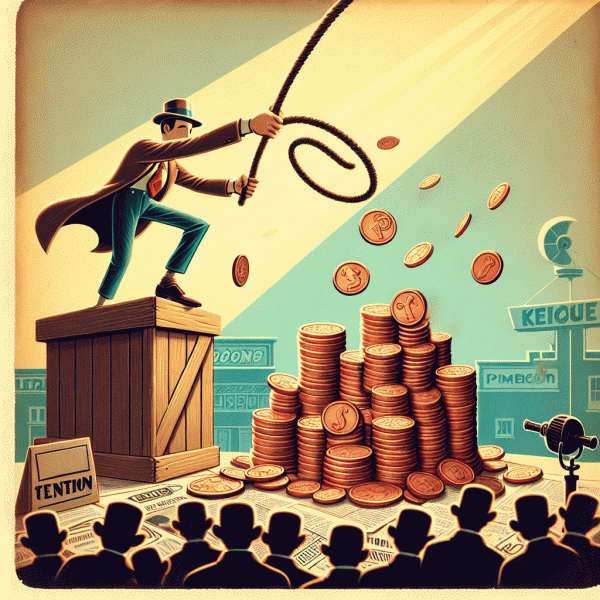
Think of twenty dollars as a tiny spy balloon: cheap, disposable, and excellent at revealing who is above your market. The point of this microtest is not to make a profit, it is to extract signal fast. Buy a sliver of attention to answer one crisp question — does this message resonate with this audience? — and design the experiment so the answer is unambiguous. Pick one platform, one audience slice, and one primary metric. If you are selling something, treat a click or a lead as the conversion for now. If your funnel is long, measure the micro conversion that correlates with later value. Keep creative simple: one image or short video, one headline, one call to action. Anything more creates noise.
Setup should be boring on purpose. Split the $20 into a few micro-variants so you can compare headline, creative, or audience without blowing cash. A common recipe is four ads at five dollars each or two at ten dollars each; run them for 24 to 72 hours and collect impressions, clicks, CTR, cost per click, and micro-conversions. Tag every URL with UTM parameters and ensure the ad pixel is firing. Do not launch a seven-day blitz and hope for wisdom; this is a quick sniff test. Expect low absolute numbers but focus on directional trends. If one version gets double the CTR of the rest, that is a signal worth acting on.
Interpreting results is where many boots string marketers give up. High CTR with low engagement on the landing page means the creative promises something your page does not deliver. Low CTR across all variants probably points to audience mismatch or a weak hook. A reasonable pass threshold might be a CTR at least 1.0 percent on cold traffic or a CPC below the cost you can tolerate for a first touch. If your microtest fails, celebrate the failure because you learned what not to pursue. If a variant shows promise, iterate on that winner: tweak the headline, change the image, or tighten the offer and run another microtest. The goal is to convert uncertain assumptions into repeatable, small wins.
When a winner emerges, do not pour the entire budget in one gulp. Scale by factors and monitor whether your metrics hold. Double the budget and watch CPA for three full days; if performance degrades, revert and test a different scaling cadence. Convert winning ad assets into organic posts, use the creative in email campaigns, and embed the successful angles into landing pages. Over time, a string of $20 tests builds a predictive map of what works, letting you buy attention more confidently and cheaply. This method is not glamorous, but it is ruthless, fast, and perfect for anyone who prefers clever experiments to long meetings.
Guerrilla Funnels: Turn Free Eyeballs into Fans
Think of a guerrilla funnel as a charm offensive, not a used-car salesman routine. Start by identifying the free pockets of attention you can reasonably own: comment threads on niche posts, forgotten Slack communities, hyperlocal Facebook groups, or trending audio on short-form video platforms. Your objective is tiny—move one stranger from passive scroller to curious clicker in under 10 seconds. That means swapping long copy for a single irresistible promise, a visual that stops the thumb, and a micro-commitment that feels almost cheeky: sign up for a "one-minute cheat sheet," RSVP to an exclusive 24-hour Q&A, or drop a word in DMs for a quick win. Low friction wins.
Now the tactics. Create a bite-sized lead magnet that looks like a gift, not bait: a checklist, a template, a 3-step swipe file. Publish it where attention already exists and make the handoff conversational—reply to a comment with a value-first reply and an offer to send the resource, or use a single-line CTA inside a viral caption that says, "Want this? DM me 'yes' and I'll send it." Convert that DM into an email capture with a one-click opt-in or a short form; you're not courting a lead, you're making a friend. Track the path: where did the click happen, what line converted, which creative stopped the scroll? Repeat the successful bits.
- 🆓 Opt-in: Offer something free and immediate—no PDFs that require pinball navigation.
- 🚀 Tease: Give a public micro-preview that creates curiosity; the DM or comment is the gate.
- 💥 Nurture: Send a short, helpful follow-up sequence that asks one tiny commitment (try this, reply with results).
Measure the tiny signals: reply rate, DM-to-email conversion, first-7-day engagement. Your math should be simple: if 1,000 eyeballs cost you a creative hour and two boosted posts, how many micro-opt-ins does that buy? If you start at pennies per engaged person, optimize toward nickels and then dimes—because scale follows repeatable, cheap wins. Keep the tone human, the deliverable immediate, and the next step obvious. Do a 48-hour test, iterate on the line that stops people, and double down on the channel that gives you the warmest replies. Guerrilla funnels aren't hacks, they're mini-relationships built at volume—and they turn free eyeballs into your earliest, most loyal fans.
Hook Alchemy: Headlines, Thumbnails, and 5-Second Wins
Think of the first five seconds of any interaction as a tiny marketplace auction: attention is the currency and a clever headline or thumbnail is your bid. Focus on immediate intelligibility and emotion — clarity beats cleverness when someone is scanning at speed. Lead with a single promise or a single question, use numbers to compress value, and nudge curiosity with a gap that the rest of your content can fill. The goal is not to trick people, it is to make your offer obvious and intriguing in under five seconds so a tiny investment in design or copy yields outsized returns.
Design hacks for that split second live somewhere between extreme economy and theater. Use high contrast, a single face or object, and text that reads even on a phone lock screen. Do not clutter; crop in close and remove distractions. If you need rapid help creating dozens of variants, consider outsourcing tasks instead of hiring full time — try post a paid task for completion to get multiple thumbnails and headlines turned around in a day at low cost. When budgets are tiny, speed and iteration beat perfection.
Use these three micro-formulas to craft instant wins and test fast:
- 🆓 Tease: Promise a free takeaway or quick win in 5 words or less so curiosity converts to a click.
- 🚀 Speed: Lead with a concrete time frame like "In 60 seconds" or "5 minute fix" to reduce friction and set expectations.
- 💥 Proof: Add a quant or social cue such as "1000 users" or a tiny badge to signal that the claim has weight.
Turn those tactics into a cheap experiment plan: pick 6 headlines, pair each with 2 thumbnail styles, launch a lightweight split test across two platforms, and measure clickthrough rate and first-step conversion (email signup, micro purchase, or watch time). Kill anything worse than baseline and double down on variants that lift CTR by 15 percent or more. Keep a tiny swipe file of winners and reframe the language for new audiences; on a shoestring, reuse beats reinvent. Finish each sprint with one concrete change you can deploy across channels, then repeat. Those five-second wins compound into real attention without blowing the budget.
Borrowed Stages: Piggyback on Audiences You Don't Own
Borrowed stages are the fastest shortcut from invisible to invited. Think less about buying celebrity spots and more about trading attention with hosts who already have trust and eyeballs. You show up as the person who brings a tidy packet of value, not the desperate pitch that derails a room. The trick is to make yourself a low-friction win for the host: a guest who educates, provokes, or entertains enough that the host looks like a genius for booking you. That moves the needle faster and costs pennies compared to building a channel from scratch.
Start like a hacker, not a sponsor. Map 20 potential platforms where your ideal customer already spends time—podcasts, newsletters, niche Facebook groups, TikTok duets, local meetups—and score them by audience fit, size, and likely conversion. Craft one crisp promise you can deliver in 10 minutes: what will listeners walk away with, and why will they care? Your outreach message should be value first, ask second: offer a hook, propose a clear format, and suggest one promotional asset the host can copy and paste. Keep the ask small so hosts can say yes without renegotiating their editorial calendar.
Operationalize your pitch with tiny templates that scale. Use a micro-offer that feels exclusive and trackable so you can measure return on effort. Test three lightweight approaches and iterate weekly: a hands-on demo, a quick case study, or a limited-time download tied to that audience. Below are three battle-tested moves to put in your outreach toolbox:
- 🆓 Pitch Hook: Offer a no-prep 15-minute segment that teaches one smart trick their audience can use today; hosts love segments that get applause or shares.
- 🚀 Micro-Offer: Create a gated download or discount specific to the host with a unique link so every click, lead, and sale is attributable.
- 💬 Follow-Up: Send a short recap with timestamps, suggested social posts the host can copy, and one question to spark comments; this keeps the momentum and doubles the content lifespan.
Measure the tiny experiments like a scientist: track signups, engagement, and the cost in hours per channel. If a guest spot yields more than one useful lead per hour invested, scale it; if not, sunset and redeploy the hour to a better stage. The beauty of this approach is speed and compounding: one well-chosen stage converts today and becomes a reference for tomorrow. Keep your offers specific, your asks small, and your follow-ups generous. Do this repeatedly and you will have bought attention for pennies—shoestring marketing with a megaphone effect.
Automate the Afterglow: DMs, Drips, and Low-Cost Loyalty
Traffic's loud, but the afterglow is where pennies turn into relationships. After a click, DM opt-in, or checkout, the job isn't over—it's just begun. Automate the obvious: an immediate DM acknowledgement, a 24-hour friendly drip, and a 7–10 day value nudge that isn't a sales pitch. Use simple tags like new_lead, purchaser, or bounced_email so people funnel into relevant sequences; that one label change multiplies relevance. Prioritize speed: messages sent within the first hour get disproportionate replies. Keep tone human—short sentences, one call-to-action, and a micro-offer (a free guide, a 10% code, or a VIP invite). Chatbots plus SMTP drips let a shoestring ad spend keep working long after the click.
DM sequences are stealthy converters if you structure them. Start with a two-line opener that references the trigger and delivers a tiny win: "Hey {Name}! Loved that you checked out our boots—want the quick fit guide?" Follow at 24–48 hours with a single-sentence social proof and a subtle CTA, then at day five ask a low-friction micro-commitment (share a photo, join a 10-minute live, claim a limited code). Keep the copy bite-sized; people scroll faster than they read. Use automation that pauses on replies and hands off to a human when someone asks a real question. Automate the predictable and humanize the edges—low cost, high conversion. Track reply rates; if they dip, tweak the opener.
Drip emails should read like a friendship, not a funnel. Build three micro-series: welcome, education, and loyalty. Welcome = immediate value + expectations; education = tips and tiny wins; loyalty = rewards and community invites. Give cheap perks that feel huge: early access to a restock, a members-only how-to video, or a $3 shipping coupon—perceived value beats sticker price. Segment simply: buyers vs browsers, high-intent clicks vs casual readers. Use personalization tokens (first name, product viewed) and behavioral triggers (cart abandonment at 2 hours, no purchase after 7 days). Keep CTAs single-minded. Move winning sequences into evergreen flows so that every dollar you spend on traffic earns repeat visits.
Measure, then iterate. Watch reply rate for DMs, click-to-conversion for drips, repeat purchase rate for loyalty flows, and cost-per-retention versus cost-per-click. Run fast experiments: swap one line in your opener, try a different micro-offer, or change the timing of message two. Use tags relentlessly—when someone redeems a code, add converted_2025 and trigger a gratitude sequence. Re-engage cold leads with a simple "We miss you" plus a tiny incentive; if they stay cold, archive them to avoid list decay. The cheap truth: you don't need a gold-plated CRM to win—you need consistent follow-up, personality, and a few automated scaffolds that do the heavy lifting while you plan the next attention-grabbing stunt.