$0 Audience Spark: Hijack Trends Without Paying for Ads
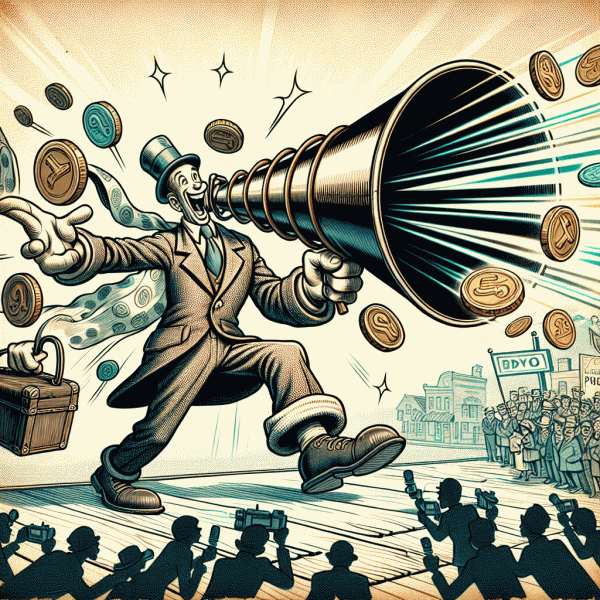
Think of trend hijacking as creative socket stripping: you tap the same current that everyone else is riding, but you rewire it so your brand lights up in a new color. Start by watching, not posting. Spend one hour scanning trending sounds, memes, and formats on platforms where your customers already hang out. Note the emotion behind each trend: is it funny, aspirational, freakout, or help-first? Then ask one question: how can my product or idea be a tiny, surprising solution inside that emotional container? That mental map turns random virality into a repeatable lever.
Next, pick the smallest viable unit of content that can carry that idea: a 7–15 second hook, a captioned still, or a two-line thread opener. Commit to the tiny format and make it ridiculous good. Use a single, loud twist—a bold claim, a visual mismatch, or a line people will steal. Keep production lean: smartphone, natural light, one prop. For distribution, prioritize speed and volume over polish. Post the same concept in three variants over 48 hours and treat it like a lab. Iterate on what gets a reaction, not what looks perfect.
Here are three microplays to deploy fast and free:
- 🆓 Hook: Lead with one absurd promise in the first two seconds so viewers either stop or laugh.
- 🚀 Angle: Flip the trend by inserting your product as the unexpected tool or punchline.
- 💥 Pull: End with an open loop that invites comments or duets, not just a link away.
Concrete examples beat theory: if a dance trend is peaking, your microplay might be a 9-second clip where someone fails the dance until they use your product as a prop to nail it. If an audio meme is a sarcastic line, answer that line with a tiny demo that makes the sarcasm true. Caption every post with a one-sentence instruction that invites participation, such as "Try this with your worst attempt" or "Duet if this happened to you." Finally, measure two things: shares and replies. Shares expose new audiences; replies create algorithmic momentum.
Finish each sprint with a 24-hour review. Keep the three best bits, double down on the fastest wins, and drop the rest. Run one controlled experiment every week: change the thumbnail, the first two seconds, or the call to action, and compare reach. Build a swipe file of angles that worked and rotate them into new trends. With practice, trend hijacking becomes less luck and more system. Stay curious, move fast, and treat virality as the side effect of stubborn, scrappy testing.
Hook, Line, Share: Thumb-Stopping Ideas You Can Steal Today
Treat the first frame like elevator pitch—if it fails, swipe wins. Start with a visual that's weirdly specific: a close-up of a bent straw, a wildly misaligned label, a slow-motion coffee drip. Combine that with one tight line that signals benefit or mystery—Stop throwing money at leaks—and a sound cue that creates urgency: a single ding, a wobble, a whispered question. On Pocket Change you do not need perfect production; you need a precise hook, rhythm, and contrast. Use contrast of scale, a surprise action, or an obvious problem solved quickly. Aim for curiosity plus usefulness: viewers must either learn something valuable in ten seconds or feel an itch they want to scratch by tapping share. Remember the 3-second rule: if you cannot create a micro-epiphany by then, rewrite.
Stealable opening lines are your secret weapon. Swap in brand specifics and test these as captions or voiceovers: What they did with $5 will annoy you; I stopped doing this and my mornings saved 20 minutes; You are overpaying for X—here's the fast fix; This tiny habit made rent less stressful; Here is a 15-second hack pros won't tell you. For playful angles try: Bet you can't watch this without laughing; Don't make this mistake on day one; Pause if you hate wasting money. Use contrast words like never, immediately, and finally sparingly but precisely. Pair each line with an obvious visual punch—motion, close-up, text overlay—so skimmers hit pause. Treat each hook as a test variable: swap one phrase per version and measure what pulls viewers through.
Design sharing triggers that feel natural, not transactional. Replace generic CTAs with social levers: Tag the friend who does this every morning, Save this for your next budget meltdown, or Try this and duet your results. Create remix-friendly formats: a 10-second problem, a 10-second reveal, and a 20-second 'your turn' prompt that invites responses. Add a low-friction challenge—30-day pocket-change swap—and show the first day and the payoff clip. Use community proof: stitch customer reactions, show screenshots of comments, or highlight a tiny win to make sharing feel like giving people a useful gift. Microcopy matters: swap Follow for See more tiny wins and Share for Send this to your roommate. Little language tweaks boost share intent.
Ship fast, learn faster: run two hooks by two CTAs for a week, then keep the winning combo and iterate visuals. Track three KPIs: share rate, watch-through, and saves; prioritize share rate for viral lift. Repurpose winners into loopable 6–10 second clips, a 30-second explainer for pins, and a static card with the headline for story drops. Keep a swipe file of top-performing opens and reuse formats—curiosity, checklist, transformation, and challenge—but swap the subject. If a hook works with one product, transplant the structure to others. End every content session with one rewrite: can this be cut by 20% while keeping the impact? If yes, cut it. Shorter often equals more shareable, and on Pocket Change scrappy beats slick when it tells a clear, useful story.
Algorithm Allies: Timing, Formats, and Posts the Platforms Boost
Think of algorithms as hungry pets that reward the snacks you feed them at the right time. Post when the crowd is actually awake and scrolling: evenings and weekends tend to fuel TikTok accelerations, midday and early evenings warm up Instagram Reels, and weekday mornings are where LinkedIn and long form video gain traction. That does not mean stick to a rigid clock; run three timed tests for a week, track first hour engagement, and then treat the highest velocity window as your new baseline. Early interaction acts like rocket fuel, so prime your posts with a quick shareable hook and ask one tiny action that does not feel like a demand.
Formats are the secret handshake platforms use to recognize good content. Vertical 9:16 is the lingua franca for Reels, TikTok, and Shorts; square or 4:5 images perform best in Instagram feeds; carousels are prime for saves and lingering attention. Always upload native files, include hard captions for mute viewers, and craft a thumbnail that answers the curiosity question in one glance. Start every video with a three second promise, make endings loopable when possible, and sprinkle branded cues so viewers remember you even if they do not follow yet.
Platforms boost certain behaviors, and smart scrappy marketers design to encourage them. Watch time and completion rates are currency on video platforms. Shares and saves carry weight for discovery, while comments signal conversation and push distribution. Use built in features like trending audio, duet or remix invites, stickers, and polls to create low friction interactions. Track the metrics that matter for each platform and timeframe: retention curves for short video, click through for link posts, saves and shares for evergreen how to content. When a piece gets a lift, amplify it quickly by trimming clips, turning it into a carousel, or sending it into stories.
Turn theory into a mini playbook you can execute in one week. Pick one platform, choose two formats to test, and schedule posts into three time slots that cover morning, midday, and evening. Measure the first 24 to 72 hours, keep one variable per test, and double down on the combination that moves the needle. Repurpose winners natively rather than blasting the same file everywhere, and jump on relevant trends inside their 48 hour window. Keep experiments small, iterate fast, and celebrate tiny wins that compound into reach. Be nimble, be curious, and treat the algorithm like a collaborator you can learn to predict.
Create Once, Explode Everywhere: Repurposing That Actually Pops
Think of one great idea as a seed rather than a single post. Start by nailing the hook, the single most vivid example, and one measurable call to action that moves a metric you care about. From that seed build a content map that covers formats and outcomes: a 30 second clip for discovery, a 280 character thread for conversation, a six slide carousel for learning, a two paragraph newsletter riff for retention, and three caption sizes for different feeds. Create reusable templates for intros, proof points, transitions, and CTAs so you can swap facts and images without reinventing the wheel. Keep visuals bold, reduce words to essentials, and make one obsession theme connect every piece so the idea compounds across platforms rather than scattering attention.
Design a tight workflow that turns a single session into a week of shareable assets. Record or write the full long form piece, transcribe it, and pull five micro hooks that each could open a short clip or tweet. Generate subtitles, image quotes, and a caption bank with 3 variations per network. If you need quick labor to trim clips, craft thumbnails, or format carousels use fast gigs from best micro job sites to plug gaps without slowing the pipeline. Track which repurpose steps deliver the highest return and make those the default on day one. The aim is repeatability: one reliable recipe that scales out into ten variations with minimal friction.
- 🚀 Clip: Extract the juiciest 15 to 30 seconds for reels or shorts, add punchy captions and a single clear hook that works on mute.
- 💥 Carousel: Divide the idea into 4 to 6 visual steps that teach, prove, or entertain; end with a direct prompt that sparks saves and shares.
- 🤖 Snippet: Produce three short text posts and two image quotes to seed community threads, emails, and comment replies for ongoing engagement.
Measure what moves the needle and iterate fast. Views are a vanity check, but click through rate, save rate, completion rate on video, and reply quality reveal whether the idea landed. Run headline and thumbnail A/B tests for the first 72 hours and double down on variants that improve at least one engagement metric. Build a repurpose calendar that repeats top performers on a 30 to 90 day loop so strong ideas compound rather than vanish. Try a one hour prototype exercise: pick an idea, produce the long form and all repurposed assets in 60 minutes, publish everywhere, then watch for seven days. Repeat this habit and distribution will become the scrappy marketer secret that turns good content into viral momentum.
From Views to VIPs: Turn Viral Buzz into Subscribers and Sales
Viral attention is like a packed front row at a tiny show: exciting, noisy, and full of potential, but it will not pay rent unless you lead people backstage. Start by treating every view as a micro conversation. Use a single, unmistakable call to action in the first three seconds of a clip and back it up with one low friction path to connection: a one tap follow, a link that opens a ready-to-complete sign up, or an invite to DM for an instant resource. Design that path to ask for the smallest commitment possible, then escalate only after trust is shown. A clear micro-commitment pipeline turns anonymous eyeballs into repeat visitors and high intent prospects.
Stop thinking long PDF lead magnets and start offering microlead wins that match short attention spans. A 60 second template, a swipe sentence for a caption, a five bullet checklist, or an SMS code for an instant discount converts far better when the content mirrors the platform rhythm. Make delivery immediate and mobile native: a link that opens a prefilled email, an instant message reply, or an in app pop up that confirms subscription. Highlight the benefit with bold clarity: what will change in 5 minutes, not why the brand exists. Use the content itself as proof, then gate the next level with a tiny ask.
Once someone signs up, do not let the moment cool. Send a fast, useful welcome sequence that earns the space in their inbox or DMs before the next trending post appears. The first message should offer immediate value and a simple next action: try a tip, reply with a screenshot, join a quick challenge. After delivery, introduce a logical tripwire offer under a low barrier price to convert attention into revenue while the audience is warm. Layer in social proof and scarcity only after the initial value has landed. Track conversion rates from view to opt in and from opt in to tripwire so each step can be tuned quickly.
Build VIP experiences to move customers up the ladder. Create subscriber only drops, behind the scenes clips, micro workshops, or a private chat thread for top fans. These make subscribers feel seen and motivate sharing, which fuels another loop of organic reach. Encourage user generated content by highlighting member wins and turning testimonials into short social assets. Use simple retention nudges like mini challenges, weekly micro value, and member shoutouts. When monetizing, blend direct offers with community benefits so purchases feel like access upgrades, not interruptions.
Finally, treat this as a test and iterate like a scrappy scientist. A B test CTA wording, landing headline, and lead magnet format. Measure CPM, CTR, view to opt in, and opt in to purchase. If a viral clip delivers an army of lookalike users but poor conversions, adjust the post CTA rather than abandoning the creative. Small, fast experiments compound: tweak the hook, tighten the opt in, shorten the delivery, and scale winners. Keep each step mobile first, low friction, and clearly valuable, and the pipeline will transform fleeting buzz into loyal subscribers and repeat sales.