Boost Button or Money Pit? How to Tell in One Week
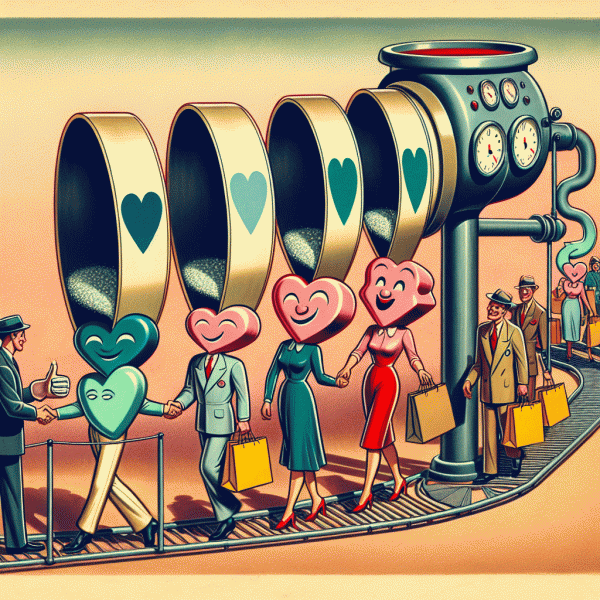
Think of this as a seven-day scavenger hunt where the prize is clarity, not vanity metrics. Start by setting three crisp benchmarks: cost per lead you can live with, a minimum conversion rate on the landing page, and one micro-conversion that predicts purchase intent (email signups, click-to-call, content downloads). Capture current performance so you have a baseline and attach simple tags or UTM parameters to every creative. Keep the experiment narrow: one offer, two audiences, and two creatives. That forces a fair fight between hypotheses and keeps sorting simple when results land.
Spend the first 48 hours on signal, not spend. Launch with a tiny budget that still gets statistically useful data for your market size — think 100 to 300 impressions per creative in small markets, higher in crowded verticals. Use a short, sharp variant test: a benefit-led headline versus a problem-led headline, and a CTA that either asks for a micro-commitment or a direct purchase. Make sure tracking is flawless: a visible thank-you page, a fired event in your analytics, and UTM tags in every ad. If possible, route traffic to a single-purpose landing page stripped of distractions; complexity hides failure.
Midweek, read the heat map. Look for early predictors: if click-throughs are high but micro-conversions are low, the offer or page experience is off. If clicks are modest but the micro-conversion rate is strong, the audience needs tuning. Apply simple math: if cost per micro-conversion is under half your acceptable cost per sale, you are in a good spot to scale. If the cost per micro-conversion exceeds your sale threshold and there is no upward trend after swapping creative or tightening targeting, it is a warning flag. Don't chase vanity numbers; prioritize actions that move the needle toward buyers.
By day seven, make a binary decision and a next move. If the numbers meet or beat your benchmarks, double the budget on the winning creative and expand narrowly into lookalikes or interest adjacencies for two weeks. If the test is mixed, iterate once more: tweak the offer, shorten the form, change the CTA, and rerun the most promising pairing. If key signals are missing and costs are rising, pull the plug and document what failed so future tests start smarter. Either way, package the results in one page: what you tested, the clear winner, and the follow-up play. That one-page clarity turns social activity into a repeatable engine for real buyers, not just applause.
Vanity vs Value: Metrics That Prove Pipeline, Not Popularity
Likes and followers feel good — they're the applause from the cheap seats — but applause doesn't pay invoices. If your analytics dashboard is a shrine to impressions and vanity KPIs, you're measuring popularity, not pipeline. Swap the ego metrics for value metrics that actually map to revenue: Leads-to-Opportunity Conversion Rate (how many marketing leads become sales-qualified opportunities), Opportunity Win Rate, Average Deal Size, and Marketing-Influenced Pipeline Value. Those four numbers tell you whether content is creating real buying intent or just sparking a momentary thumbs-up. Set baselines, agree targets with sales, and use them to prioritize campaigns that feed the funnel rather than inflate your ego.
Don't guess — instrument. Add UTM parameters to every campaign link, push every form and behavioral event into your CRM, and build a simple lead-scoring model that rewards clear intent signals: demo requests, pricing page views, repeated visits, trial activations and high-percentage video watches. Example scoring: demo request = high intent, pricing PDF = medium, blog read = low — then tune thresholds until MQLs convert to SQLs at a predictable rate. Implement multi-touch attribution so early nudges get partial credit and you can see which content actually seeds opportunities. Track content depth (time on page, scroll depth, video view percentage) and time-to-first-value (days from first touch to demo or trial) to move from vanity to value.
Optimize for pipeline efficiency, not vanity optics. Use a simple revenue-translation formula: Velocity = (Opportunities × Avg Deal Size × Win Rate) / Sales Cycle Length — it turns funnel activity into a revenue run rate and clarifies tradeoffs. A 10% lift in win rate or a 20% shorter sales cycle often beats a 50% bump in impressions. Run A/B tests on landing pages and CTAs instrumented to measure lead quality, not just volume; prioritize retargeting to users who consumed high-intent assets; and implement lead routing rules so sales follows up in minutes, not days. Also calculate cost-per-pipeline-dollar for each channel so you can funnel budget to what produces dollars, not just engagement.
Finally, change how you report and celebrate wins. Build dashboards that show pipeline influenced per campaign in currency, not clicks; include the four value metrics, a heatmap of time-to-conversion, and channel cost-per-pipeline-dollar. Quick playbook: map your top three campaigns to the pipeline and their dollar impact; add UTMs and behavioral scoring to every active campaign; schedule a 30-minute alignment session with sales to lock SLAs and follow-up rules. Do that and you'll stop chasing applause and start closing customers — the kind that sign, pay, and tell their friends.
Targeting Tweaks that Turn Scrolls into Sales
Most teams treat targeting like a checkbox: select a few demographics, toss in some interests, and hope the algorithm does the rest. If you want scrolls to become purchases, flip that script and treat targeting like matchmaking. Build tiny, behavior-driven audiences—people who opened the pricing page in the last 7 days, viewers who hit 60% of a product demo, or folks who downloaded a specific how-to guide—and design one clear next step for each. Don't blast a generic brand line; hand each micro-audience an offer that speaks to their exact friction point, swap out stock imagery for real proof points, and make the path from ad to checkout so obvious they barely notice they're being sold to.
Here are practical tweaks you can deploy today: start with intent signals (page views, video thresholds, cart adds) and tighten them with exclusions (recent purchasers, active trial users, support tickets). Use layered audiences—combine behavior with lifecycle stage and preferred device—to avoid wasting impressions. Set lookalikes at multiple sizes (1% for precision, 3–5% for scale) and test different event windows (3 vs 28 days) so you're not fishing with the wrong net. Frequency caps prevent ad fatigue; daypart and device-split your bids (higher bids on mobile evenings for app installs, desktop midday for B2B demo signups). Match creative length to intent: short, benefit-led hooks for warm retargeting; longer social-proof demos for mid-funnel skeptics; hard-offer messages with urgency for high-intent audiences.
Small, structured experiments pay huge dividends. Run A/B tests that change only one targeting variable at a time—audience size, exclusion rule, or event lookback—and let them run long enough to see conversion step changes. Measure stage-based conversion rates (view-to-add, add-to-checkout, checkout-to-paid) instead of vanity metrics, and route budget to segments that lift revenue per ad dollar. Use dynamic creative to swap the exact product, price, or testimonial for the viewer, and localize offers by geography, language, and calendar events so relevance becomes the hook, not the headline.
- 🚀 Audience: Build micro-segments from intent signals—recent pricing page visitors, demo watchers, cart abandoners—and exclude current customers to conserve reach.
- 👥 Hook: Tailor the creative to the micro-audience: social proof and case studies for skeptics; scarcity + discount for high-intent shoppers.
- 🤖 Sequence: Design short, automated retargeting paths—reminder, social proof, offer—to move people down the funnel without overwhelming them.
Finally, operationalize what works: allocate ~20% of budget to exploration (new segments and creative), and 80% to scaling proven combos. Refresh audiences regularly (every 7–30 days depending on velocity), enrich CRM data to refine lookalikes, and automate simple rules that shift spend to winners. The goal isn't perfect targeting; it's predictable movement through the funnel. With a few intentional tweaks—smaller audiences, cleaner exclusions, matched creative, and short retargeting sequences—you turn aimless scrolling into a series of nudges that actually end in checkout. Do that, and impressions will stop being noise and start being transactions.
Creative Hooks: Ads that Convert Fans into Form Fills
Hooked by a sentence is the ad equivalent of tripping over the rug and landing in the checkout. Start with a micro-story or a sharp surprise that makes scrolling stop: a quick contrast, an unexpected stat, or a tiny conflict your audience recognizes. Visuals should feel like the first frame of a movie, and the headline must promise a single, clear payoff. Think less tagline, more tiny promise: a one-sentence reason to move from liking a post to giving you an email.
Three practical hook frameworks to test immediately. 1) Problem flip: highlight a pain the audience already knows, then tease a weirdly simple fix in the copy. Example: "Tired of late shipments? We cut delivery time in half without extra fees." 2) Social shock: use a micro-case with a concrete result that creates FOMO. Example: "How one fan turned a weekend sign-up into a monthly buyer." 3) Value-first offer: give something genuinely useful in exchange for the form, then add urgency. Example: "Free checklist for faster onboarding — 200 downloads left." For each, keep the language plain, specific, and visual.
Pair words with visuals and friction-minimizing tactics. A bold image or short clip should echo the headline, not compete with it. In the creative, put the action in the foreground: a hand filling a form, a cropped calendar showing an appointment, a screenshot of the exact benefit. Microcopy on the button matters more than most people think — replace generic CTAs with tangible verbs like Get My Checklist, Reserve My Slot, or See My Results. Limit the form to one to three fields on first contact; if you need more data, use progressive profiling after the initial opt-in. Consider adding subtle trust cues next to the form: a short stat, a tiny logo cluster, or one sentence of privacy reassurance.
Measure, iterate, repeat. Track conversion rates from impression to form fill, but also watch the micro-metrics that reveal where the hook breaks: video completion, tap-through, scroll depth. A creative that drives clicks but not fills usually means the promise did not carry into the landing experience. When you test, change one thing at a time — headline, visual, CTA, or form length — and run enough traffic to see real patterns. Finish each test with a concrete action: double down on winners, pause losers, and remix the halfway performers. Do this and you will stop collecting likes and start collecting leads that actually become buyers.
Budget and Timing: A 14-Day Boosting Sprint for Quick Wins
Think of this 14-day sprint like a chef's special: tight timeline, bold flavors, zero fluff. Start by deciding your total spend (the number that won't make you wince on day 15) and split it into three windows: test, amplify, and milk. The test window (days 1-4) is your laboratory — small audiences, multiple creatives, and a focus on click-through and cost per lead so you can set realistic CPA targets. Days 5-10 are amplify: double down on winners, reallocate budget away from losers, and introduce a clearer conversion-focused creative and landing page variant. The final stretch (days 11-14) squeezes every last purchase intent with remarketing, countdowns, and urgency-driven messaging that nudges curious scrollers into buyers.
Budget allocation is simple math disguised as marketing magic. Assign roughly 25% of your budget to testing, 50% to amplification, and 25% to retargeting and conversion nudges; if your overall budget is tiny (under $1,000) compress those percentages but keep the same logic. Time your bids to peak hours for your audience and lift bid caps only when early metrics show profitable unit economics. Use short creative cycles — swap images, headlines, or thumbnails every 48-72 hours — and vary format (video, carousel, single image) to see what hooks fastest. If you see a winner, increase its budget incrementally: +20% to +30% per day, not 2x overnight.
- 🚀 Launch: Run three distinct creatives against two audience segments; keep bids conservative and set tight conversion windows.
- 👥 Scale: Move 60% of test wins into the largest-performing ad set, duplicate at 10-20% higher budget, and monitor CPA.
- 🔥 Convert: Retarget engaged users with a time-limited offer, a single direct CTA, and a landing page optimized for one action.
Metrics matter and they should be readable at a glance. Track cost per lead, conversion rate, CTR, frequency, and ROAS daily; check creative-level CTR every 48 hours and landing-page conversion hourly after traffic spikes. If CPA creeps up more than 20% over your target in a 48-hour window, pause and re-evaluate creative or audience overlap. Use simple rules: pause ads with CTR below 0.5% and frequency above 3, increase budgets for creatives with CTR 2x median and CPA at or below target, and run 24-48 hour holdouts to validate landing page tweaks before applying them fleet-wide. Automate the boring stuff so humans can do the clever stuff.
At the end of the fortnight, don't just celebrate the leads: document what scaled and why, preserve winning creative IDs, and build lookalikes from converters for the next loop. Keep naming conventions strict, tag audiences by behavior, and set a refresh cadence — replace or tweak creatives every 7-10 days to avoid fatigue. When you scale post-sprint, do it in measured steps (10-20% daily) and watch frequency and CPA closely; those quick wins will compound into a predictable pipeline if you treat each 14-day loop like a repeatable experiment. Now go make something that stops the scroll and starts the sale.