What each path really pays — and how fast the money lands
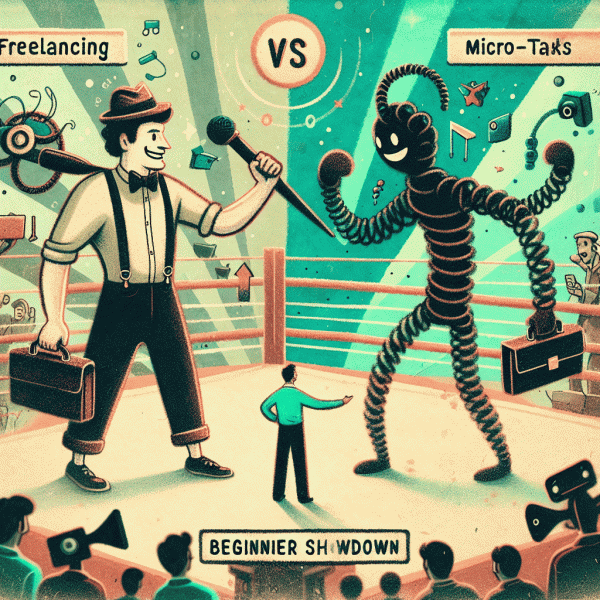
Money talk without the fluff: micro tasks often pay in pennies to a few dollars per hit, and they tend to land fast if you meet platform thresholds. Expect payouts as soon as the task is approved, often within 24 to 72 hours, or instantly if the service offers instant withdraw for a fee. Freelance gigs pay much more per unit of work, often in the range of 20 to 150 dollars per hour for common skill sets, but the cash clock moves slower. New client onboarding, milestone approvals, and standard payment cycles can stretch that first deposit to one week or many weeks depending on the platform and the client.
Think in lanes not absolutes. If you stitch together micro tasks across several platforms you can bootstrap a short term cash flow buffer, but overhead eats into that apparent hourly rate. Platforms take commissions, clients may reject work, and time spent switching tasks reduces efficiency. Freelancing demands more upfront investment in positioning and proposals, yet it unlocks scale via retainers, packaged services, and higher hourly equivalents. Realistic annual math: heavy micro tasking at scale might get someone into the low five figures, while a niche freelance skillset properly marketed can push into mid five or six figures over time.
The tradeoffs show up in three big ways:
- 🆓 Speed: Micro tasks deliver payment fastest but at the smallest units, ideal for immediate cash needs.
- 🚀 Scale: Freelance projects compound value through rates, upsells, and repeat work, making growth possible.
- 🐢 Reliability: Micro tasks are feast or famine and require constant polling; freelancing lets you build predictable income with the right clients.
Practical moves to speed how fast payments land and to raise effective pay: invoice on day one, not day seven; ask for a 20 to 50 percent upfront deposit on larger jobs; use platforms or payment rails that allow instant transfers for a small fee when cash is urgent. Bundle small micro tasks into productized services with add ons to increase per sale conversion. Track platform fees and minimum withdrawal thresholds so you do not leave earnings stranded. Finally automate follow up for unpaid invoices and use clear milestone triggers so approvals do not bottleneck your bank balance.
If you are beginning, treat these paths as friends not enemies. Use micro tasks to bridge cash flow while you build a portfolio, client case studies, and a simple contract template that speeds onboarding. Then move select repeatable deliverables into higher priced freelance offerings, lock in retainers, and tighten payment terms. That hybrid approach gives immediate breathing room plus a runway to scale into steadier, higher paying freelance income. Pick one small action today: send a one page proposal that asks for a deposit, or sign up for one micro task platform and hit the payout threshold. Both put money on the table and keep momentum moving.
Skill‑building: sprint with micro‑tasks, level up with freelancing
Think of skill-building as a two-gear bicycle: micro-tasks are the sprint gear—short, intense, repeatable—while freelancing is the climb gear—longer, steeper, and where you actually build muscle. Micro-tasks let you iterate, fail fast, and file away tiny wins; freelancing forces you to stitch those wins into a coherent project that clients will pay for. The sweet spot is using micro-tasks to rehearse hairy parts (edge cases, tricky UI, odd file formats) and freelancing to practice orchestration: scope, communication, deadlines. That's how hobby practice turns into professional capability without burning out.
Treat micro-tasks as focused drills. Pick a skill, set a 25–90 minute sprint, and aim for one discrete outcome: a bug fixed, a unit test passing, a single reusable component. Keep a short checklist: what you'll try, the expected result, and one metric (time to finish, number of retries, quality score from a peer). Rotate tasks so you don't plateau: combine creativity, speed, and tools you don't yet trust. Don't chase the highest-paying gigs here—chase repetition, feedback, and micro-improvements. Record snippets to reuse later in proposals and portfolios.
When you step into freelancing, those micro-skills get bundled into deliverables. Start with small paid projects that force you to own more than a single file: client communication, scope negotiation, error handling, documentation, and deployment. Price for learning as well as cash—charge enough to be taken seriously but low enough that clients accept minor rough edges. Use each contract as a lab: which micro-tasks required too much time? Which tools saved you? Capture templates, boilerplate, and negotiation scripts. Over time you'll replace fragmented practice with systems that scale — proposals that win, workflows that ship faster, and case studies that turn into referrals.
Make a weekly routine that blends sprints and projects so learning compounds: 2–3 micro-sprints midweek, one client or pro-bono project over the weekend, and a reflection slot to harvest patterns. Here are three practical modes to rotate through:
- 🚀 Drill: Time-boxed micro-task (30–60 min) to practice one technique and collect a tiny artifact.
- ⚙️ Apply: Short freelance task (1–7 days) where that technique is a component of a real deliverable.
- 💬 Reflect: Post-job writeup (30–90 min) that turns outcome into a template, snippet, or pitch line.
Finally, treat progress like versioning: label each milestone, tag what you learned, and iterate. If you're feeling stuck, pick one micro-task you dread and do five of them in a row—by the fifth one it'll feel ordinary and teach you the rare edge cases clients actually pay for. Keep a simple tracker (spreadsheet or notes app) with three fields: skill, evidence link, next experiment. Small, regular sprints win over occasional heroic projects. Start today: grab one ten-minute task, ship it, and let that tiny victory fund your next paid step.
Time control: flexible hours vs on‑demand pings
Think of time as your most charismatic client: fickle, flattering, and surprisingly picky about how you spend it. In a freelancing life you get to audition for the lead role — you pick your scenes, rehearse, and decide when to show up for curtain call. Micro‑tasks, by contrast, are the stage door: quick calls, surprise requests, and the thrill (or terror) of instant pings. Both worlds pay you for attention, but they negotiate differently with your calendar.
Freelancing hands you a map and says: draw your route. Want to do deep design work at 4 a.m.? Go for it. Need an afternoon nap because your brain shines at dusk? That's part of the contract. That control lets you build longer focus blocks and charge for the value that comes from sustained attention. Micro‑tasks trade depth for immediacy: short gigs, fast payouts, and a steady stream of interruptions that are great for momentum but terrible for concentration. Those on‑demand pings can be liberating when you're cash‑hungry, and exhausting when you're trying to ship a big project.
To make this useful (not just poetic), here are three quick ways time behaves differently depending on the lane you pick:
- 🆓 Freedom: Freelancing lets you schedule long, undisturbed blocks for high‑value work — ideal for projects that need context and craft.
- ⚙️ Speed: Micro‑tasks reward fast turnaround and volume; short attention bursts often beat slow perfection when the goal is quick earnings.
- 🚀 Momentum: Freelancers build project momentum over time, while micro‑taskers ride a conveyor belt of instant wins — both are momentum, but with different velocities.
Actionable middle ground: treat your calendar like a product roadmap. Block frank, immutable "deep work" hours for freelance projects and label them with an out‑of‑office tone; carve out bite‑sized windows for micro‑tasks to avoid bleed. Use tech: a focused mode that silences nonessential pings, templates that cut response time, and a simple triage rule — if it's <15 minutes, do it in a short task slot; otherwise schedule it. Set expectations with clients up front (hours, turnaround, escalation channels) so they don't assume you're standing by 24/7. Finally, measure: track how many interruptions cost you a completed hour of deep work and price accordingly.
No single choice is morally superior — it's about tradeoffs. If you crave rhythm, predictable milestones and higher rates, lean into freelancing; if you need immediate cash and variety, micro‑tasks can be a smart sprint. Or better yet, design a hybrid rhythm: morning sprints of micro‑tasks to pay the bills, afternoons of focused freelance time to build your portfolio. Either way, own the clock instead of answering to it — and remember, the best schedule is the one you can keep without hating yourself by Friday afternoon.
Risk and reliability: feast‑or‑famine or steady trickle?
Money flows tell the truth. One month a freelance project pays like a small jackpot, the next month the inbox is quiet and dinner options are fewer than desired. Micro tasks, by contrast, show up as tiny, repeatable drops that add up slowly but predictably. This is not a value judgment, it is a personality and lifecycle fit test. If adrenaline and high stakes motivate you, the spike and slump of higher‑pay freelance work might feel like fuel. If calm rhythms and reliable baseline income help sleep come easier, a stream of micro tasks can be the backbone of a steady week. Either path can work, and the best choice depends on cash runway, tolerance for volatility, and long term goals.
Think of risk in three practical buckets: cash, time, and reputation. Cash is the most immediate: how many months of expenses can you cover when a big client pauses? Time is about opportunity cost: does chasing a high paying gig block you from many small wins that compound? Reputation is long game: a strong portfolio and client referrals reduce feast and famine over time, while micro platforms reward speed and reliability more than narrative. To act on this assessment, try these small experiments to observe which rhythm suits you. Measure how many hours per week you can realistically devote to pitching, how long onboarding takes when work arrives, and how often payments actually land when expected. Then decide whether to prioritize runway, reduce churn, or automate repeatable tasks.
When it comes to mitigation, three quick strategies cut across both worlds and can be deployed right away.
- 🚀 Upside: Negotiate partial upfront payments or milestones for bigger freelance projects so a single win does not become entire month income risk.
- 🐢 Predictability: Build a small retainer or recurring micro task block that covers essentials like rent and software costs before aiming for growth gigs.
- 🔥 Control: Track your effective hourly rate including admin time, platform fees, and revisions; set a minimum acceptable rate and be ready to walk away from offers below it.
Finally, use a hybrid mindset as a tactic rather than a forever label. Start with micro tasks to fund a six to eight week runway, then allocate 10 to 20 percent of weekly hours to pitching higher paying freelance work. Automate outreach templates, batch portfolio updates, and schedule review sessions to monitor burn rate and client leakage. Metrics to watch are effective hourly income, client acquisition cost measured in hours, and payment lag days. If holiday months reveal a pattern of drought, treat that as data, not destiny, and design a buffer or seasonal offer. The long term winner is often the person who blends short term steady trickles with selective feast opportunities, keeping bills paid and growth possible. Take action: set a two month experiment, log outcomes, and iterate based on evidence rather than fear.
Start here: a 30‑day game plan to test both without burning out
Think of this 30‑day experiment as a scientist's lab notebook crossed with a low‑drama bootcamp: you will test freelancing and micro‑tasks side by side, measure real results, and keep your life intact. Start by deciding your time ceiling (e.g., 15 hours a week) and a simple outcome metric: dollars per hour, yes — but also how energizing the work feels on a scale of 1–5. Block two daily windows: one deep session for targeted freelance work (proposals, portfolio updates, client calls) and one short session for micro‑tasking (quick gigs, paid tests, tiny automation). Give yourself a one‑sentence mission each morning so decisions stay shallow and fast: "Today I will send three tailored proposals" or "Today I will test five micro‑task platforms for payout speed." Track everything for habit, not heroics.
Divide the month into four pragmatic weeks. Week 1: setup and scout — polish a barebones portfolio, write three reusable proposal templates, and create accounts on a handful of micro‑task platforms. Week 2: validate quick wins — spend the short sessions completing tasks that pay out quickly and note which platforms have honest payments and reasonable time-to-complete. Week 3: hustle for freelance traction — treat proposals like experiments: vary headlines, value props, and prices, then follow up respectfully. Week 4: optimize and compare — raise or lower your micro‑task tempo and try a slightly higher-paid freelance project. Daily time could look like 90–120 minutes for deep freelance work, 30–60 minutes for micro‑tasks, and 15–30 minutes for admin and learning; tweak to fit your energy.
Measure like you mean it. Track gross earnings, time spent, conversion rate on proposals, average payout time for micro‑tasks, and a simple mood score after each session. Use a timer and a one‑row spreadsheet if fancy tools make you procrastinate. Also track soft signals: did a task lead to repeat work, and does a gig give you something to talk about in a portfolio? If you want extra resources while testing how to earn money online, use them strictly for validation, not distraction. And guard your nervous system: try 50‑minute focus blocks with 10–15 minute breaks, cap daily hours, and declare at least one rest day per week.
After 30 days, compare apples to apples. If freelancing produced higher revenue, stronger client leads, and more professional fun, double down: niche down, raise your rates, and systematize outreach. If micro‑tasks netted steady, low‑stress cash and you value predictability, batch similar tasks, automate what you can, and funnel earnings into learning tools that raise your hourly. The pragmatic middle is a hybrid: use micro‑tasks as a buffer for lean weeks and freelancing to chase growth and higher rates. Treat this month as data, not destiny: tweak one variable for the next 30 days and iterate. Your final micro‑challenge before moving on: send three new proposals, complete five different micro‑tasks, and write one honest paragraph about what felt sustainable.