Five Minutes, Fifty Cents: The cruel math behind micro-task pay
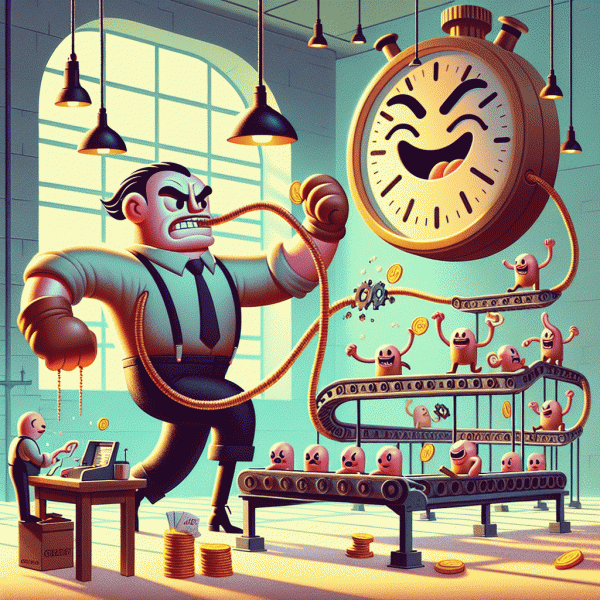
Five minutes, fifty cents sounds like a harmless trade until the numbers start whispering the truth. At face value that is $6 per hour if tasks stack back to back, and $48 for an eight hour sprint. Sounds okay for spare time, right? But the micro-task economy rarely offers back to back perfection. There is instruction reading, qualification quizzes, waiting for new HITs, clicking through captchas, and the inevitable slow page that eats ten seconds at a time. When you add those micro friction costs, five minutes per task morphs into seven or ten. The math flips fast: what began as a decent coffee fund becomes a rate that would embarrass a lemonade stand.
Do the cold calculation on your own phone and be ruthless. Time one clear hour of work and count only the minutes spent actively completing paid steps. Multiply the average task time by pay per task and extrapolate to an hourly total. That number is your baseline truth. Now subtract time lost to rejections, bad batches, and payout friction. Platforms can hold earnings until thresholds are met, charge fees, or require identity verification that pauses income for days. Taxes and payment processor fees make that baseline shrink again. The result is rarely the headline figure that lured you in.
Hidden risks make the cruel math worse. Rejected tasks often mean no pay for work already done. Low quality guidelines can be subjective, and client feedback can remove whole days of income. Geographic pay variation means identical tasks pay less for large groups of people. Device or browser quirks can inflate completion time, while unreachable support leaves you with no recourse. If you are a client trying to design fair gigs, check platforms for clients for ideas on transparent payment and clear instructions. For workers, the takeaway is simple: treat micro-tasking like a piecework gig, not pocket change. Track, document, and contest low quality rejections quickly.
Practical moves you can use right now: set a personal minimum hourly floor and ignore tasks that would undercut it, batch similar tasks to cut context switching, create short templates for common responses, and use a basic timer or spreadsheet to log true task time. If a task pays fifty cents for five minutes, decide whether you will accept the implied wage or spend that time learning to do higher value micro jobs or short freelance gigs. Above all, value your attention. Five minutes sold too cheaply compounds into hours of lost opportunity. Be witty with your hustle, but do not be cheap with your time.
App Hype vs Real Life: What glossy screenshots never show
App stores love glamour shots. They show sunlit hands tapping a phone, a progress bar full to the right, and a neat green badge that seems to promise money without sweat. In the wild, micro task platforms do not hand out cinematic scenes. They hand out tiny tasks, delayed payouts, and a ruleset that changes when least convenient. The glossy screenshot is a marketing script, not a user manual, and the gap between that script and what actually happens is where your time budget either earns interest or evaporates like a free trial.
Behind the bright banners live a few recurring omissions. Average hourly rates are absent because they vary wildly by time of day, location, and whether tasks get rejected on review. Minimum cashout thresholds and fees often hide in settings menus so deep they might as well be a scavenger hunt. Gamified elements are fantastic at keeping attention but terrible at guaranteeing steady income. Network hiccups, app crashes, and long verification queues turn a 60 second task into a ten minute affair that pays less than minimum wage once you factor in attention tax and device battery drain. The marketing image shows a perfect flow. Reality is a tangle of retries, cooldown timers, and silent rejections.
When evaluating an app, treat screenshots as advertising art and instead dig into metrics that matter. Use this tiny checklist as your first filter and run a one hour experiment before you commit more time:
- 🔥 Payout: Check per task pay and minimum cashout then compute real hourly by timing tasks
- ⚙️ Rules: Read the fine print about approvals and rejections to avoid surprise clawbacks
- 👥 Social: Skim recent user reviews for patterns rather than one off complaints
Final pro tip: treat micro tasking like a lab experiment. Run short, timed sessions and log every minute for a few days to compute a reliable effective rate. If your time is worth more, protect it with a strict cap and use the platforms for low friction spare cash only. If you enjoy the work, optimize by stacking tasks from apps that have consistent payout and quick approvals, not from the ones with the prettiest screenshots. Marketing will always sell a better day than reality supplies, but with a little measurement and a tiny bit of skepticism you can turn micro tasks into honest pocket money rather than a slow time sink.
Quick Wins: Filters, niches, and time blocks that actually pay
Treat micro-tasks like tuneable instruments: tiny adjustments change the whole song. Start with filters you can actually measure — minimum payout, estimated completion time, requester approval rate, and keyword matches — and save those searches. Use platform filters or browser extensions to hide anything below your baseline and blacklist repeat low-value requesters. A simple calculation tells you if a hit is worth it: (payment ÷ estimated minutes) × 60 = effective hourly. If that number is lower than your floor, skip it. Make a little tracker and log the top five task types for a week; when you compare real time spent to advertised time you will quickly learn which filters are false savings and which are pure gold.
Then pick and polish a niche. Speed comes from repetition, so choose two task families where you can get faster without losing quality — short product descriptions, simple audio transcriptions for interviews, image tagging in a fashion category you know, or QA testing small mobile flows. Create templates, keyboard macros, and canned messages so responses are nearly one keystroke. Spend a small amount to buy a text-expander and learn keyboard shortcuts; that $10 investment can cut minutes off hundreds of tasks. Build a micro-portfolio or example files that prove you're reliable and watch repeat requesters and invite-only batches start to appear.
Time blocks are the enforcement piece. Slot 25–45 minute sprints into your day and batch identical tasks together to avoid context switching. Reserve your sharpest hour for the niche work that pays best and schedule mindless tagging or approvals when energy dips. Put strict stop rules in place: no more than three sprints on one task type, and abort the session if your effective hourly falls beneath your predetermined threshold. Use a dual timer system — one to force short breaks, one to count productive minutes — and keep a session log with task counts and earnings so you can watch for performance decay instead of guessing at it.
Finally, combine those three levers into a simple weekly workflow. Example: two morning sprints for high-value niche tasks, a post-lunch batch of medium-effort tagging, and a short evening cleanup when request volume spikes. Track three numbers every session — tasks completed, minutes spent, money earned — and compute the real hourly. If you hit a ceiling, reinvest time into a tiny skill upgrade, a better headset, or scripting an automation rather than grinding past it. The aim is not to strike oil; it's to convert idle minutes into reliable micro-income. With sharp filters, a focused niche, and disciplined time blocks, micro-tasks stop being a time sink and start behaving like small, dependable revenue taps.
Hidden Costs: Fees, taxes, and burnout no one budgets for
Micro-tasks look like easy wins, but the money you see is not the money you keep. Platforms take a cut, payment processors skim a sliver, and currency or withdrawal fees nibble at the remainder. Add in time spent reading briefs, applying, and chasing payments and you start to lose hours before you earn a penny. For example: a $5 task minus a 20% platform fee, a 3% processing fee and a $1.50 withdrawal leaves you with about $3.40 — and that is before taxes and the minutes you spent getting it done. Small percentages add up; what felt like fast cash can quickly translate to a microscopic effective rate.
Taxes and admin are the silent drains. If you are classed as an independent contractor you are responsible for self-employment taxes, quarterly estimates, and meticulous recordkeeping. Time spent tracking receipts, preparing invoices and reconciling statements is real work that reduces your net take-home. There are deductions to soften the blow, but they require discipline and sometimes software or an accountant. Rule of thumb: set aside a fixed percentage of every payment (many experts suggest 20–30%) so you do not get hit by surprise tax bills.
Then there is burnout, which is often the steepest cost of all. Repeating tiny, attention-sapping tasks fragments focus and chips away at creative energy you could use for higher-value projects. Even if your per-task payout is positive, the mental switching cost can lower your overall hourly productivity and leave you less motivated for anything that pays better. One or two micro-gigs as a side hustle can be fun; turning them into your main income stream is a recipe for exhaustion and slow financial decline.
Be tactical: treat micro-work like any other business and measure the full cost. Calculate your true hourly rate with a simple formula — (earnings − platform fees − taxes − tool subscriptions) ÷ total hours — and set a minimum acceptable number. Automate where possible, pick platforms with kinder fee structures, batch similar tasks to reduce switching loss, and create canned rejections for low-paying offers. Small changes — a 10% fee cut, a faster withdrawal option, or a hard hourly floor — compound fast. Micro-tasks can be useful snacks, but unless you account for fees, taxes and burnout they will never replace a proper meal.
Smart Stacking: Turn tiny tasks into real money without losing your day
If you're treating micro-tasks like lottery tickets—clicking anything that buzzes and hoping for a payday—you're wearing effort like confetti: fun for five minutes, useless on Monday. Smart stacking treats tiny jobs like ingredients, not snacks. Group similar tasks so each minute buys leverage: all the audio transcriptions in one go, all the product photo tags in another, and the same short survey answers in a third. When your brain stays in one mode and your tools stay in one state, per-task time drops and your effective hourly rate climbs without chaining you to the app.
Start with a quick audit: list tasks by tool, by outcome, and by payout size. Give preference to tasks that use the same app or template, because switching costs are stealthy thieves. Build a small library of templates and copy snippets for the predictable bits—greeting lines, common tags, formatting blocks—and keep a single browser profile or window with the necessary tabs open. Use focused blocks (20–40 minutes) rather than random five-minute attempts; you'll finish more tasks and avoid the cognitive tax of constant context-shifting. Set a minimum payout threshold for the day so you don't burn hours on crumbs.
Leverage small automations to multiply gains: text expanders, clipboard managers, and browser extensions save seconds that add up to dollars. If a site allows keyboard shortcuts or canned responses, use them; if a task is template-friendly, turn it into a template. But be smart about platform rules—don't automate in ways that violate terms. Also, measure the tradeoffs: track how many tasks you close in a sprint and the money you made from them. That simple ratio—effective hourly rate—will tell you what to keep stacking and what to cut loose.
Try a one-week experiment: pick two task types that share tools, design templates for both, and run two 30-minute sprints daily. Record time, count, and money; then iterate. If a task repeatedly fails your time/money test, kill it fast. If one stack outperforms, invest more focused time there or scale it by adding another matching task queue. With a little planning, a handful of tiny jobs can stop feeling like a second job and start feeling like a side hustle that actually pays—without letting the micro-task hamster wheel eat your afternoon.