Build the Buzz: Where Your Crowd Actually Hangs Out
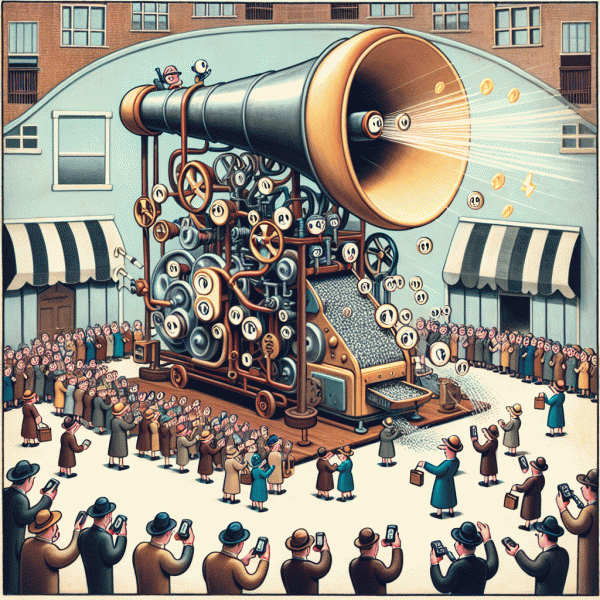
Think of finding your crowd like picking the best party in a city you do not yet know: you want the room where conversations are already buzzing about what you do, not the place where you shout and get blank stares. Start by mapping where conversations happen for your niche. Scan product reviews, comments on competitor posts, FAQ threads, and the bios people use to describe themselves. Build a tiny channel map spreadsheet with columns for audience vibe, top topics, tone, peak hours, and a single test idea. That last column prevents analysis paralysis and forces action: pick two spots and commit to three weeks of real listening and one small contribution each week.
To narrow the field fast, here are three high-return places to check first:
- 👥 Forums: deep-dive pockets where long form answers win — use them for helpful guides and signature links.
- 💬 Socials: fast-moving streams for bite sized value and creative hooks that spark shares.
- 🚀 Meetups: IRL or virtual events where brand trust accelerates through face time and demos.
Once you identify promising hangouts, enter with a simple behavior plan: listen for a week, contribute three genuinely helpful posts, then seed one low-friction offer. Keep posts problem-focused and avoid sales speak; think like a neighbor with the exact tool someone needs. Use lightweight tactics that scale: a how-to thread, a one-question poll, user generated content prompts, or a tiny freebie that solves a clear pain. Track what matters: engagement rate, conversation depth (comments per post), referral clicks, and the one metric that proves business value for you, like demo signups or coupon redemptions. If you use tools, pick one social listening tool and one analytics dashboard and keep them simple.
Finally, turn discovery into a repeatable experiment: run a 14-day pilot on one channel, measure the five signals above, tweak your creative, then repeat for the second channel. If a micro-test produces at least one steady lead or a clear content winner, scale by automating routine posts and recruiting micro-ambassadors from early fans. Small bets, smart listening, and playful persistence will turn those digital rooms into revenue-making relationships. Ready to go where the crowd already gathers and make them care? Start your two-channel pilot today and treat feedback like gold dust.
From Post to Purchase: A Step-by-Step Conversion Path
Think of the conversion path as a friendly relay race: a post hands the baton to a comment, the comment hands it to a message, and the message slides it straight into checkout. Each micro-step matters because attention is fragile and choices are many. Start by mapping the tiny promises you make in a post — intrigue, value, clarity — and make sure every next step delivers on that promise without asking for too much too soon. Small wins build trust; trust turns a curious click into a confident purchase.
Turn that map into an action plan with a simple sequence: attract, signal, nudge, collect, and convert. Attract with a clear benefit, signal social proof so the new visitor feels safe, nudge with a single strong CTA, collect minimal data to reduce dropoff, and convert with one-click friction removal. If you need quick extra hands to seed early engagement and validate angles, consider the shortcut of hire freelancers fast to test different captions, CTAs, and first-touch comments.
Here are three tiny experiments that pay dividends when chained together:
- 🆓 Lead Magnet: Offer a micro freebie directly from the post to capture an email in under 10 seconds.
- 🚀 Fast Social Proof: Seed realistic comments and short reviews to make the first visitors feel normal and safe.
- 👍 One-Click Flow: Reduce buttons to one clear action and prefill information where possible to speed checkout.
Operational tricks make the funnel behave like a charm. Reply to early comments within minutes to amplify engagement, use UGC snippets on the product page so the transition from post feels seamless, and drop a timed incentive only after a visitor has seen two pages. Retarget people who engaged but did not complete with a micro-offer that solves the single reason they left. Track micro-conversions like comment-to-message rate and CTA click-to-cart rate; those are the signals that tell you where the baton is being dropped.
Finally, measure, iterate, and keep the experiments tiny. Run three concurrent A/B tests: headline, CTA copy, and checkout friction. Scale the combination that lifts post-to-purchase by the largest margin, then rinse and repeat. Conversion is not magical; it is the product of deliberate micro-decisions that nudge a person from casual scroll to loyal customer. Start with one post, test one tweak, and you will be surprised how quickly small wins compound into real revenue.
Copy That Converts: Comments, Micro-Influencers, and Social Proof That Sell
Think of the comment section as a pocket-sized sales floor: quick endorsements, tiny case studies, and persuasive micro-conversations that sit right under a post where people already trust the context. The highest-converting crowd copy does three things at once — it reassures, it demonstrates, and it points to the next small action — all in the voice of a real person. That is the advantage of pairing crisp comment copy with micro-influencers: reach plus credibility. When those two move together, passive clicks evolve into engaged clicks, and then into purchases, because prospects see others like them getting a real result.
Start by writing comment copy that reads like help rather than hype. Use a simple formula: hook + specific benefit + micro-proof + tiny CTA. Example templates that convert: "Saved — used for travel and the fabric still looks new," "Bought this last month; reduced my morning routine by 10 minutes," or "Pro tip: use on damp hair for a softer finish." For micro-influencer briefs, ask for two complementary comments: one reaction (emoji + one-liner) and one mini-review with a clear benefit and an optional image or Story. That combination builds a thread of authenticity instead of a single shout that people scroll past.
- 💬 Prompt: Ask for a one-sentence result tied to a real outcome (time saved, money saved, visible change).
- 👥 Tone: Friendly and specific — avoid superlatives; use tradeoffs and tiny details that make the endorsement believable.
- 🚀 CTA: End comments with a low-friction action — "tap to see shades," "swipe for before/after," "link in bio for sizes."
Measure and iterate like a scientist: rotate comment variants, test micro-influencer tiers (nano vs micro), and track lifts with short UTMs and conversion pixels. Start small — ten thoughtful comments spread across a few posts and one micro-influencer seeding real use-case content — then scale what moves the needle. Pay in product, small fees, or affiliate splits for authenticity instead of rigid scripts. In short: craft short, human copy for the crowd, let tiny trusted voices amplify it, and treat the comment stream as a conversion channel you can optimize. Think of it as small talk that makes bank — and then do exactly that.
Track What Matters: UTM Hacks, Pixels, and ROI You Can Brag About
Data is the secret sauce that turns random crowd clicks into predictable sales, and you can get that sauce on the table without a PhD in analytics. Start with a mindset shift: tracking is not busywork, it is the revenue engine. Decide up front what counts as success — first click, last click, micro conversion, repeat purchase — then instrument for that. If your tags, pixels, and UTM naming are messy, your dashboards will tell fairy tales instead of ROI stories. Clean data lets you stop guessing and start bragging.
UTM hacks that actually save time and sanity are delightfully low tech. Standardize campaign, source, medium, term, and content names with a short, human readable convention: product_abbrev_channel_campaign_variant. Example: utm_campaign=shoe23_launch&utm_medium=ig_story&utm_source=affiliate123&utm_content=discountA. Use a central spreadsheet or, better, a tiny form that populates UTM templates so partners never invent new labels midflight. Prefix high-risk traffic with a token so you can filter bots and trial runs. Also tag micro conversions (email_signup, add_to_cart, chat_started) so you can measure lift before a sale happens and prioritize channels that accelerate the funnel.
Pixels are not magic bits; they are tiny truth-tellers. Place a base pixel on every page and fire event pixels for the micro steps you care about. Map each pixel event to a business metric so your ad platform can optimize toward signals that predict revenue. Use deduplication logic to avoid double counting across server-side and client-side implementations. Shorten attribution windows for fast-cycle offers and widen them for products with longer consideration times. Run a short incrementality test: hold out a small control audience, turn off campaigns for them, and compare lift. If installs or purchases do not drop, you are not driving incremental value — and that is the single most useful insight for scaling smart.
Make ROI a reporting ritual and keep the brag factor honest with these quick checks:
- 🆓 UTM Template: enforce one naming sheet and auto-generate links for partners so tracking is consistent from day one
- ⚙️ Pixel Hygiene: verify event-to-revenue mapping weekly and log fixes so attribution stays accurate
- 🚀 ROI Calc: compare incremental revenue against CAC across cohorts and use rolling 30- and 90-day windows to surface winners
Avoid the Pitfalls: Spam Traps, Bad Fits, and How to Dodge Them
Think of crowd marketing like hiring a flash mob: when it goes right, the crowd sings your brand anthem and funnels buyers to your checkout; when it goes wrong you get a viral headache — spam flags, irrelevant placements, and engagement that looks impressive but never pays the bills. The first defense is recognizing those traps early. If a channel's activity spikes overnight or comments read like auto-generated breadcrumbs, that's a red flag. Treat early warning signs like your campaign's pulse, not background noise.
Spam traps are clever: platforms and filters reward authenticity and punish anything that smells automated. Avoid blasting identical copy across a hundred micro-influencers; that uniformity is what gets you flagged. Instead, require unique angles, limit identical anchor text, and insist on organic-looking pacing. Run small pilots, check deliverables for natural language, and use tools like reputation scorers or simple manual sampling to score quality. Remember: one false positive on a spam list can tank deliverability for weeks.
Not every audience is your audience, and a mismatched crowd is the most common leak between clicks and sales. Vet partners for relevance, not vanity metrics. Before you scale, ask for audience demos, past campaign case studies, and a sample post. Here are three quick guardrails to make vetting painless:
- 🆓 Spam: Scan for copy duplicates, bot-like engagement spikes, and banned-domain links; reject anything with identical text or suspicious timestamps.
- 🐢 Fit: Demand audience proof — demographics, interest tags, or screenshots of prior posts with comments — to verify alignment over follower counts.
- 🚀 Quality: Run a micro-test budget (5–10%) to measure downstream metrics: time on landing, micro-conversions, and cost per acquisition, not just CTR.
Dodging bad fits also means structuring campaigns so each partner earns based on outcomes. Move beyond flat fees: mix performance bonuses, milestone payments, and creative control clauses so partners have skin in the game and your message stays native. Track conversions with UTM parameters, short links, and a simple attribution window so you can quickly spot which placements drove real behavior. If something underperforms, pause, debrief, and iterate — don't dump more budget into a leaking bucket.
Finally, build a lightweight SOP: a quick checklist your team or agency runs before approving a partner. Sample copies, spam checks, audience proof, a micro-test clause, and a clear KPI set. Treat crowd marketing like a series of experiments, not an infinite on‑ramp. With a few vetting steps and a bias toward testing, you'll keep the spam traps and bad fits out of the funnel and steer more clicks toward actual sales.