Vanity Metrics, Real Money: Why Fake-Looking Numbers Still Move Buyers
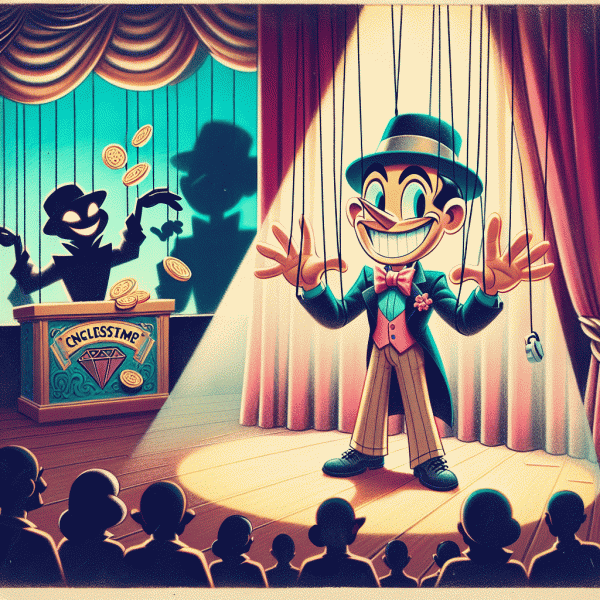
Imagine walking into a party where everyone is clustered around one conversation. Even if that conversation is about nothing, the crowd makes it look important. That is the basic magic of big numbers on social: they make things look worth paying attention to. Likes, follower counts, and view tallies act like neon signs that say "this matters", and humans are built to follow neon signs. The result is odd but predictable commerce: numbers that look impressive nudge attention, attention begets trust, and trust turns into clicks and, often, purchases.
Under the hood there is a toolkit of cognitive shortcuts that explain why this works. People use social proof to shortcut evaluation; a high engagement count signals that others vetted the product. Visual abundance speeds up decision making because it increases perceptual fluency; content that looks popular is easier to accept. Algorithms compound the effect by promoting content that already has momentum, creating a feedback loop that makes small investments in paid engagement feel like big organic wins. In practice that means a few thousand strategically placed impressions or boosted posts can create the appearance of mainstream interest and tip fence sitters into action.
When marketers worry that these numbers are "fake", remember that persuasion is not a math equation, it is a production: optics set the stage and conversion copies the lines. Use the optics thoughtfully.
- 👥 Context: Tie visible counts to real proof, for example show a short customer quote under a high-view video so the number and the testimonial work together.
- 🚀 Testing: Run lift tests that compare pages with and without paid engagement to measure causal impact on purchases instead of obsessing over vanity alone.
- 💬 Transparency: Where possible, be honest about promotions and boost creative that amplifies genuine user stories rather than masking paid reach as organic buzz.
This is not an argument to cheat or to trade long term brand equity for a quick trick. The best use of these dynamics is strategic: buy a little momentum, then convert it with substance. Track the downstream metrics that actually pay the bills — add to cart rate, checkout conversion, repeat purchase — and attribute them properly with UTMs and cohort analysis. If the optics create a warmer introduction, make sure the product and funnel do the heavy lifting after the door opens. That combination of smart optics plus rigorous measurement is how you turn glossy numbers into real revenue without losing your reputation.
Bots vs. Boosts: Telling Smoke and Mirrors from Smart Seeding
Think of bots as fireworks and smart seeding as slow candles. Fireworks flash loud and vanish; bots create an obvious shimmer of numbers without depth. Spot them by patterns: instant spikes right after a post, dozens of identical emojis or short one word comments, profiles with no photos or only stock images, and referral traffic from odd countries that do not match your target. Session times are a big giveaway too — a swarm of clicks with sub five second visits screams automation. Keep this mental checklist handy so that when the vanity numbers glow, you can tell whether you are looking at paid fog or a seed that will actually grow.
Smart seeding is the patient artist. It uses real humans, context, and timing to nudge content into small, relevant communities where it can catch fire. Rather than buying a broad spray of likes, it pays a handful of micro creators, niche newsletters, or task workers to post meaningful commentary, try a feature, or share a thoughtful take. The results look organic: steady follower growth, varied comments, and higher retention in analytics. Actionable move: pick ten to twenty niche outlets, rotate three creative angles, and seed over two weeks. If engagement comes in waves and conversations last beyond the first hour, you are on the right track.
Data will be your Lie Detector. Look beyond raw engagement to conversion metrics that matter: clickthrough rate, time on page, pages per session, and conversion rate from social referrals. Compare the ratio of comments to likes; genuine conversations often show more comments and longer replies. Inspect the profiles that engage: are they long lived, do they have mutuals, do they post original content? Quick verifications like reverse image search on avatars and sampling ten accounts for posting history will tell you a lot. Set simple KPIs for quality, not just quantity, and treat those KPIs as the baseline for paid experiments.
Risk control is practical and fun when you make it tactical. Stagger budgets, escalate spend only when a seeding cohort passes quality checks, and require deliverables that include screenshots, tagged posts, or short video proof. Add a cooling period between campaigns to watch organic lift and avoid buying repeated short term bursts. If you are using agencies or task platforms, write simple clauses for authenticity and refunds if grossly fake patterns appear. Finally, capture user generated content from positive interactions so that the same humans can be re engaged without repeating paid injections.
Ready for a tiny experiment that yields real answers? Run a split test: one audience seeded with micro placements and one with broad paid boosts, then compare three week retention and conversion. If you want a starting point to recruit micro testers or to offset early friction with quick, legitimate responses, consider platforms where people complete simple tasks for pay — they make it easier to seed genuine activity and collect proof of engagement. For a fast, hands on option, check get paid for tasks to see how small, real interactions can turn a smoky launch into something that actually sticks.
The Social Proof Loop: Psychology That Makes Paid Look Organic
There is a surprisingly simple engine under the hood of why paid engagement can feel native: people follow people. When a post accumulates likes, comments, or saves, observers make a fast, unconscious calculation — if many others are paying attention, it must be worth attention. That cascade is the social proof loop in action. Paid interactions prime that loop by planting the initial signals, and once organic users start to pile on, the paid origin fades into the background while the psychology of consensus takes over.
Execution matters more than confession. If paid activity is clumsy — a burst of identical comments, a flood of accounts with no history, or a thread full of one-word praise — the brain flags the pattern. But when signals are varied, paced, and come from plausible profiles, they tap the same decision shortcuts people use every day: consensus (everyone else likes it), authority (trusted names engage), and familiarity (repeated exposure increases liking). The trick is to design paid engagement so it catalyzes those shortcuts without screaming that it is paid.
Start with micro-tactics that mimic natural behavior: stagger responses over hours, mix reactions (likes, bookmarks, replies), and seed comments that start conversations rather than serve as applause. Here are three practical starters you can try right away:
- 🔥 Timing: Space interactions across the first 24 to 72 hours to match real-world engagement rhythms and avoid a suspicious spike.
- 👥 Variety: Use a mix of interactions and voice styles so the pattern looks like multiple real people responding.
- 💬 Prompt: Leave comments that invite replies or add value, because conversational threads are a powerful magnet for authentic participation.
Layer these tactics with lightweight credibility boosters: brief, relevant bios on amplifier accounts; occasional long-form replies that show domain knowledge; and cross-posted references that create an appearance of ecosystem attention. Equally important is a human moderator ready to jump into emerging threads — genuine responses to real questions convert observers into contributors. Think of paid engagement as the ember you drop into the room: you want it to catch on, not to be a bonfire that sets off alarms.
Finally, be deliberate about measurement and guardrails. Track not just raw counts but downstream behaviors — saves, clicks, time on page, subscriptions — to ensure the loop is producing true value. Keep a transparency policy internally: if a campaign tips into manipulation, abort and recalibrate. When done well, this approach respects user psychology and yields scalable results; when done badly, it erodes trust. Play the long game: design paid signals that invite human judgment rather than short-circuiting it.
Risk Radar: Red Flags, Platform Rules, and Brand-Safe Lines Not to Cross
Let us be honest: chasing paid engagement can look like dancing on a knife edge. There is a thrill in a viral spike and a temptation to shortcut rules when metrics are whispering sweet nothings. That is exactly why a Risk Radar is not optional. Think of it as a practical metal detector for shady shortcuts — it does not kill creativity, it protects brand currency. The goal is to spot the sparks that could burn a campaign down before the flame turns into a scandal, while still keeping the growth engine humming.
Before you greenlight a post, scan for the classic red flags that tend to crop up in pay-for-play schemes. These are the things that deserve an immediate pause and a line-item in your contract negotiation:
- 🆓 Transparency: Influencers who avoid clear disclosures, bury partnership language, or suggest ambiguous phrasing. If the paid nature is not obvious, it is a legal and reputational time bomb.
- 💥 Fake Reach: Rapid follower jumps, suspicious engagement spikes, or commenters that read like bot scripts. Bought likes and engagement pods inflate numbers but deflate trust.
- 🤖 Reputation: A creator with a history of controversial or divisive content, unresolved scandals, or a pattern of deleting problematic posts. Past behavior often predicts future headaches.
Platform rules are the other non-negotiable layer. The FTC, CMA, and other regulators have been explicit: clear and conspicuous disclosure is required for paid endorsements. Platforms add their own rulebooks — Meta, TikTok, YouTube, and others enforce native branded-content tags and can remove or penalize content that violates community standards. Operationally, build a simple checklist: require the platform’s paid partnership tag, archive all pre-approval screenshots and timestamps, mandate a disclosure line in the creative brief, and run a red-team review for claims that touch on health, finance, or politics. Small processes — a single-signoff content log, a compliance column in the campaign sheet — reduce major risk.
Brand-safe lines are where ethics, law, and long-term value converge. Do not pay to promote illegal goods, hate speech, explicit adult content, or demonstrably false health and safety claims. Avoid creators who monetize shock value at the expense of marginalized groups. Put these guardrails in writing: a short prohibited content list, a required background check for creators, explicit indemnity clauses, and kill-switch thresholds tied to sentiment or media pickup. Remember that pulling a paid boost is costly but sometimes essential; a prompt decision saves the balance sheet and the brand. Transparency and a strong approvals process make these decisions less emotional and more tactical.
If you want a quick, executable takeaway: build a one-page Risk Radar that lives with every brief. It should include disclosure requirements, three stop-conditions (e.g., undisclosed paid tie, evidence of fake engagement, historical reputation red flag), and an escalation path to legal and comms. Add monitoring for 72 hours post-publish and a templated crisis response ready to deploy. Paid engagement will keep working if you treat it like the powerful, risky tool it is: measured, monitored, and ethically operated. Embrace the upside, but keep the radar on.
Playbook: Use Paid to Spark, Then Turn It into Real Community
Paid engagement often gets painted as a dirty trick, but think of it as a controlled spark: a short, targeted burst of attention that primes real human bonds if you do not let it turn into a neon mirage. Start small and surgical with creative that feels like an invitation rather than an ad push. Design one low-friction action someone can take in 60 seconds or less — react, vote, answer one question, join a micro-challenge — and make that action the start of a visible social feed. Use creative tests to discover which tiny rituals create repeatable behavior, then double down on the ones that lead to second and third interactions rather than just vanity taps.
Execute a two-stage funnel where paid is only the primer and community is the ongoing fuel. Run short paid bursts to attract people who will do a specific thing, then funnel them into a lived experience: a chat thread, a beginner workshop, or a themed cohort. If you outsource some initial labor to microtask platforms, be transparent and funnel the human responders into genuine conversations; for example, use a landing pad that explains the intent and invites real feedback, and link to a place where people can take the next step, like complete online tasks. Track not just click-through rate but the rate at which paid arrivals perform a second social action within seven days.
Turning paid sparks into a self-sustaining community requires incentives that scale away from paid rewards and toward social currency. Ask early members to contribute small, visible pieces of content that get featured, and reward contribution with status rather than cash. Create frictionless rituals — daily prompts, themed threads, badge reveal moments — that let members feel ownership. Train trusted members as light moderators and content amplifiers so conversations stay human and three-dimensional. Use onboarding sequences that introduce newcomers to three ways to get involved within the first week: react, share, and create. Measure the cohort LTV not as purchases alone but as return actions, referrals, and help offered to other members.
Be candid about the ethics and the exit plan: paid seeding must be temporary and clearly labeled when required, and you must be ready to stop spending once the organic loops take over. Monitor signals that show a community is turning genuine — repeated voluntary posts, spontaneous off-topic threads, and members helping one another without prompts — and shift budget into retention experiments, not endless acquisition. Run rapid hypothesis cycles: seed, observe, remove the paid crutch, and see if the behavior remains. Get comfortable with small failures; the dark side is the temptation to keep paying for the illusion. Use paid to spark curiosity, then build real heat with people who choose to stay.