From Stars to Scars: How Ratings Really Get Made
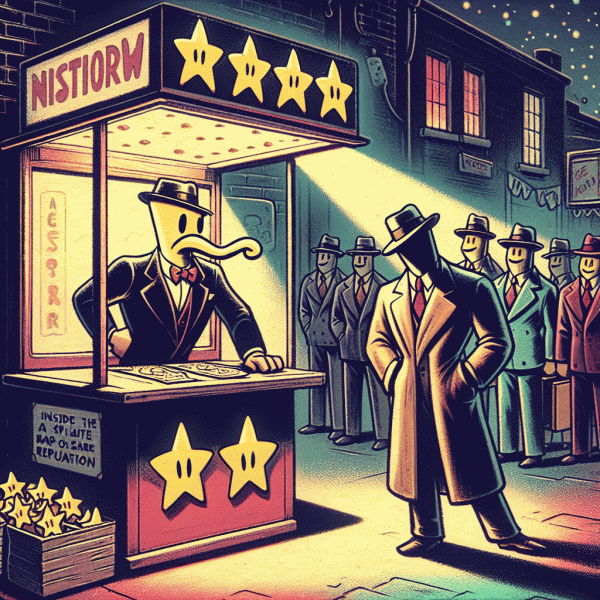
Ratings often arrive looking polished and simple, like little medals on a product page, but behind the shine there is often a whole supply chain. Brokers sell five star packages, gig workers accept microtasks to leave glowing notes, and tiny companies operate review farms that spin up dozens of accounts. Incentives range from straight cash to discount codes or entries in giveaways. The result is a market that treats reputation like a commodity, where stars can be minted fast if the price is right and enforcement is slow.
How are those stars actually produced? Methods are predictable and creative at once: sockpuppet accounts that fake purchase histories, coordinated networks that trade reviews, scripts that post at scale, and services that rewrap negative feedback through mediation and removal. Some sellers create fake "verified purchase" signals by routing transactions through low value listings, then moving the review to target products. Other tactics include review gating, where only happy buyers are asked to post, and review laundering, which takes bad feedback offline while promoting friendly narratives publicly. Algorithms help too, because a small burst of praise can trigger visibility boosts that draw real buyers in, making the whole scheme self reinforcing.
Platform mechanics are part of the picture. Early reviews carry outsized influence, average rating thresholds trigger badges, and velocity matters: a sudden spike in five star hits attracts attention from both the algorithm and human moderators. That creates incentives for timing and clustering. Sellers seed early supporters, time promotions to coincide with product launches, and reply en masse to neutral posts to nudge sentiment. At the same time, reporting processes, moderation backlogs, and opaque appeal routes let many manipulative practices slip through while only the most blatant scams are removed.
Spotting the signs is not mystical. Red flags include a flood of five star posts in a short window, repeated phrases and sentence structure across reviews, reviewer profiles that are new or full of maximal praise across unrelated categories, and the absence of real detail about the product experience. Photos that look identical or that do not match the product, reviews that all land within minutes of purchase windows, and replies from sellers that are templated are further clues. Use reviewer history pages, sort reviews by oldest or most critical, run reverse image searches on suspicious photos, and cross check ratings on other platforms. A genuine review tends to include specific pros and cons, context about use, and a few human imperfections.
For businesses that want real reputation rather than a rented glow, the actionable approach is simple: invest in product and service quality, ask customers for feedback at the right time, make it easy to post genuine reviews, and deal with complaints publicly and constructively. Avoid black market shortcuts that carry legal and platform risks. For shoppers, treat stars as one signal among many: read widely, look for detail, check reviewer credibility, and report obvious fakes. Stars can be helpful for navigation, but they work best when paired with a little skepticism and a quick investigation.
Bots, Bounties, and Backdoors: The Playbook of Reputation Hustlers
There's an entire cottage industry built on the idea that reputation is a product you can buy by the dozen. Operators in the grey market don't try to convince you they're offering miracles; they sell convenience: instant five-stars, curated comment threads, and a brush-up of your public persona so convincing even your mom might be fooled. What looks like a glowing review or a helpful forum thread is often the output of a playbook assembled from bots for scale, bounties for human touch, and backdoors for access. The result is a gilded veneer that collapses if you know where to prod.
Here's how that playbook actually reads in real time: automated scripts seed ratings and comments to create “momentum,” armies of low-footprint accounts cycle through stores and directories, and pay-for-review schemes offer micro-bounties that feel like coin-flip authenticity. Backdoors are less glamorous but more effective—compromised API keys, insider access to moderation tools, or reseller panels that let middlemen inject content into otherwise trusted channels. To make it digestible, think of the approach as three repeatable moves:
- 🤖 Botnets: Automated accounts that post at scale—fast, cheap and pattern-prone, they generate the volume that fools ranking algorithms.
- 💥 Bounties: Human reviewers paid with micropayments or gift cards to add natural-sounding testimonials, images, and star ratings.
- ⚙️ Backdoors: Technical shortcuts—exposed endpoints, hijacked moderator tools, or reseller dashboards—that let content bypass ordinary checks.
If you're trying to spot manufactured reputation, look for the telltale fingerprints. Sudden spikes in five-star reviews that cluster on odd hours, dozens of new accounts with the same avatar styles, repetitive sentence structures or word choices across separate reviews, and an overabundance of reviews without any verified purchase metadata are all red flags. Network signals matter: multiple reviews from the same IP range or device family, or accounts that only review a single brand and nowhere else, indicate a coordinated farm. Visual assets can betray fakery too—stock-photo faces, low-resolution images with identical timestamps, or photos that never show the product actually being used.
What can you, as a business owner or platform operator, do about it? Start by making manipulation expensive and detectable. Require proof of purchase or tie reviews to authenticated sessions where possible, enforce rate limits and challenge behavior that looks automated, and make two-way verification (photo + timestamp + order ID) part of your premium-signature workflows. Run lightweight graph analysis on reviewer relationships, flag clusters for manual review, and set up anomaly alerts for velocity changes. On the prevention side, invest in staff education so customer-service teams can spot suspicious reviewers, use transparent incentive programs that reward verified feedback, and don't hesitate to escalate suspicious patterns to platforms and legal counsel. In short: make the five-star hustle costly, noisy, and ultimately inefficient—then watch those bought stars fade and your genuine reputation take its rightful shine.
When Reputation Management Crosses the Line — and How to Spot It
There is a hard line between coaching a client through honest feedback and turning reputation into a commodity. When companies begin buying impressions rather than earning trust, the narrative shifts from repair to fabrication. That is when a reputation strategy stops being a remedy and starts being a coverup: fake five stars, armies of ghost reviewers, review gating schemes that filter out anyone brave enough to complain. The result feels polished on the surface and rotten underneath, and the trick to spotting the rot is learning to read the seams.
Start with patterns, not panic. Real customer praise is messy: varied phrasing, different detail levels, sporadic timing. Synthetic efforts leave fingerprints: floods of reviews in a tight window, repeated phrases or identical punctuation, accounts that post one glowing review then disappear, ratings that bounce back after a takedown. Check reviewer histories, timestamps, and geography for mismatches. Look for absent verified purchase flags or sudden removal of negative comments. If something looks too perfect, assume there is a mechanism behind it and probe.
- 🆓 Redflags: Rapid surges, identical language, nonexistent reviewer histories — all signs of manufactured buzz.
- 🐢 Slowburn: Small, steady deletions of negatives or gentle rating nudges over months indicate a long game of suppression.
- 🚀 Quickfix: Sudden, dramatic reversals that coincide with a reputation firm engagement usually mean gaming, not genuine improvement.
Once you suspect manipulation, document before you tinker. Take screenshots, save review URLs, and note timestamps. Use public archives or simple metadata checks to preserve evidence. Then engage platforms through their abuse or authenticity channels and present the case calmly with proof. If you are a business owner, demand transparency from any firm offering miraculous lifts: ask for methods, timelines, and references; require clauses that forbid fake accounts or review buying. If a vendor reacts with secrecy or threats, treat that as confirmation that you should walk away and, if necessary, consult a regulator or legal counsel about coordinated deception or extortion.
Finally, remember that durable reputation is not an expense item, it is a culture. Invest in improving product, training staff to resolve complaints quickly, and creating frictionless verified feedback loops. Vet any reputation partner like you would a supplier of critical components: ask for case studies, talk to past clients, and insist on measurable, white hat tactics. There is no ethical shortcut to consistent five stars, but there are plenty of actionable ways to protect your brand from the grey market while building something real that deserves praise.
Ethical Upgrades: Legit Ways to Shine Without Faking It
If you're tired of the moral gymnastics required to pretend everything is perfect, there's good news: reputation isn't a product you buy once, it's a habit you build. Small, honest upgrades compound faster than a dozen fake five-star reviews. Start by treating your public profiles like front windows — clean, curated, and truthful. Swap stock headshots for real team photos, replace vague taglines with one sharp sentence that explains who you help and how, and make your contact path obvious so customers don't have to hunt. These are low-cost moves with high credibility returns; they also make it harder for the grey market to insert its fake shine because real signals become easier to verify.
Next, get tactical about what actually convinces people: evidence. Create short case snapshots that focus on a single measurable outcome, and feature them where buyers look first. Add one clear metric to every success story — time saved, conversion lift, dollars retained — and use screenshots or anonymized data when possible. Run a basic SEO and social audit to ensure those snapshots surface for relevant queries, and standardize your bio and brand language so those metrics reinforce, rather than contradict, each other. Little consistency feels like authority to a potential customer.
Ask for praise the right way. Instead of generic “leave us a review,” send targeted, timely requests: a friendly note 48 hours after delivery asking for one specific detail they appreciated. Offer convenience, not compensation — prefill forms, supply a short template, or add a single-sentence prompt such as “What changed for you after using X?” That approach yields authentic testimonials that mention concrete results rather than vague platitudes. Use those genuine submissions across channels — website, LinkedIn, product pages — and rotate them so fresh voices keep appearing. If someone has a less-than-stellar experience, triage privately and invite them to help you improve; turning a critic into a collaborator is the most convincing kind of proof.
Finally, build a humble-but-robust process for reputation upkeep: weekly monitoring, quarterly audits, and annual evidence refreshes. Put responsibility on a real person or small team, and give them playbooks for responding to praise and pain. Invest in clear policies — refund windows, response-time guarantees, visible certifications — that reduce buyer anxiety without inventing outcomes. Celebrate micro-wins publicly (one customer success per week), and be transparent about lessons learned when things go wrong; openness breeds trust faster than gloss. Do all this and you'll create a reputation that feels five-star because it's earned, not parceled out in the grey market. It's less dramatic, but far more durable — and yes, it sells.
Crisis Mode: What to Do When Your Name Is on the Auction Block
First strip the drama, then secure the scene. If you discover your identity or reputation being bought and sold on some sketchy marketplace, start by collecting evidence: screenshots with timestamps, URLs, usernames, and correspondence. Use web.archive.org and local screenshots, and email a copy to yourself so a third-party timestamp exists. Don't engage publicly with buyers or trolls—replying fuels the auction. Instead, change passwords on affected accounts, enable two-factor authentication, and lock down any exposed personal data. Immediate containment buys you time to plan.
Report, escalate, and claim the rulebook. Most platforms have clear policies against impersonation, doxxing, and illicit sales—use those to your advantage. File abuse reports with the site, report to the marketplace host, and submit takedown requests to search engines. If content was stolen or copyrighted, a DMCA notice can move fast; for privacy invasions or threats, cite harassment and safety policies. Document every support ticket number, take screenshots of responses, and follow up persistently. If the platform stalls, contact hosting providers and registrars—their abuse teams can be surprisingly effective at pulling content offline.
Create a tight, honest communications playbook. Draft a short factual statement for stakeholders and a private Q&A for friends, clients, or employees so rumors don't spread. Assign one trusted person to field inquiries; mixed messages amplify harm. Consider a measured public response only if it reduces harm—often a calm clarification is better than a viral rebuttal. While you build defenses, deploy positive, verifiable content such as LinkedIn updates, a short blog post, or expert comments that reassert your identity without sounding defensive or desperate.
Think longer term: monitor, repair, and litigate when necessary. Set up alerts for your name, subscribe to monitoring tools, and audit old accounts so loose ends don't reopen. If the incident involves extortion or threats, contact law enforcement and preserve logs for investigators. When hiring reputation-repair help, vet firms carefully—reputable advisers use transparent, legal channels, not pay-for-suppression tricks. Keep meticulous records; evidence gathered now is the leverage for takedowns, court orders, and, most importantly, reclaiming control of your story.