The Engagement Illusion: Metrics That Look Great but Mislead
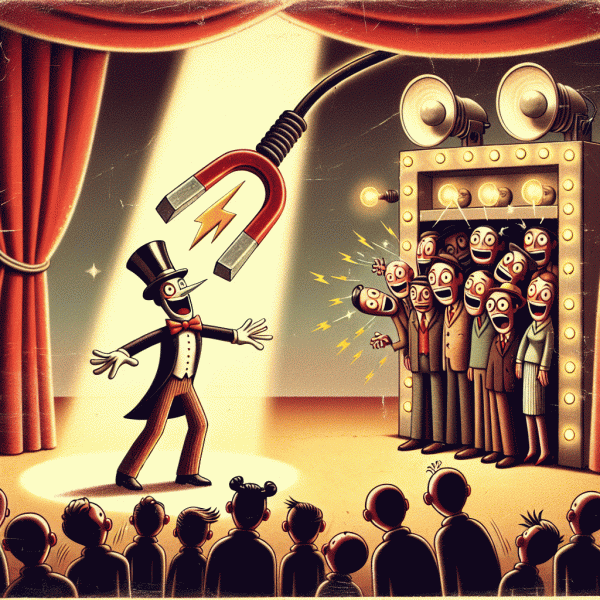
Marketers love applause: likes, impressions, and a dashboard full of green arrows make everyone feel clever. But applause isn't always currency. That flood of reactions can be a glittering veneer hiding poor business outcomes — the classic smoke-and-mirrors routine where attention exists, but value doesn't. When the goal is growth, brand lift, or revenue, it's dangerous to worship metrics that reward clever headlines or cleverer bots instead of real human action. The trick is learning to tell genuine applause from background noise so you spend time and budget where it actually moves the needle.
Consider the common traps: a campaign with amazing click-throughs that delivers almost zero conversions; a post with thousands of reactions but no meaningful comments or shares from target customers; or a content piece with long scroll depth but tiny time-on-page because readers are skimming auto-play videos. Even 'engagement rate' can be gamed by incentives, contests, or pay-to-play boosts. Bots, fake accounts, and incentivized interactions inflate numbers, and platform reporting quirks can paint a rosier picture than reality. In short, flashy surface metrics often reward attention engineering, not business engineering.
So what should replace the illusion? Anchor your measurement to outcomes that matter: qualified leads, activated users, purchase completions, retention rates, and lifetime value. Combine those lagging indicators with leading signals like funnel conversion percentages, micro-conversion continuity (e.g., add-to-cart to checkout), and cohort retention over D1/D7/D30. Add robustness via randomized holdouts or incrementality tests to separate organic uplift from noise. Technically, tighten event instrumentation, standardize UTM tagging, filter suspicious traffic, and reconcile platforms to prevent double-counting. These steps turn vanity into verifiable insight and let you answer the real question: did this campaign create value or just vanity?
Practical checklist: first, define one primary KPI linked to your business objective and declare which metrics are supporting evidence versus distractions. Next, audit dashboards and remove or flag vanity metrics so teams stop optimizing for applause. Build a small set of leading and lagging indicators, run periodic quality checks for bot activity and spammy engagement, and use A/B or holdout tests to measure true lift. Finally, celebrate conversions and retention more loudly than impressions. Be skeptical, measure for impact, and you'll stop being dazzled by fakery and start investing in what actually grows the business.
Boost Tactics That Build Trust (and the Ones That Burn It)
You don't earn trust by shouting the loudest; you earn it by being reliably human. Start with small, obvious actions: answer the customer question before they ask it, own mistakes with a little personality, and make your promises measurable and easy to verify. When product copy reads like a conversation instead of a legal brief, people relax. When delivery dates are exact and respected, your brand becomes predictable in a good way. That predictability is the currency of loyalty—spend it wisely by making your offers transparent, your benefits demonstrable, and your onboarding painless. Most readers will forgive a hiccup if you were honest upfront; they rarely forgive being tricked into one.
Here are three quick, repeatable trust boosters to stitch into any campaign immediately:
- 🆓 Clarity: Use plain language on pricing, features, and limits so customers don't need a decoder ring to understand you.
- 🚀 Delivery: Over-communicate milestones—shipping, activation, expected outcomes—so your audience always knows where they stand.
- 👍 Community: Surface real user stories, ratings, and photos. Social proof that isn't polished into oblivion feels far more believable.
Now for the stuff that burns trust faster than a bad follow-up email: fake scarcity, misleading pricing, hidden cancellations, and overly aggressive chatbots that sound like they're reading from a script. These are the marketing moves that deliver short-term clicks and long-term headaches. Replace them with better options: instead of manufactured FOMO, highlight limited-time value tied to real dates or inventory; instead of burying fees, show totals early and explain what customers get for every dollar. If you must automate, let customers jump to a human with one clear tap. Treat retention like a relationship, not a trap—give people graceful exits and they'll come back more willingly.
Put this into action with three simple experiments this week: add a clear pricing snapshot on your top product page and measure bounce rate; test a single honest customer story against a polished case study and watch conversion lift; let people chat with a human immediately and track NPS for that cohort. Track time-to-first-value, refund rates, and repeat purchase frequency—those metrics tell you whether trust is actually growing. Finally, be proud of learning publicly: publish a concise postmortem when things go wrong, and you'll convert accountability into reputation. Small, consistent trust-building beats flashy hacks every time; make it your operating rhythm and you'll notice the difference in customers who stick around.
Gray Area Alert: Influencers, Incentives, and the FTC
Influencer marketing can feel like a high stakes treasure hunt: shiny metrics, passionate audiences, and the sweet siren call of viral reach. But when incentives are unclear, that treasure turns into quicksand. Marketers and creators who skip the transparency step risk more than a bad look; they invite regulatory scrutiny and audience backlash. Think of disclosure as the GPS for ethical campaigns. It keeps you on course, helps collaborators know the rules of the road, and protects the hard earned trust that actually moves the needle. This is not about killing creativity. It is about labeling the magic so your audience can appreciate both art and honesty.
The Federal Trade Commission cares about one simple thing: material connections matter. If a creator is paid, given free product, or offered steep discounts in exchange for a post, that relationship must be disclosed in a clear and conspicuous way. That means using plain language like Ad, Sponsored, or Paid partnership; it also means placing that language where people will actually see it — the first frame of a video, the first line of a caption, or in a platform supported tag. Burying a disclosure three paragraphs down, in tiny type, or behind an ambiguous hashtag will not pass muster. Actionable rule: put disclosure where your grandma would spot it without squinting.
When budgets are tight and growth targets loom, some teams are tempted by shortcuts. Those shortcuts can look like manufactured engagement, off the books payments to micro creators, or third party offers that promise fast metrics. Links promising instant boosts like buy likes and comments are red flags, not growth hacks. They may inflate vanity metrics now but they erode algorithmic credibility, invite platform penalties, and create a paper trail that regulators can trace back to you. If you are building a brand, aim for sustainable influence: genuine relationships, creative value, and transparent compensation. That combination lasts far longer than a temporary spike.
Want a practical survival kit for the gray area? Start with three simple, bold moves. Contracts: Specify disclosure language, timing, and screenshot delivery before any work begins. Verification: Require influencers to save and share post analytics and a dated screenshot showing the disclosure in place. Documentation: Record gift values and payments in an auditable ledger so every material connection has a paper trail. Bonus rule: when in doubt, over disclose. Clear disclosure is not a performance limiter, it is a credibility amplifier. Do these things and you transform a risky gray area into a clever advantage that protects the brand and respects the people who make your campaigns work.
How to Grow Fast Without Faking It: A Simple Playbook
Fast growth doesn't require smoke, mirrors, or a magic funnel conjured by someone who thinks "authenticity" is a font. If you're tired of the squeaky marketer's toolkit — fake followers, bogus countdowns, and testimonials that smell like copy-paste — there's a better route: a compact playbook that favors worth over window dressing. At its heart the approach is obvious but underestimated: pick a small, measurable promise you can actually keep, make that promise the center of every message, and build tiny systems that prove you deliver. That's the three-line compass that keeps you from sliding into Bamboozle-ville while still letting you move fast.
Start with a razor-sharp micro-offer: one specific result for one specific audience in a clearly defined time. Want examples? Offer a "7-day onboarding that gets your first 3 paying users" or a "one-session content audit that increases open rates by 15%." The trick is to make the outcome measurable and verifiable. Then instrument everything: track cost-per-acquisition, conversion rate on that offer, and a simple NPS-style question after delivery. Don't hide the numbers — publish aggregate results and the stories behind them. Real data + real stories beats clever copy because prospects can sniff a fake metric from a mile away.
Learn fast by running tiny, honest experiments. Replace the temptation to craft viral headlines with a discipline: test one hypothesis per week, gather qualitative feedback from five users within five days, iterate, and repeat. Amplify what works with small-budget distribution — one targeted ad set, one podcast guest slot, one partnership pilot — and measure the exact lift. Use behind-the-scenes content and case studies with screenshots or anonymized metrics as your social proof; showing process is often more convincing than claiming outcomes. Keep the experiments short, the evidence public, and the tweaks continuous.
Finally, scale without selling your soul. Automate repeatable tasks but keep human check-ins for customer success. Replace vanity metrics with a simple growth ledger: retention, referral rate, and revenue per cohort. Hire for curiosity and empathy rather than hustle-for-hustle's-sake energy. If you want three quick actions to start next week: pick one micro-offer, run one one-week experiment to validate it, and ask ten customers two honest questions about value. Do those honestly and you'll grow faster — and sleep better — than any quick-buck scheme ever promised.
Red Flags and Gut Checks: Is Your Next Boost Ethical?
Thinking about throwing ad dollars at a shiny boost can feel like being offered a shortcut with a mysterious map: thrilling, fast, and slightly suspicious. Before you hand over the keys, run a quick gut check. If your stomach does a flip when someone promises overnight virality, that's not paranoia—that's instincts. Ethics in paid amplification isn't just moralizing; it's bookkeeping for reputation. Short-term lifts bought on shaky foundations often convert into long-term headaches: angry customers, platform penalties, and a brand voice that sounds bought, not built. So breathe, slow down, and let practical skepticism be your first campaign manager. Think of every boost as a short-term loan: you'll pay it back through customer trust, or through refunds and fines. Good partners will discuss tradeoffs and fallback plans before you sign.
Start by scanning for obvious red flags. Ask for crystal-clear details about targeting: Who will see the content, where it will run, and why that audience matters. If answers are fuzzy, that's a red flag. Watch for inflated engagement—likes and shares that spike while comments and time-on-content stay flat often indicate fake or low-quality interactions. Beware vendors who avoid sharing creative ownership or raw performance data; opacity is the marketing version of a magician's sleight of hand. Pressure to sign immediately, guarantees of impossible conversion rates, or one-size-fits-all playbooks are more smoke than strategy. Finally, check for hidden tactics: cloaked links, fake testimonials, or third-party lists whose consent you can't verify. Concrete checks help: glance at timestamps—bot-driven activity often cocoons in unnatural bursts—and ask for source breakdowns so you're not buying traffic from click farms or incentivized apps. Any of these should trigger a pause and a deeper audit.
Make a checklist and use it like a bouncer for your budget. Ask four simple questions: Can you show me the targeting report? Can I access the dashboard? Who owns the creative? Can you prove consent for your audience? If the vendor hesitates, test with a small pilot. Require a written KPI agreement with early-evaluation milestones—CPAs, viewability, or verified clicks—not just impressions or vanity metrics. Insist on third-party tracking or cross-checks from your own analytics team. Keep a rollback plan: cap spend, set stop-loss triggers, and schedule a 72-hour review after launch. And don't be shy about asking for references and sample post-campaign datasets. Real partners will welcome scrutiny; bad actors will deflect. Insist on contract terms like a right-to-audit, clear data ownership, termination for deceptive practices, and defined remedies. Run the pilot for at least two conversion cycles and document every handoff so mistakes don't become mystery charges.
Remember that ethics isn't a checkbox you tick and forget; it's a compounding asset. A campaign that lifts revenue but erodes trust isn't growth, it's a loan with a toxic interest rate. Build amplification strategies that pass both the spreadsheet test and the polite-family-dinner test—if you wouldn't explain it without wincing, don't run it. When in doubt, favor transparency, small bets, and measurable proof over bravado. Trust your gut, then verify with data: that combo will keep you from being boosted into a PR crisis and help you scale in ways that feel good on the balance sheet and in the mirror. Make sure procurement and comms teams are aligned so the campaign's short-term gains don't create a long-term trust deficit. An ethics gate in your approval flow can be the difference between a win and a scandal. Keep the lift, lose the grift.