The Couch Isn't the Enemy—Your Plan Is (Here's a Better One)
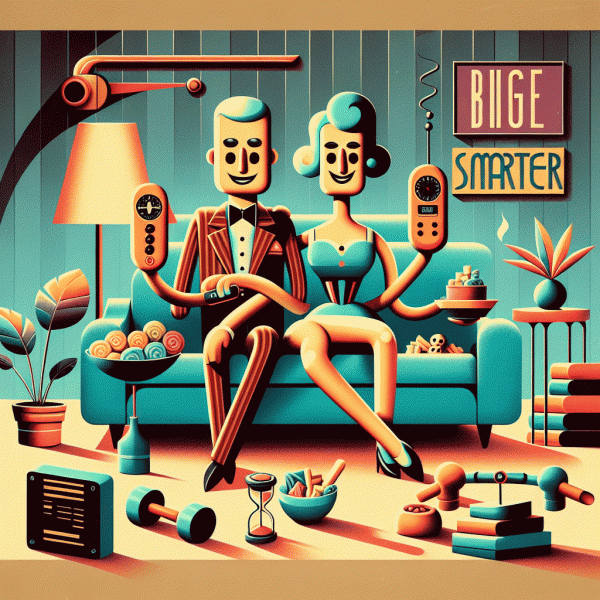
Think of the couch like a stage prop — neutral, not guilty. The real problem is the fuzzy plan: "I'll watch until I feel like stopping" = decision paralysis and shrink-wrapped evenings. Swap that for micro-tasking: decide up front what small wins you'll pair with each episode. That could be a 15-minute declutter, answering five messages, a short walk, or a chapter of a book. The couch becomes the reward seat, not the default coma. When you set intention, you keep momentum and still enjoy shows without the after-guilt.
Use a tiny protocol to make it easy. Before you press play: pick a show, pick how many episodes (one-two-three), pick 1 to 3 micro-tasks with strict time caps, and set a timer. Example: a two-episode bundle — during episode one do a 10-minute email sprint at credits, during episode two fold laundry while you watch subtitles, then take a 5-minute stretch between episodes. Keep the rules simple: Time-box, Pair, Quit. Time-boxing turns leisure into productive leisure; pairing keeps the brain engaged; quitting preserves guilt-free boundaries.
Nudge your environment so choice friction favors your plan. Pre-fill a water bottle, stash a small cloth for quick surface wipes, put a laundry basket by the couch, and toss your phone into Do Not Disturb or a different room with a 25-minute timer. Use a visible list of micro-tasks on a notecard or the Notes app so you don't spend half an episode deciding what to do. Little physical tweaks flip passive scrolling into ritualized micro-sprints that actually feel fun.
Ready for a test run tonight? Copy this 30-minute starter script: choose a one-episode or two-episode limit, write three micro-tasks (10/10/5 minutes), set an episode timer and a break timer, and follow the two-episode bundle rule — if you're done with tasks by the credits of episode two, that's your stop. Afterward, jot one line about how it felt. Tweak timing next time. Over a week you'll find a rhythm that keeps shows special and your to-dos moving. The couch didn't lose; your plan did — give it a smarter job.
Pick-the-Pause Method: Slot 30-Second Tasks Into Every Break
Think of every built in pause as a tiny productivity window. When a title card fades, credits roll, or the app buffers for two beats, slide a 30 second task into that gap. The trick is to choose actions that finish cleanly in half a minute so context switching stays minimal and the story remains intact. Over time those micro-wins add up without turning the couch into a home office.
Keep your task roster lean and repeatable. Pretend you are designing a vending machine of chores: each slot dispenses one tiny win. Here are three reliable choices to cycle through during breaks:
- ⚙️ Sort: Archive or flag three emails to clear visual clutter and lower anxiety.
- 🚀 Stretch: Do a quick standing stretch or shoulder roll to reset posture and energy.
- 🆓 Quickfix: Take a single photo for expenses, reply with a one sentence confirmation, or clear one notification from your lock screen.
Make execution seamless: set a 30 second timer on your phone or use the play/pause button to cue the task. If you want small monetary returns as well as momentum, open a list of short gigs on trusted microtask websites and accept work only during defined commercial breaks; that way you earn without letting the series become background noise. Keep a sticky note or a tiny checklist on your remote so selection is frictionless.
Guard immersion by setting simple rules: no task during cliffhangers, limit to three interruptions per episode, and pick items that finish cleanly. Treat the method like a game: score points for consecutive episodes where all chosen tasks were completed. Try this for a week, tune which micro-actions stick, and celebrate the small cascade of progress. You will binge smarter, collect tiny wins, and still know how your show ends.
What to Tackle While the Recap Rolls: A Micro-Task Menu
Recaps are the universe handing you a built in five minute buffer between plot twists. Instead of doomscrolling while a montage explains who is alive, treat that time like a micro productivity sprint. The trick is to pick tasks that give a clear, visible payoff in under the runtime of the opening credits. You will feel smarter about your evening, the tiny wins will add up, and the next episode will feel earned rather than eaten.
Start with three simple filters before committing: duration, friction, and reward. Duration means anything that reliably fits into a recap, roughly two to seven minutes. Friction means low setup and low cleanup so you do not waste more time than you save. Reward means a satisfying tactile result or mental reset that makes returning to the show feel like a treat. Keep a short list of go to moves so decision fatigue does not eat the minutes.
Here is a no brainer micro menu you can cycle through depending on energy and mojo:
- 🚀 Hydrate: Refill your glass or make a quick tea; the act is refreshingly ceremonial and boosts alertness.
- 🆓 Tidy: Clear a surface or toss three items into the trash; five items create visible momentum.
- 💁 Prep: Line up snacks, set the playlist for the next binge block, or cue subtitles; small prep prevents future interruptions.
Want more granular swaps based on mood? If you are feel energized, do a 60 second stretch routine for neck and shoulders then set a two minute timer to sort three emails. If you are in passive chill mode, do a quick skincare swipe, wash a dish, or lay out clothes for tomorrow. For a worklight mental win, open one document, add a two sentence summary, then close it. Write a one line note to yourself about something to follow up later. Use a visible timer on your phone so the task gets the right shape: short, finite, and guilt free.
Turn this into a ritual and watch your watchlist stop feeling like a time sink. Track which micro tasks make you feel most accomplished and rotate them so the novelty stays alive. Over a week you will reclaim multiple hours without giving up a single episode. Try one recap microtask tonight and notice the weird small pride that follows. Small wins are the secret ingredient to smarter binging.
Distraction-Proof Setup: Timers, Trays, and Tiny Wins
Think of your binge session as a mini production: you're the director, the living room is the set, and every prop should earn its screen time. Start with a physical timer you can hear and see without fishing for your phone—an old-school kitchen timer, a visual egg timer, or a small digital alarm on the coffee table. Set one timer for a focused watch block (try 25–40 minutes depending on episode length) and another short timer that nudges you a minute before credits. That little pre-credits chime prevents autopilot plays and gives you a cue to cash in on a tiny win instead of doom-scrolling through your phone.
Now, build your tray system: one tray is the Essentials Tray (remote, water, cozy blanket), another is the Snack Tray with portioned treats so you aren't grazing all night, and a third, tiny tray is the Action Tray for micro-tasks—pen, sticky note, three-task checklist. When each item has a home, you waste fewer minutes rummaging and more minutes savoring. Use different textures or colors for trays so your brain links them to purpose: soft tray = chill, bright tray = move. The Action Tray sits closer to you than the Snack Tray, because snacks are optional; momentum is not.
Micro-tasks are the secret sauce: pick three tiny, concrete wins you can complete in 2–6 minutes between episodes. Examples: sort five emails, unload one dishwasher shelf, do a 60-second stretch, drop a laundry item in the basket, or jot one idea in a notebook. Write them on a single sticky with checkboxes and place it on the Action Tray. Each completed checkbox is dopamine, and stacking three per episode turns a passive evening into a string of micro-victories. If you're worried about interrupting immersion, schedule the tiny tasks during credits or the brief pause your pre-credits timer gives you; you'll return refreshed and still in control.
Finish with a tiny ritual that signals finished-mode: swap your lamp to a warm bulb, flip a small notecard that says Done, or drop a token into a jar for every completed micro-task. That visual tally is oddly satisfying and trains you to associate binge time with achievement, not guilt. Try this sequence tonight: set timers, prepare trays, write three micro-tasks, press play. In two episodes you'll have snacks managed, a clearer space, and several small wins to brag about—proof that you can relax and make progress at the same time, one perfectly-timed episode at a time.
Avoid the Productivity Cliff: When to Pause, When to Play
There's a sneaky edge to binge-watching that most productivity gurus ignore: the productivity cliff. That's the moment where focus erodes, tasks take twice as long, and the comfort of "just one more episode" turns your to-do list into a crime scene. The trick isn't to banish play — it's to time it. Treat shows as built-in, guilt-free micro-rewards that restore cognitive energy instead of siphoning it. By swapping one long, soul-draining work marathon for smart sprints and tuned-in pauses, you keep momentum without trading your well-being for output. Think of episodes as energy checkpoints: arrive at them intentionally, recharge efficiently, and leave them ready to resume with purpose.
Start by reading the early-warning signs: plodding decision-making, repeated mistakes, or staring at the same line of text for longer than an entire theme song. When those flags pop up, don't doom-scroll — micro-task. Use short, satisfying activities that unstick the brain without creating new obligations. Two-minute resets like tidying your desk, refilling water, or jotting a sentence in your notes create quick cognitive distance. If you're using Netflix as the reward, sync your timing: a focused 40–50 minute work sprint followed by a 20–30 minute episode, or a 25-minute Pomodoro with a 10-minute micro-break. The goal is predictable rhythm: predictable rewards let you work harder in the sprints because you know play awaits.
- 🚀 Reset: Do one tiny, high-impact micro-task during an ad or credits—clear five emails, archive a thread, or write a two-sentence plan for your next session.
- 🐢 Pace: If your output drops or mistakes creep in, pause early; shorter, intentional breaks beat marathon collapse every time.
- 💥 Reward: Reserve one episode as a post-sprint bonus and make it non-negotiable: finish the credits, then get back to a fresh task.
Turn this into a ritual: pick a show that's reliably engaging but not all-consuming for your reward queue, set a visible timer, and keep a one-column micro-task list labeled 'during breaks.' When you hit a pause trigger, choose one item from that list and do only that — no multitasking, no 'I'll just check this one thing' detours. Over time you'll learn the sweet spot between productive stretch and fun break; you'll avoid the cliff because you're building a bridge out of tiny, repeatable wins. Binge smarter by design: work with intention, play with a purpose, and watch both your shows and your productivity climb.