The 15 Minute Hustle: How Micro-Tasks Stack Up by the Hour
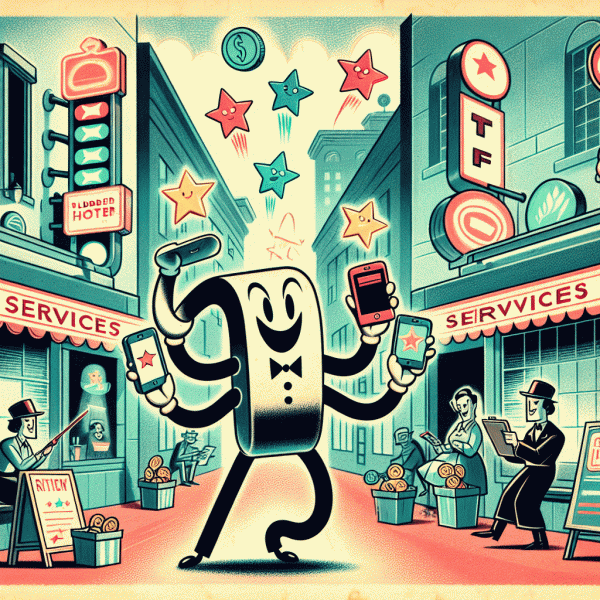
Think of a 15-minute micro-task as a tiny coin in a fountain—by itself it won't pay rent, but drop enough in a disciplined way and the splash adds up. The real question isn't whether a single five-minute survey is worth it; it's whether you can reliably string together four to eight of those tasks into a focused hour and beat procrastination, downtime, and low-acceptance rates. Do the math: a $0.75 task done perfectly in 10–15 minutes is $3–4.50 per hour if you can only do one at a time, but with smart juggling across apps you can be doing parallel prep, quick rejections, and sequential hits that push that number into the $12–20 range.
Stacking is both art and triage. Start each sprint by opening two or three reliable platforms, scanning for high-pay, low-friction gigs, and setting a 15-minute timer so you treat each burst like a mini-shift. Reduce transition costs: have your account logins ready, canned responses or templates for repetitive fields, and a rule to abandon tasks with >30% rejection risk. Also rotate tasks to avoid mental fatigue—switch from surveys to image-tagging to short audio transcriptions so your attention stays fresh. Quick checklist:
- 🚀 Prioritize: Hunt for the highest effective pay first (time estimate x rejection rate matters).
- ⚙️ Automate: Use text expanders and saved answers to shave seconds off every entry.
- 💥 Rotate: Change task types every 30–45 minutes to keep speed high and errors low.
Don't overlook the back-office hacks that separate side-chore hobbyists from steady micro-giggers. Track every minute and cent in a simple spreadsheet to compute your effective hourly rate (total earnings ÷ total time spent, including setup and payment waits). Set cash-out triggers—never chase tiny balances with high withdrawal fees. Use browser extensions to mute bad clients and highlight trusted requesters; join platform communities to learn which HITs (or gigs) are worth your time. If you find a repeatable 15-minute workflow that pays well, double down with referral bonuses, stacking multiple accounts within platform rules, or scripting parts of the process where allowed.
Finally, make a short experiment plan: three 1-hour sessions this week, each focusing on a different app stack, then compare effective pay, fatigue, and payout speed. Treat the best stack like a mini-shift you'd schedule weekly and the worst like a lesson learned. Micro-gigs aren't a magic wand, but with timers, templates, sensible app rotation, and real tracking you can turn 15-minute pockets of time into a meaningful hourly return—or at least fund your coffee habit without wondering where the hours went.
Reviews For Cash: Legit Opportunities vs Time Traps
Getting paid to write reviews sounds like the micro-gig dream: a quick app, a few taps, and cash in your PayPal. In reality there's a spectrum from genuinely useful paid-feedback gigs to ticking-time-bomb tasks that eat hours for pennies. The smart approach is mindset + method: treat review gigs as short projects, not passive income. Before you sign up, eyeball the platform's reputation, how they verify payments, whether they show real user testimonials, and if they have clear payout thresholds and methods. Legit options include user-testing sites that pay for recorded app feedback, research panels that commission qualitative reviews, and marketplaces that hire vetted reviewers — each pays very differently, so expect rates from pocket change to $20+ per task depending on depth and exclusivity.
Spotting time traps is half the battle. Big red flags are platforms that pressure you to post positive reviews, require excessive personal data, lock earnings behind astronomical point schemes, or have no documented payment history. If a service insists you'll only get paid in "credits" with no cash-out proof, walk away. Practical checks: search for payment screenshots, ask about average task duration, and insist on a clear scope for each assignment. Use throwaway accounts and separate browsers when testing new sites so your real app-store identity doesn't get mixed into sketchy activity. When in doubt, do a low-effort test task and measure the true time-to-pay ratio before committing more hours.
Once you've filtered the junk, optimize for earnings. Batch similar reviews to reduce setup time, keep a few review templates you can adapt quickly, and time each task for an honest hourly calculation. Prioritize longer, higher-value gigs like moderated user tests or platform-paid in-depth writeups — they take more effort but often justify your time. Build a niche (games, productivity apps, smart home) so clients recognize you as efficient and skilled, which can unlock repeat gigs at higher rates. Track payments and hours in a simple sheet; if a platform's average hourly is below your minimum target, drop it. Small tweaks — pre-filled intros, a reliable recording setup, or a checklist — compound into meaningful boosts over weeks.
Ethics and safety aren't optional: fake reviews can get you banned or worse, and many companies police review fraud aggressively. Focus on honest, constructive feedback that helps developers and keeps your accounts safe. If you're uncomfortable writing reviews for money, alternatives include paid beta-testing, affiliate partnerships, or offering micro-consulting where you critique apps for a higher fee. Actionable sprint: pick three platforms, do three tasks on each, log time and pay for two weeks, then keep only those that meet your hourly target. With a careful vetting process, smart batching, and a refusal to chase every shiny pay-per-click, review gigs can be a reliable micro-gig slice of your income pie — not the whole bakery.
Taps To Payday: Tools And Apps That Actually Help
Think of your phone as a micro-CEO: cheap to run, always on, and surprisingly ruthless about inefficiency. The apps and tools that matter aren't the ones with the flashiest onboarding videos — they're the ones that shave minutes off your workflow, put cash into your account faster, and protect that fragile thing called margin. This block walks through practical, bite-sized tech picks and habits that turn taps into reliable payouts, with a wink and a checklist: choose marketplaces that match your tempo, automate repetitive steps, and treat payments and taxes like a non-negotiable subscription that powers your hustle instead of draining it.
Start with three core pillars: find the right marketplace, master payments and bookkeeping, and get ruthless about productivity. For marketplaces, test a niche gig platform (writing, design, local odd jobs) plus a high-volume microtask app so slow days don't kill cash flow. For money movement, link an instant-payout option and a simple ledger app to track fees, refunds and tax categories. Then add automation: message templates, saved replies, and scheduled availability so you don't spend hours quoting. Monitor repeat customer rates — they compound faster than new-customer acquisition — and focus upgrades there.
- 🚀 Launch: Create a lean offering — one clear service, two price points — and list it on a platform that matches your rhythm so you can validate quickly.
- ⚙️ Automate: Use canned replies, invoicing templates, and a scheduling app to turn manual hours into set-and-forget income; small automations multiply.
- 💥 Protect: Set aside a fixed percent for taxes and platform fees, and use a lightweight bookkeeping app to avoid surprises when quarterly payments arrive.
Concrete playbook: pick two platforms — one that pays well per task, one that moves volume — and commit eight hours of testing over two weeks. Track conversion (inquiries→paid gigs), average ticket, and payout lag; if a platform has low conversion or crippling fees, drop it. Batch similar tasks (research, messaging, delivery) and price by the block, not the minute. Automate invoices and payment reminders, route payouts to a dedicated account, and use a simple spreadsheet or app to calculate true hourly after fees and taxes. Schedule a weekly 30-minute review to prune tools that aren't pulling their weight.
Micro-gigs rarely become passive overnight, but with a tight app stack and a few disciplined habits they scale from spare-cash to steady side income — and, for some folk, a full-time pivot. Keep the tech minimal, ruthlessly measure the metrics that matter, and reallocate time to the highest-paying tasks. Treat new tools like trial subscriptions: a month of testing, then keep or cancel. Do that and you'll find less busywork, more billable minutes, and a clearer path from taps to payday — one optimized app at a time.
From Side Cash To Rent Money: Realistic Earning Scenarios
Think of micro-gigs like a layered cake: each small slice won't feed you alone, but if you stack the right ones you can reach tasty goals — a weekend coffee fund, a bigger savings cushion, or even a month's rent. Realistically, someone dipping a toe in for fun and casual cash (surveys, cashback apps, a few microtasks) can expect roughly $50–$300 a month if they commit 3–8 hours weekly. That's perfect for niche wish-list buys or covering utilities on slow months. The key here is low time investment, zero expectations of steady scheduling, and treating apps as pocket change rather than a paycheck.
Step up to part-time hustle and the arithmetic changes. Spend 15–25 hours a week combining higher-paying micro-jobs — short freelance gigs, user testing, local delivery during peak hours, or focused task batches — and $400–$1,200 per month becomes doable. That range depends on location, platform fees, and how well you optimize: batch similar tasks, chase peak bonuses, and use multi-app stacking to eliminate dead time between gigs. Track effective hourly rates: if you're making $12/hour gross but losing two hours daily to unpaid wait time, it's time to tweak your schedule or switch apps.
If your aim is rent money, you're entering the aggregation-and-skill phase. Combining several reliable sources — steady micro-freelance clients, a repeatable delivery shift, and premium tests or specialized gig work (transcription, basic design, tutoring) — can produce $1,600–$3,500+ monthly in many cities. In lower-cost regions you can clear rent on the lower end; in major metros you'll need the higher end or a niche skill that commands better rates. The difference between "side cash" and "rent money" often isn't more hours alone, but better task selection, negotiation, and conversion of one-off gigs into recurring income.
Practical moves to accelerate from pocket change to paycheck include: treat it like a tiny business (schedule consistent hours, set weekly targets), diversify across platforms to blunt seasonality, build a repeat-client list where possible, and upgrade one skill that raises per-task pay (e.g., faster typing for transcription, basic spreadsheet skills for data tasks, or a short portfolio for micro-design jobs). Also, optimize workflows: templates for common responses, keyboard macros, and a simple time-tracking sheet will increase effective hourly rates without adding stress.
Finally, don't ignore the boring but crucial bits: taxes, platform fees, and burnout. Set aside about 15–25% of gross for taxes if you're freelancing, factor in transaction or service fees when pricing your time, and schedule real breaks so the hustle stays sustainable. With a clear strategy and small experiments each week, what starts as a casual stream of side cash can be intentionally scaled into reliable rent money — or at least a very comfortable buffer for life's surprise plumbing bills.
Safety Net First: Taxes, Chargebacks, And Burnout
Living off micro-gigs means your income feels like a string of tiny raindrops — cute until your roof leaks. Start by treating taxes like a non-negotiable line item: set aside at least 25–30% of gross earnings for federal, self-employment, and state obligations, and make quarterly estimated payments so you don't get hit with a surprise bill. Open a separate bank account for earnings, funnel platform payouts there, and use simple bookkeeping software or even a spreadsheet to tag income and expenses (subscriptions, software, home office). Keep digital copies of receipts and note mileage. Once you consistently clear a few thousand a month, budget for a bookkeeper or accountant to optimize deductions — they often pay for themselves.
Chargebacks are the stealth gremlins of gig life. Prevent most disputes by being obsessive about clarity: write a one-paragraph scope for every job, request an upfront deposit for custom work, and get client confirmations in-platform so the platform can see agreed terms. Deliverables should be timestamped, watermarked drafts when appropriate, and accompanied by a quick message summarizing what was delivered and what the next step is. If a chargeback comes, assemble the conversation history, proof of delivery, and invoices before you contact the payment processor or platform support. You won't win every fight, but documentation turns many potential losses into recoveries.
Burnout isn't glamorous and it sneaks up faster when gigs are bite-sized and constant. Build cadence: set clear "office hours," batch similar tasks into blocks, and use templates or canned responses to cut repetitive work. Adopt a stop‑loss rule — e.g., if a client asks for more than X rounds of revisions or the effective hourly rate drops below your threshold, say no or renegotiate. Take regular micro-breaks, reserve at least one day a week for non-gig time, and track hours to know your true hourly rate. When you feel stretched, redirect low-value tasks to automation or subcontractors so you can protect high-value time and your sanity.
Practical checklist to sleep better tonight: build a 3‑month emergency fund, auto-save a portion of each payout, pay estimated taxes quarterly, require 30–50% deposits on bespoke projects, keep documentation for every job, and price for the full cost of running your operation (platform fees, taxes, software). Consider short disability or health coverage if you can — it's boring but stabilizing. Small systems — a dedicated bank account, a one‑page contract, automated invoices, and a calendar that blocks "no work" time — do more than big gestures. With those protections in place, your micro-gigs become a steady, resilient income machine rather than a thrilling but fragile hustle.